


Start Here if You Want to Build Muscle Without Feeling Overwhelmed
Walking into a gym for the first time can feel intimidating. There are dumbbells, barbells, resistance machines, kettlebells everywhere — and people who seem to know exactly what they are doing. You might not even know which exercise to start with, how many repetitions to perform, or whether you need protein supplements to build muscle.
As a certified personal trainer with nearly a decade of experience in fitness and independent health and fitness writing, I have learned that beginners don’t need a complicated workout plan. They need to understand a few fundamentals and apply them consistently.

Whether you are 18 or 58, male or female, your starting point should be the same: learn how to train safely, eat to support your goals, and give your body enough time to adapt. Here is how to get started without getting overwhelmed.
🟧 READ MORE
- Why Some People Build Muscle Faster Than Others
- Your Muscles Grow While You Sleep, Not While You Lift
- Can You Build Muscle With Just Bodyweight Exercises?
1. Understand Why You Want to Build Muscle
Muscle building, scientifically also known as muscle hypertrophy, is the process of increasing the size of your muscle fibers in response to appropriate resistance training and recovery.
People pursue weight training for different reasons. Some want a stronger, more muscular physique. Others enjoy lifting weights as a hobby, compete in bodybuilding competitions, or simply because they want to stay strong and independent as they age.
Your reason matters because it helps you establish realistic goals. You don’t need to look like a fitness influencer to benefit from strength training.

Another fact is — Social media has made fitness information more accessible than before, but it has also created unrealistic expectations among content consumers. You see these impressive transformations, advanced workout routines, and supplement recommendations without even knowing how long someone has trained or what happens behind the scenes.
Therefore, your first goal should not be to copy somebody else’s workout routine. But it should be to build a routine that works best according to your present needs.
2. Learn the Basic Science Behind Weight Training (Terminologies)
As a newbie, you actually don’t need a degree in exercise science to start lifting weights. However, understanding a few basic terms makes your first few weeks in the gym much easier.
- Workout Plan: A planned training session consisting of exercises designed to achieve a particular goal.
- Repetition (reps): One complete performance of an exercise. For example, lowering (eccentric) and raising (concentric) a dumbbell during a biceps curl counts as one rep.
- Set: A group of repetitions performed before resting. Example: In the first set, you did 10 repetitions of dumbbell curls, followed by a rest period of 90 seconds, and continued with 3 more sets. Total sets – 4, Total repetitions – 40.
- Progressive overload: Gradually increasing the challenge placed on your muscles as you become stronger. You might lift slightly heavier weights, perform additional repetitions, or improve your technique and control. Example: Successfully breaking a PR of 200 lbs deadlift (ORM) with 220 lbs.
- Muscle protein synthesis: The process your body uses to build new muscle proteins. Resistance training stimulates this process, while dietary protein supplies the amino acids needed to support muscle repair and growth.
When you lift weights, your muscles experience mechanical tension. With sufficient training, nutrition, and recovery, your body adapts by building stronger, potentially larger muscles.
This is why doing the same easy workout indefinitely may eventually produce limited progress. Your training needs to become appropriately challenging as your ability improves.
But don’t rush to lift heavier weights every session. Learn proper technique first.
3. Start With a Simple, Repeatable Workout
Beginners often make the silly mistake of trying to train every muscle with multiple exercises from day one. You don’t need a complicated bodybuilding split to make progress.
Start with two or three full-body resistance-training sessions per week, allowing recovery time between sessions. A beginner routine might include:
- Squats, leg curls or leg presses for your lower body.
- Chest presses, machine flyes, push-ups or cable pushdowns for your chest and triceps.
- Pull-ups, lat pulldowns or assisted rows for your back.
- Hip hinges, such as a properly taught Romanian deadlift, for your hips and hamstrings.
- Shoulder presses, when appropriate for your ability and mobility.
- Simple core exercises to improve trunk strength.
Begin with manageable loads, controlled repetitions, and around one to three sets per exercise. The exact amount depends on your experience, fitness, and ability to recover.

Rest between sets, and finish each repetition with good technique. You should feel challenged without sacrificing control or experiencing sharp pain.
You should also keep a training log. Record the exercises, weights, sets, and repetitions you complete. Over time, this helps you recognize progress instead of guessing whether your routine is working.
Want more practical training advice without the confusing fitness jargon? Follow Health Vitality Trends on Facebook for straightforward tips on strength training, mobility, nutrition, and everyday fitness.
4. Eat for Muscle Growth, Not Just for General Health
A nutritious diet is essential for overall health, but building muscle requires you to pay attention to your energy and protein intake.
Calories matter
The overall calories that you eat in a day provide the energy your body needs to function, train, and recover. If you consistently eat too little, gaining muscle can become more difficult.
A modest calorie surplus can help support muscle growth, particularly for people who are already relatively lean. However, beginners who carry more body fat may be able to gain muscle without deliberately eating extra calories, especially when starting resistance training.
The goal isn’t to eat as much as possible. It’s to provide enough energy to train effectively without unnecessarily increasing body fat.

Protein supplies the building blocks
Protein provides amino acids that your body uses to repair and build muscle tissue.
For healthy adults who regularly perform resistance training, approximately 1.4 to 2.0 grams of protein per kilogram of body weight per day is a useful evidence-based range. Beginners can usually start near the lower end and adjust according to their goals, diet, and training demands.
For example: someone weighing 154 pounds (70 kg) might aim for roughly 98 to 140 grams protein daily.
You can obtain protein from eggs, dairy products, fish, poultry, lean meat, soy, beans, and lentils. Distributing protein across meals is a practical way to meet your daily target.
Protein powder can help you when food alone doesn’t provide enough protein or when convenience matters. But it isn’t mandatory, and taking more than you need won’t automatically build additional muscle.
Don’t neglect carbohydrates, fats, and micronutrients
Carbohydrates help to fuel demanding or strenuous workouts and replenish muscle glycogen, your body’s stored carbohydrate supply. Healthy fats support normal hormonal function and help your body absorb fat-soluble vitamins.
Fruits, vegetables, whole grains, nuts, seeds, and other nutrient-rich foods supply vitamins and minerals that support normal body functions and recovery.

And remember: Adequate hydration and consistent sleep are part of the process, too. Most adults should aim for seven to nine hours of sleep each night.
🟧 READ MORE
- I’m a Personal Trainer — Here’s Why Yoga Can Be Useful Even if You Already Lift Weights
- The Regular Dead Bug Too Easy? I’m a Personal Trainer — Here’s How to Progress the Exercise
- How to Know If Your Recovery Routine Is Actually Working
5. Do Beginners Need Creatine, BCAAs, or Other Supplements?
You can walk into a supplement store or browse fitness content online, and you might think muscle growth depends on a long list of powders and capsules.
Well, It doesn’t.
Creatine monohydrate is one of the best-studied sports supplements. It can improve performance during repeated high-intensity efforts and support strength and muscle gains when combined with resistance training. Healthy adults who choose to use it commonly take 3 to 5 grams daily. Loading phases are optional, not necessary.
On the other hand, Branched-chain amino acid (BCAA) supplements are generally unnecessary if you already consume enough high-quality protein. Protein-rich foods and complete protein supplements provide BCAAs alongside other essential amino acids needed for muscle protein synthesis.

Other supplements should be considered according to an actual need, not because an influencer recommends them.
If you are new to lifting, spend your first several weeks establishing your training routine, improving your technique, eating adequately, and sleeping consistently. Supplements are optional additions, not the foundation.
If you have a medical condition, take medication, or have concerns about kidney health, discuss supplementation with a qualified healthcare professional before starting.
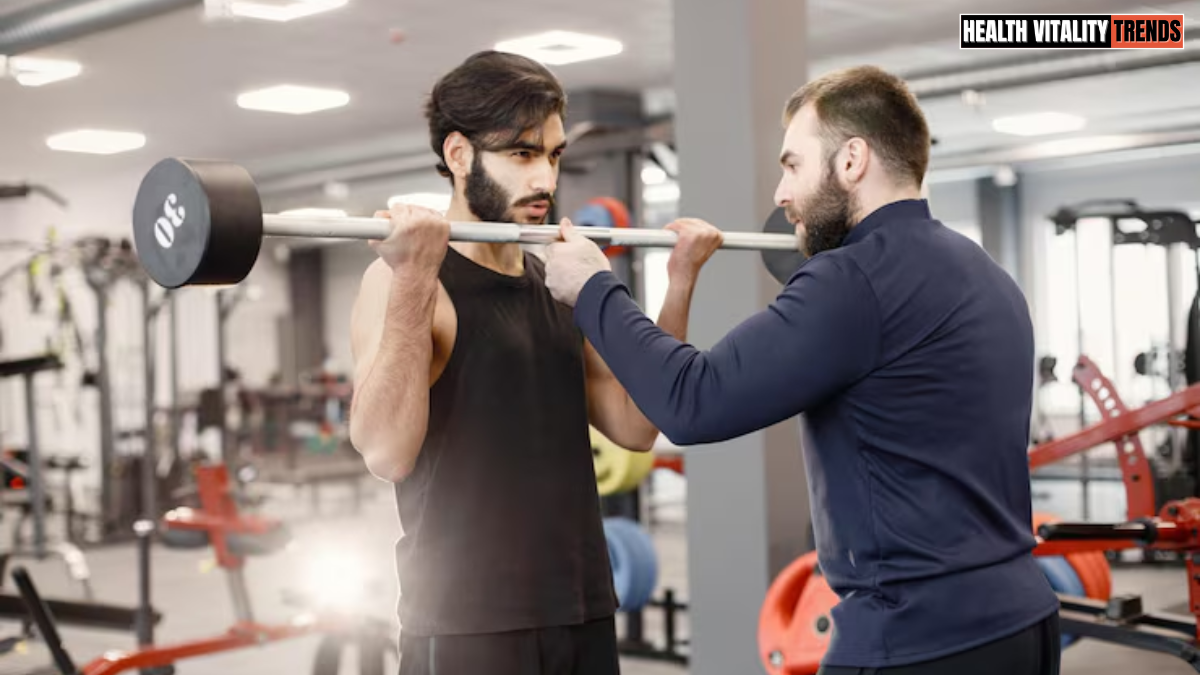
6. Why Hiring a Personal Trainer Can Be a Smart First Step
You can learn a tremendous amount about fitness from online videos, articles, and educational channels. I write about these subjects myself. But learning what an exercise is and performing it correctly on the first go are two different things.
A qualified personal trainer can assess your starting ability, teach exercise technique, adjust movements to your needs, and help you select appropriate weights. They can also identify common mistakes and help you progress without attempting too much too soon.
This guidance can be particularly valuable if you have never trained before, feel uncomfortable in a gym, or are returning to exercise after a long break.

A trainer cannot guarantee that you will avoid injuries, but good instruction and sensible programming can help reduce preventable risks.
You don’t necessarily need to hire someone indefinitely. Even a few introductory sessions can help you learn the fundamentals and become more confident training independently.
Always choose a trainer with a recognized certification, practical experience, and an approach that prioritizes your goals and safety rather than selling unnecessary products.
7. Give Yourself Time to See Results
Muscle building is not a seven-day challenge. Your early progress may come from learning movements, improving coordination, and becoming stronger before noticeable changes in muscle size appear.
Stay consistent for several months rather than judging your results after a handful of workouts. Track your strength, exercise technique, energy levels, and physical changes over time.
Your progress will depend on factors such as training experience, genetics, age, nutrition, sleep, and consistency. Men and women can both build muscle using the same fundamental principles, although average differences in hormones and body composition can influence the rate and extent of muscle growth.
As you age, resistance training remains valuable, but exercise selection, recovery, and progression may need to reflect your individual abilities and health.

The Bottom Line
If you want to build muscle without feeling overwhelmed, start by learning the basics rather than chasing advanced routines or buying every supplement you see online.
Train consistently, master proper technique, eat enough protein and overall nutrition, sleep well, and gradually challenge yourself as you become stronger. Seek professional guidance when you need it, and remember that progress doesn’t require perfection.
Want short daily fitness tips and practical training advice to help you stay consistent? Join the Health Vitality Trends WhatsApp Channel. Get simple guidance on strength training, nutrition, mobility, and healthy lifestyle habits without having to sort through endless fitness advice online.
Your first step doesn’t need to be complicated. It just needs to be a step you can repeat tomorrow
Editor’s Note: This content is for informational and educational purposes only and is not intended to diagnose, treat, or cure any medical condition. Always consult your physician or a qualified personal trainer before starting any workout or nutrition program.





1 Comment