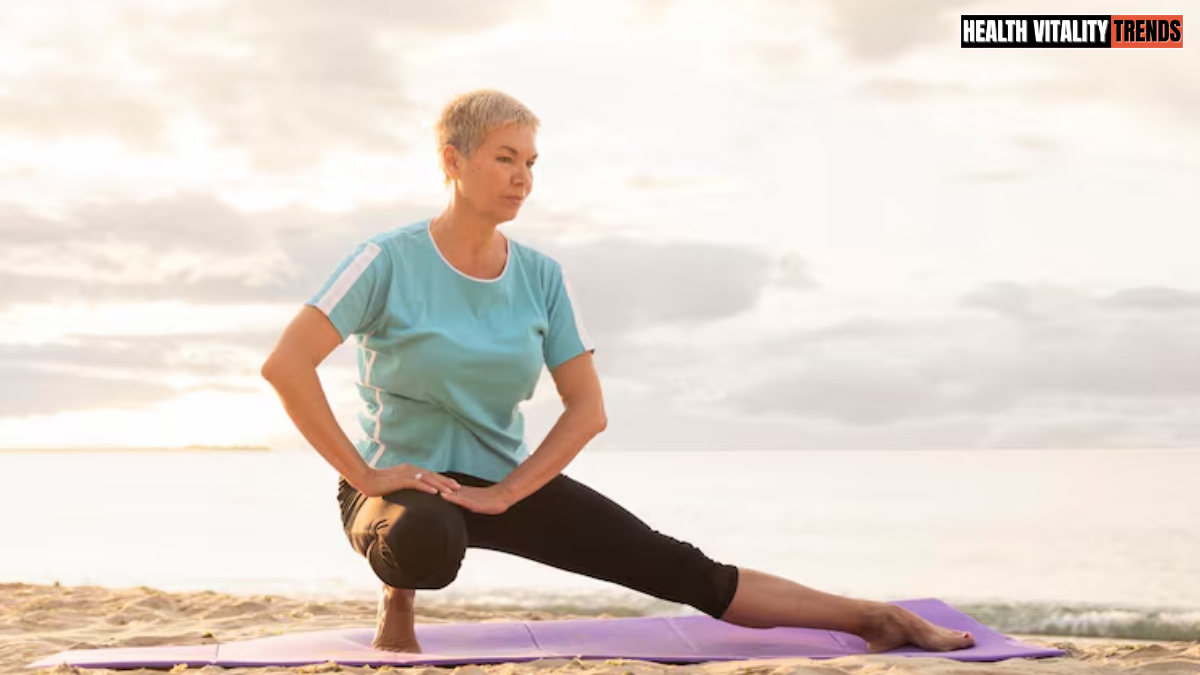
Over 60 and Want to Stay Mobile? I’m a Personal Trainer — Try These Gentle Yoga Movements
Getting older does not mean you have to stop moving — it may mean that moving regularly becomes even more important.
If you are over 60 and notice that your body feels stiffer than it used to, simple mobility exercises can be a practical way to keep practicing everyday movements.
As a personal trainer, I often remind people that you do not need to perform difficult yoga poses to benefit from gentle movement. The goal is not to become extremely flexible. It is to maintain comfortable movement, balance, coordination, and confidence in your body.
Here are five gentle yoga-inspired movements to try.

🟧 READ MORE
- This Simple Mobility Exercise Takes Less Than 2 Minutes
- Want to Start Yoga at Home? I’m a Personal Trainer — Here’s a Simple Routine for Beginners
- The Beginner Yoga Mistake That Can Make Practice More Difficult
1. Seated Cat-Cow
This is a simple way to move your spine without getting down onto the floor.
How to do it:
- Sit tall on a sturdy chair with both feet on the floor.
- Place your hands comfortably on your thighs.
- Slowly round your back and gently lower your chin.
- Then gently lift your chest and allow your back to extend comfortably.
- Repeat slowly for 6 to 10 repetitions.
2. Seated Side Stretch
This movement gently encourages movement through your sides and upper body.
How to do it:
- Sit tall with both feet firmly on the floor.
- Raise one arm overhead if comfortable.
- Gently lean toward the opposite side.
- Hold for a few slow breaths.
- Return to the center and switch sides.
Avoid forcing the stretch.
3. Supported Standing Forward Fold
A chair can provide support while you practice a gentle hip-hinge movement.
How to do it:
- Stand facing a sturdy chair.
- Place both hands on the chair for support.
- Slowly walk your feet backward.
- Gently hinge forward at your hips.
- Keep a slight bend in your knees and move only as far as feels comfortable.
4. Supported Tree Pose
Balance can be practiced safely by keeping a wall or chair nearby.
How to do it:
- Stand beside a sturdy chair or wall.
- Keep one hand lightly on the support.
- Shift your weight onto one foot.
- Place the opposite foot against your ankle or lower leg.
- Hold briefly, then switch sides.
For more practical mobility exercises and simple fitness guidance, follow our Facebook Page for regular training tips you can adapt to your own ability.
🟧 READ MORE
- Can You Do Dead Bugs With Diastasis Recti? What to Know Before Adding Them to Your Core Routine
- 5 Yoga Exercises That Can Help Improve Stability After 50
- This 10-Minute Morning Yoga Flow Helps Wake Up Stiff Muscles
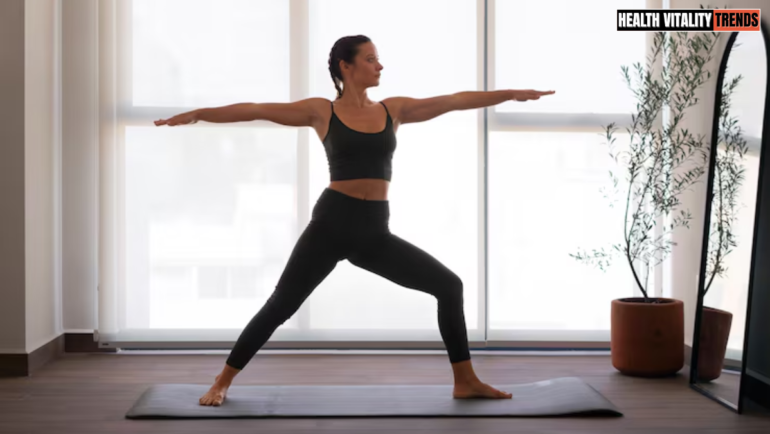
5. Supported Warrior II
This standing movement can help you practice lower-body control and balance.
How to do it:
- Stand near a wall or chair for support.
- Step your feet comfortably apart.
- Turn one foot outward.
- Bend the front knee slightly while keeping your torso upright.
- Hold for a few breaths before switching sides.
Start Slowly and Stay Consistent
You do not need a long yoga session to start moving more.
Try these movements for a few minutes and pay attention to how your body feels. Move slowly, breathe normally, and use support whenever needed.
As a personal trainer, I would always prioritize control and comfort over trying to achieve a deeper stretch.
If you experience pain, dizziness, or feel unsteady, stop the exercise. If you have a medical condition or concerns about starting a new exercise routine, seek advice from an appropriate healthcare professional.
The Bottom Line
Staying mobile after 60 does not require complicated workouts. Gentle, regular movement can help you continue practicing the strength, balance, and mobility needed for everyday life.
Start where you are and let consistency do the work.
Want short, practical fitness tips and training advice every day? Join our WhatsApp Community for simple guidance on strength, mobility, balance, nutrition, and healthier habits.
Editor’s Note: This content is for informational and educational purposes only and is not intended to diagnose, treat, or cure any medical condition. Always consult your physician or a qualified personal trainer before starting any workout or nutrition program.