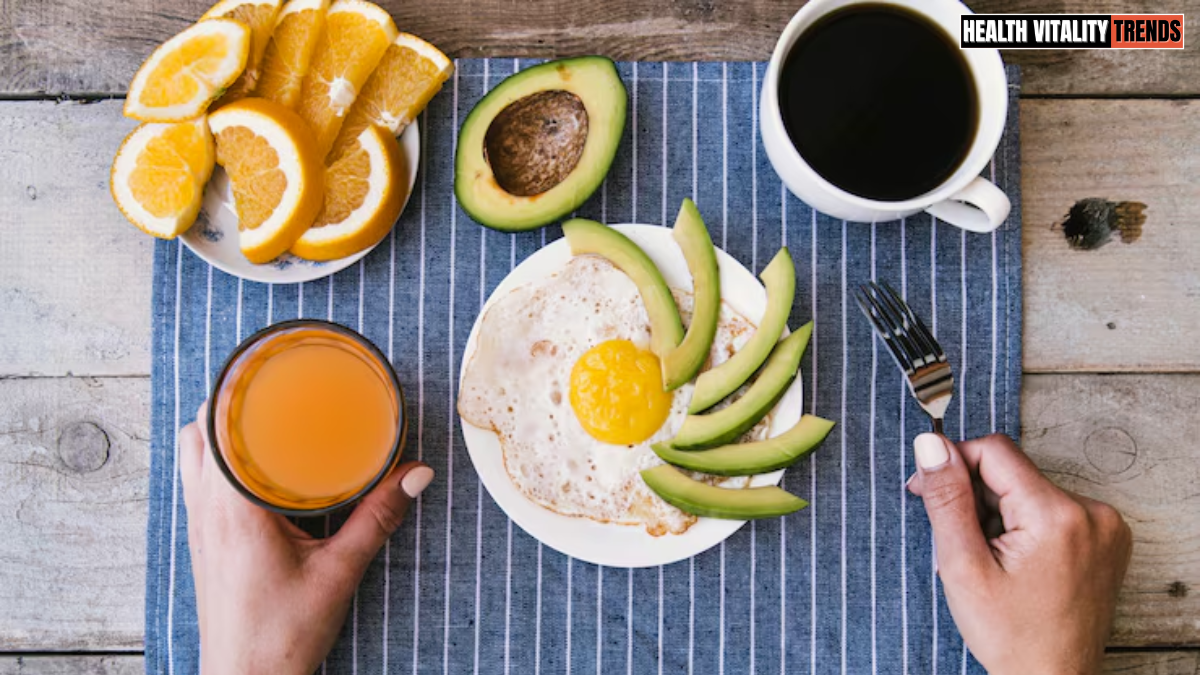
The Breakfast Habit Fitness Experts Recommend for Better Energy
Are you a person who eats a big breakfast yet feels hungry, tired, or distracted before lunchtime? As a personal trainer, I recommend that you look beyond the number of calories on your food plate and focus on how you can combine all macronutrients – carbohydrates, protein, and healthy fats as well.
According to nutrition expert Dr. David S. Ludwig — the quality of carbohydrates and the overall composition of a meal can influence hunger as well as blood sugar regulation. Hence, instead of relying on a carbohydrate-heavy breakfast alone like waffles, pancakes, bagels, corn flakes…etc. try to build a meal plate that has all important macronutrients and micronutrients.

🟧 READ MORE
- Personal Trainers Recommend These High-Protein Breakfast Foods for Building Muscle
- Why Muscle Health Is Becoming More Important As We Age
- Doctor Shares 3 Muscle-Building Supplements Men Over 30 Shouldn’t Ignore
The Simple Breakfast Formula for Lasting Energy
1. Choose fiber-rich carbohydrates.
Carbohydrates for breakfast, like oatmeal, quinoa, and other whole grains, provide long-lasting energy, while fiber in them helps to support better digestion and slow glucose absorption. The best carbohydrates are those that are minimally processed.
2. Add 20–30 grams of protein per meal.
Proteins are known as the building blocks of muscles, which helps you to maintain, build and repair muscle fibers in the body. Foods like eggs, chicken breast, greek yogurt, and cottage cheese on your breakfast plate can help you feel satisfied for longer periods. However, your individual protein needs may vary.
3. Include healthy fats.
Don’t forget to include healthy fats as well. Add high fat sources like — chia seeds, sunflower seeds, all types of nuts & dry fruits or avocado. All these beneficial fats, and combining them with protein and fiber can make a breakfast more complete and satisfying.
For example — Whenever you have an oatmeal breakfast, next time top it with plain Greek yogurt, chia seeds, and berries. You’ll get carbohydrates, protein, fiber, and healthy fats in one convenient meal.
Follow our Facebook page for more practical nutrition tips that fit into your everyday routine.
🟧 READ MORE
- The Daily Habit That Could Be Making Your Sciatica Worse
- The Yoga Stretch That Feels Amazing After Hours of Sitting
- The Truth About Fasted Cardio for Fat Loss in Your 30s

The Bottom Line
You need to start to understand that you don’t need to eat an enormous breakfast to maintain your energy. Simply start having a quality breakfast by choosing quality food sources and a balanced meal instead of adding more food to your plate.
A balanced breakfast can help to manage hunger and provide substantial nourishment, although energy levels also depend upon sleep, hydration, activity, and overall diet.
Join our WhatsApp community for short daily fitness tips and training advice to help you make smarter food choices and build healthier habits.
Editor’s Note: This content is for informational and educational purposes only and is not intended to diagnose, treat, or cure any medical condition. Always consult your physician or a qualified personal trainer before starting any workout or nutrition program.