Muscle Growth vs Weight Loss: Which Should Beginners Prioritize?
If you are new to the gym, one of the first questions you may ask yourself is: Should I lose weight first, or should I focus on building muscle?
The answer depends on where you are starting and what you want to achieve. But as a personal trainer, I often see beginners make the mistake of thinking they must choose one goal and completely ignore the other.
For many beginners, the smarter approach is not always extreme bulking or aggressive dieting. It is often about building sustainable habits while allowing your training to improve your body composition over time.
🟧 READ MORE
- Muscle Building vs Fat Loss — Can You Really Do Both at the Same Time?
- 9 Signs You’re Gaining Muscle and Losing Fat at the Same Time
- The Truth About Fasted Cardio for Fat Loss in Your 30s

When Weight Loss May Be the Priority
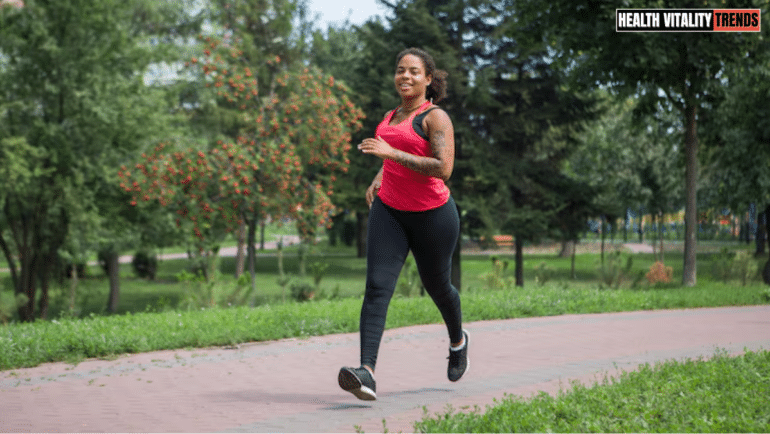
If your main goal is to reduce a significant amount of excess body fat, creating a moderate calorie deficit may be an appropriate starting point.
But that does not mean your workouts should consist only of cardio.
Strength training can help you maintain or build muscle while losing fat, especially if you are new to resistance training. Getting enough protein and avoiding overly aggressive dieting can also support your training and muscle retention.
The goal should be to lose weight at a sustainable pace rather than trying to make the scale drop as quickly as possible.
When Muscle Growth May Be the Priority
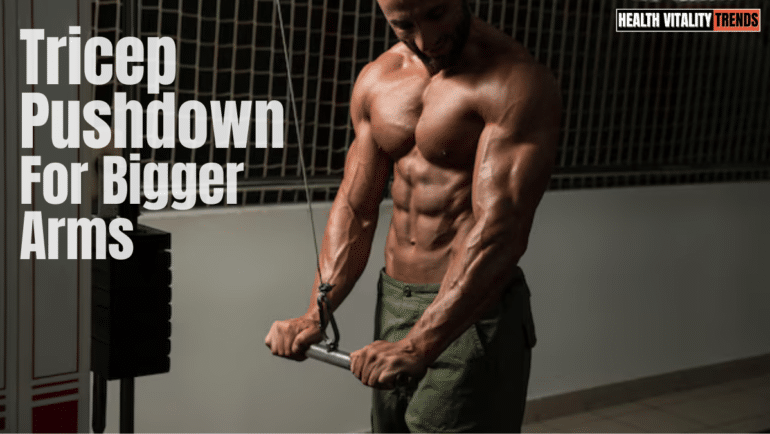
If you are relatively lean and your main goal is to become stronger or add muscle, focusing on resistance training and eating enough to support progress may make more sense.
You do not necessarily need a massive calorie surplus. A gradual approach, combined with progressive training, can help you build muscle while limiting unnecessary fat gain.
As a personal trainer, I often remind beginners that the first few months of consistent training can be a valuable learning phase. You are improving exercise technique, learning how to train with effort, and discovering what routine you can realistically maintain.

What About Doing Both?
This is where beginners may have an advantage.
People who are new to resistance training may sometimes gain muscle while losing fat at the same time. This is often referred to as body recomposition.
However, trying to chase two goals does not mean you should constantly change your diet or training plan every week.
Focus on the basics:
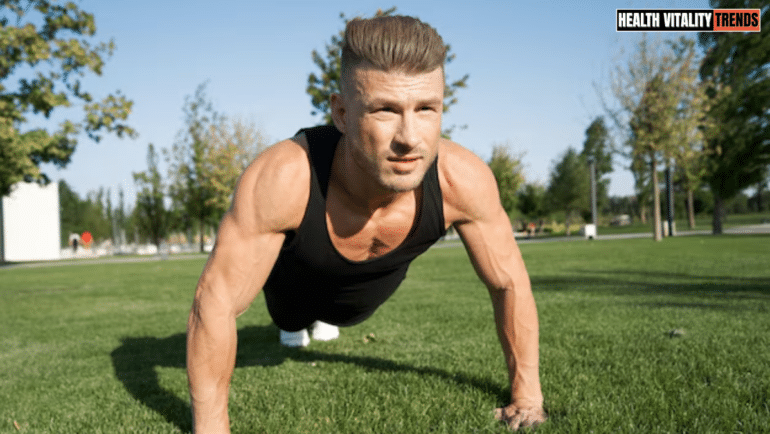
- Strength train consistently
- Eat enough protein
- Choose an appropriate calorie intake for your primary goal
- Stay physically active
- Prioritize sleep and recovery
For more simple explanations about muscle building, fat loss, and beginner training, follow our Facebook Page for practical fitness content without unnecessary confusion.
🟧 READ MORE
- Does Strength Training Burn More Fat Than Cardio? Here’s What Actually Works for Fat Loss
- How Much Protein Can Your Body Use at One Time?
- 6 Muscle-Building Habits Most Gym-Goers Completely Ignore
So, Which Should You Choose?
If you are unsure, start by identifying your primary goal.
Want to significantly reduce body fat? Prioritize a sustainable fat-loss approach while continuing to strength train.
Already relatively lean and want to become bigger and stronger? Focus on building muscle.
And if you are a complete beginner, do not underestimate what consistent strength training, adequate protein, and sensible nutrition can do for your body composition.
The Bottom Line
You do not need to chase a perfect answer from day one. Your priorities can change as your fitness improves.
As a personal trainer, my advice is to avoid extreme approaches and build a foundation you can maintain. The best plan is one that moves you toward your goal while helping you develop habits you can continue for years.
Want short, practical fitness tips and training advice every day? Join our WhatsApp Community for simple guidance on strength, muscle building, fat loss, nutrition, and healthier habits.
Editor’s Note: This content is for informational and educational purposes only and is not intended to diagnose, treat, or cure any medical condition. Always consult your physician or a qualified personal trainer before starting any workout or nutrition program.