Can You Build Muscle With Just Bodyweight Exercises?
You don’t need a gym membership to start building muscle. Push-ups, pull-ups, squats, and dips .. etc, can all challenge your muscles enough to stimulate growth. But if your ultimate goal is to build a well-developed physique, then you also need to understand the limitations of bodyweight training.
As a certified personal trainer with nearly a decade of experience in fitness and training, I’ve learned that the real question isn’t whether bodyweight exercises work. They do. Instead, it’s about whether they offer everything you need to keep building muscle as you become stronger.
The short answer: Yes, you can build muscle with bodyweight exercises. But weight training generally offers more flexibility for targeting individual muscles and progressively increasing resistance.

🟧 READ MORE
- Why Some People Build Muscle Faster Than Others
- Your Muscles Grow While You Sleep, Not While You Lift
- Does Smoking Affect Muscle Recovery?
How Do Bodyweight Exercises Build Muscle?
Muscle growth, or hypertrophy, occurs when resistance training stimulates muscle fibers and the body adapts to the training by building more muscle tissue during recovery.
Bodyweight exercises create this stimulus by making your muscles work against your own body weight. During a push-up, for example, your chest, triceps, and shoulders work together to move and stabilize your body.
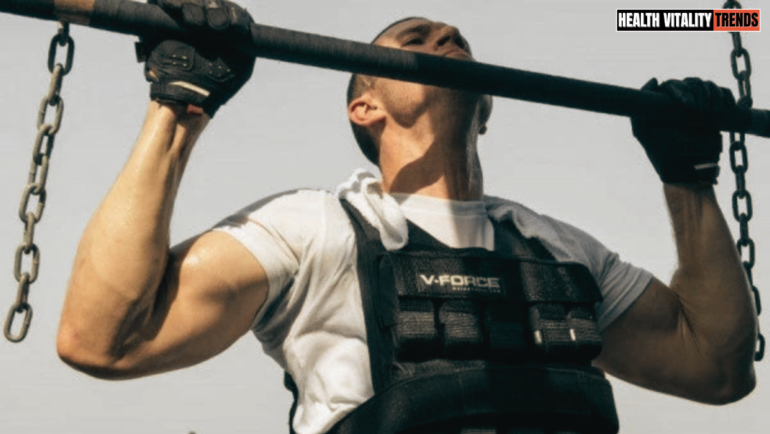
The same principle applies to squats, chin-ups, and dips. When you challenge your muscles sufficiently, perform enough hard sets & repetitions, and gradually increase the difficulty, you can stimulate muscle growth.
Research supports this. A study published in the Journal of Exercise Science & Fitness found that low-load resistance training and high-load resistance training produced similar muscle growth when sets were performed to volitional failure in the studied conditions.[1]
That means you don’t necessarily need heavy weights to build muscle every time. Instead, you need sufficient resistance, consistent training, and a way to keep challenging your muscles over time.

Bodyweight Exercises vs. Weight Training: What’s the Difference?
The biggest difference is — how easily you can control weight resistance and target specific muscles.
With bodyweight training, exercises such as push-ups and squats develop strength, muscular endurance, coordination, and movement control.[3] You can make them harder with variations, slower repetitions, pauses, and additional range of motion.
However, progression can become inconvenient. Once regular push-ups become easy, you may need to move to decline push-ups, weighted push-ups, or more challenging variations to continue progressing.
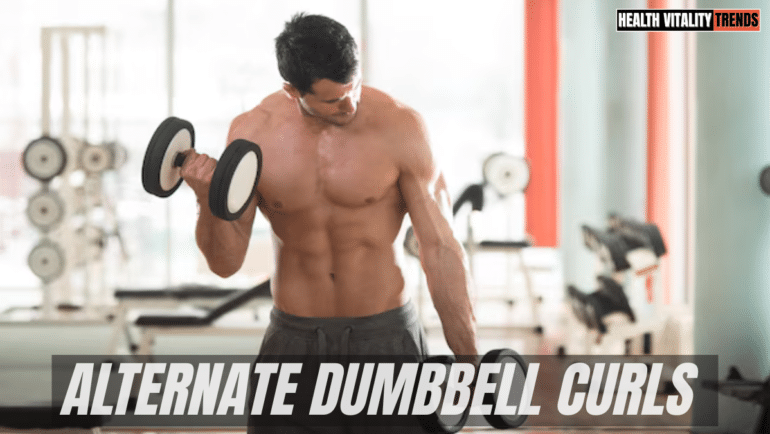
Weight training, on the other hand, makes this process simpler. At an instant, you can increase a dumbbell’s weight, adjust a machine, or add resistance to a cable exercise in small increments.
It also gives you more options for isolating individual muscles.
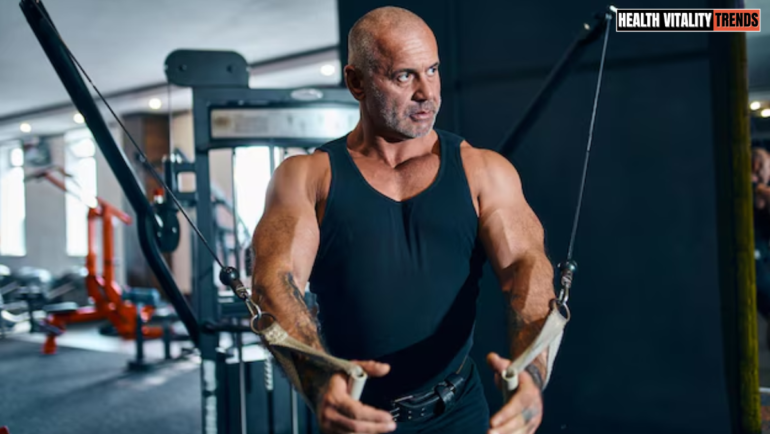
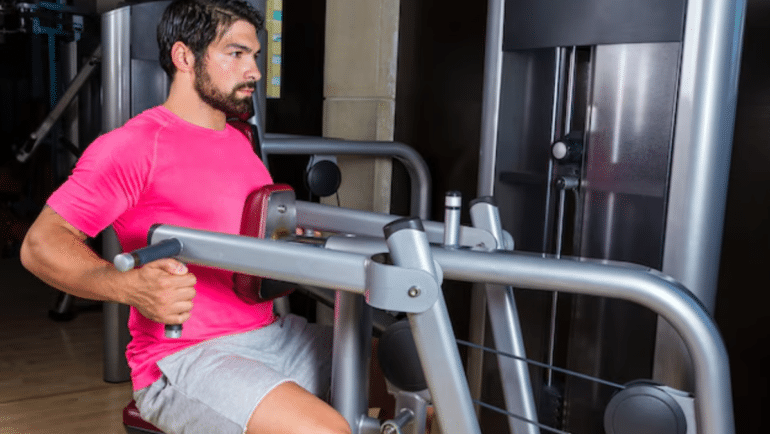
Want to train your rear deltoids? Try reverse flyes or face pulls. Want to build horseshoe triceps? Do more Cable pushdowns and skull crushers. To train your middle back, machine rows can help you focus on the muscles responsible for pulling your shoulder blades back.
Indeed, bodyweight exercises can train these areas too — but the right exercise selection and progression may require more creativity.
Follow our Facebook page for practical fitness advice, training tips, and simple explanations that help you make smarter decisions about your workouts.
🟧 READ MORE
- Broccoli Won’t Build Muscle Alone, But It Still Deserves a Place on Your Plate
- Electrolytes vs Water: When Do Active People Actually Need Electrolytes?
- The Breakfast Habit Fitness Experts Recommend for Better Energy
When Should You Use Bodyweight Training?
If you are entirely a freshman to fitness, then bodyweight exercises are an excellent place to start.
Before beginning to exercise with weighted exercises, learn to control your body through a comfortable range of motion. Practice push-ups, bodyweight squats, assisted pull-ups, and planks. These movements help you to develop coordination, stability, and an understanding of basic exercise technique.
This strong foundation can make your transition to weight training smoother. You’ll have more practice controlling your posture, coordinating different muscle groups, and moving deliberately instead of simply lifting heavier loads.
But there’s an important distinction: bodyweight training isn’t a mandatory prerequisite for lifting weights. Beginners can start resistance training with appropriately selected dumbbells, machines, or barbells under suitable instruction.
And bodyweight exercises remain useful long after the beginner stage. They are convenient for home workouts, travel, warm-ups, and even maintaining strength when gym equipment isn’t available.

Does Weight Training Help More With Sports Performance?
For many athletes, adding weight training side-by-side with sport-specific exercises develops strength and power that can support sport-specific practice.
A boxer or kickboxer can use resistance training to develop strength alongside technical training. Baseball players may benefit from appropriately programmed strength work to support throwing performance. Basketball players can train strength and power for jumping, sprinting, and changing direction. Javelin throwers can use resistance training to develop the strength and power needed for throwing.
However, stronger muscles alone don’t guarantee better sporting performance. Technique, speed, coordination, mobility, and sport-specific practice remain essential.
Still, bodyweight exercises play a prominent role in athletic development, particularly for trunk control, relative strength, and movement skills. The best approach combines the right tools for the athlete’s needs.
Don’t Forget Right Nutrition and Recovery
Whether you train at home or in a gym, your muscles need adequate nutrition and recovery to grow.
Consume sufficient protein to support muscle repair and adaptation. For most healthy adults who train regularly, around 1.4–2.0 grams of protein per kilogram of body weight per day is a useful evidence-based range.[2]
You also need enough total calories. A modest calorie surplus can help support muscle gain, although beginners and some people returning to training may build muscle without one. Sleep, rest between sessions, and consistent training matter just as much.

The Bottom Line
Bodyweight exercises can absolutely build muscle, especially when you’re starting out. But weight training usually makes it more easier to increase resistance gradually and target particular muscles as your goals become more specific.
You don’t have to choose one forever. Build your movement skills with bodyweight exercises, add weights when you need more resistance, and use both to create a sustainable training routine.
Want simple fitness tips and practical training advice delivered regularly? Join the Health Vitality Trends WhatsApp community for short daily insights on strength training, nutrition, mobility, and healthier living.
References
1. Kikuchi, N., & Nakazato, K. (2017). Low-load bench press and push-up induce similar muscle hypertrophy and strength gain. Journal of Exercise Science & Fitness, 15(1), 37–42. Read the study. This small, eight-week study found similar muscle growth in the chest, triceps, and biceps under the specific training conditions studied.
2. Jäger, R., et al. (2017). International Society of Sports Nutrition Position Stand: Protein and Exercise. Journal of the International Society of Sports Nutrition, 14, 20. Read the position stand. Supports the recommended daily protein range for exercising adults.
3. Currier, B. S., et al. (2026). Resistance Training Prescription for Muscle Function, Hypertrophy, and Physical Performance in Healthy Adults: An Overview of Reviews. Medicine & Science in Sports & Exercise, 58(4), 851–872. Read the review. This comprehensive review of 137 systematic reviews supports progressive resistance training for muscle growth, strength, and physical performance.
Editorial note: The evidence does not establish that weight training universally builds more muscle than bodyweight training. The article’s strongest, defensible argument is that weights offer greater convenience for progressive overload and targeted muscle development, while appropriately challenging bodyweight exercises can also produce substantial hypertrophy.
Editor’s Note: This content is for informational and educational purposes only and is not intended to diagnose, treat, or cure any medical condition. Always consult your physician or a qualified personal trainer before starting any workout or nutrition program.