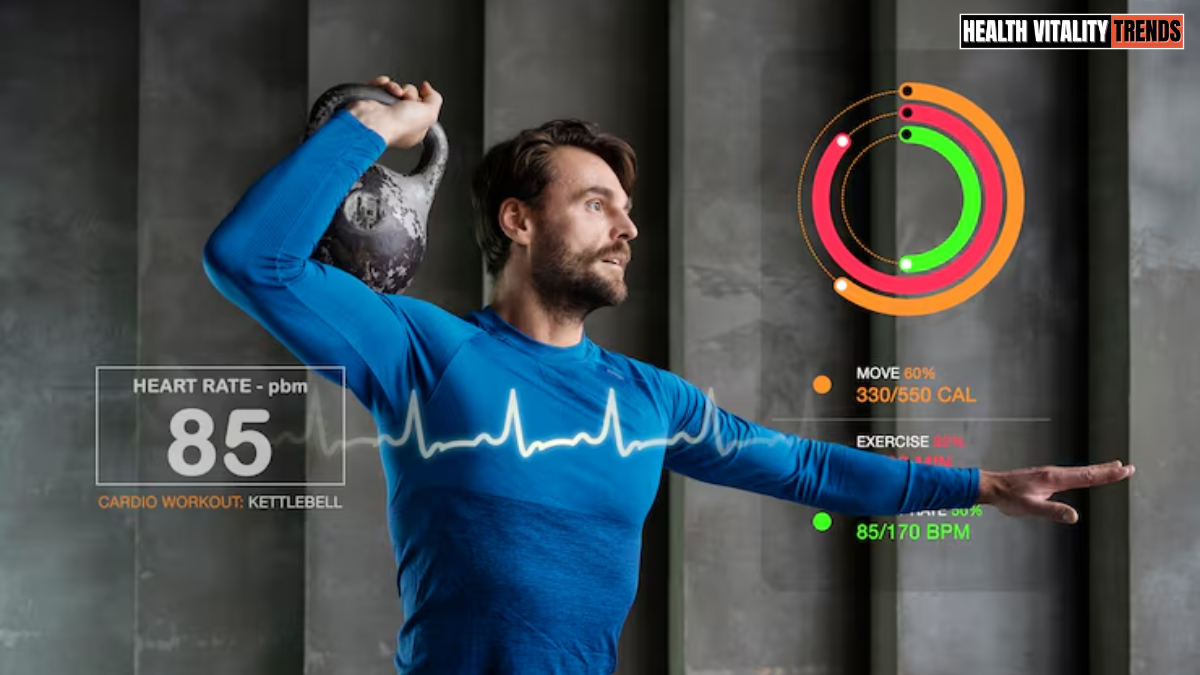
How to Know If Your Recovery Routine Is Actually Working
If you are a fitness geek, then you are someone who follows a workout routine consistently, eats healthy foods, never misses a meal, and tries to get enough sleep — yet you feel exhausted, struggle to increase your weights, or lose motivation to exercise. So, how do you know whether your body is recovering properly between workouts?
As a certified personal trainer with nearly a decade of experience in fitness training and content writing, I’ve learned that progress isn’t just about how hard you train. It’s also about how well your body responds to that training.

The best way to tell that your recovery routine is working is when your performance gradually improves, your energy remains stable, and you can handle your training workload without accumulating excessive fatigue.
Recovery depends on several factors, including nutrition, sleep, hydration, and how you manage exercise intensity. Here are 10 practical indicators you can track to understand whether your recovery is keeping pace with your training.
🟧 READ MORE
- Your Muscles Grow While You Sleep, Not While You Lift
- Does Smoking Affect Muscle Recovery?
- The Evening Stretch Routine That Helps Your Body Recover Faster
10 Signs Your Recovery Routine Is Working
1. Your Resting Heart Rate Is Stable
Resting heart rate (RHR) is the number of times your heart beats per minute while you’re resting. You can measure it in the morning before getting out of bed or check with your wearable’s overnight data.
As cardiovascular fitness improves, your resting heart rate may gradually decrease. A stable reading around your usual baseline can also be reassuring.
Real-life example: If you usually wake up with a resting heart rate of 65 beats per minute but repeatedly record 75, consider whether poor sleep, dehydration, illness, or accumulated training stress could explain the change. One unusual reading isn’t proof of inadequate recovery; look for patterns.

2. Your Heart Rate Variability Is Stable
Heart rate variability (HRV) measures the small differences in time between consecutive heartbeats. Wearables often use overnight measurements to estimate how your body is responding to training and other stressors.
A stable or improving HRV trend relative to your personal baseline can be encouraging. However, higher isn’t always better, and HRV alone cannot tell you whether you’re ready to train.
Real-life example: A runner notices that their HRV has remained below their normal range for several mornings while their sleep quality has declined. Instead of immediately attempting another intense interval session, they consider an easier workout and monitor how they feel.
3. Your Heart Rate Recovers More Efficiently
Heart rate recovery (HRR) describes how quickly your heart rate falls after exercise stops or intensity decreases. A faster decline under comparable conditions can indicate improving cardiovascular fitness.
The result depends on exercise intensity, recovery posture, temperature, and how you measure it.
Real-life example: After several weeks of cycling intervals, you now notice that your heart rate falls more quickly during the same easy recovery period. That can suggest improved cardiovascular conditioning, although it doesn’t independently confirm complete recovery from your previous workout.

4. You Can Progressively Overload Your Workouts
Progressive overload means — gradually increasing the challenge (weight) placed on your body. You might lift slightly heavier weights, perform another repetition, or complete the same running pace with less perceived effort.
These improvements suggest that your body is adapting to training, provided your technique remains sound.
Real-life example: You previously performed three sets of eight dumbbell presses with 20-pound weights. After several weeks, you can complete the same workout with better control and less perceived effort. That’s a useful sign of progress.
5. You Pass the Warm-Up Test
Feeling slightly stiff or sluggish at the beginning of a workout isn’t necessarily a problem. A warm-up gradually increases blood flow, raises muscle temperature, and prepares your body for more demanding movement.
What matters is how you feel as the session progresses.
Real-life example: A lifter feels stiff during the first few minutes but moves comfortably after a warm-up and handles their planned weights normally. That’s reassuring. If the weights still feel unusually heavy and coordination is poor, consider reducing the session’s intensity.
6. Your Performance Doesn’t Keep Declining
An occasional bad workout is normal. But repeatedly losing strength, slowing down at familiar running paces, or struggling with previously manageable sessions may indicate that your training load exceeds your ability to recover.
Real-life example: A runner’s usual training pace becomes consistently harder over two weeks, while their sleep deteriorates and fatigue increases. Rather than adding more intervals, they review their training volume, nutrition, and rest days.
A short plateau doesn’t automatically mean poor recovery. Look for persistent trends alongside other symptoms.

7. You Wake Up Feeling Restored
Most adults need at least seven hours of sleep nightly, and many do well with seven to nine hours. Sleep supports tissue repair, learning, hormonal regulation, and the processes involved in adapting to exercise.
But time in bed isn’t the only consideration. Sleep continuity and how refreshed you feel also matter.
Real-life example: Two gym-goers both sleep eight hours. One wakes up refreshed and trains normally; the other wakes repeatedly, feels groggy, and struggles to concentrate. The second person may need to address sleep quality rather than simply adding more gym sessions.
🟧 READ MORE
- The Breakfast Habit Fitness Experts Recommend for Better Energy
- Why Some People Build Muscle Faster Than Others
- 10 Strength Exercises That Become More Important After 50
8. Muscle Soreness Resolves Without Lingering
Delayed-onset muscle soreness (DOMS) is the tenderness and stiffness that often develops after unfamiliar or demanding exercise. It commonly begins within 12–24 hours, peaks around 24–72 hours, and gradually subsides.
Some soreness is normal, particularly after new exercises. It isn’t necessary to become sore to build muscle.
Real-life example: After introducing squats, a beginner experiences mild thigh soreness for two days that gradually fades. That’s common. Severe soreness, worsening pain, or soreness that persists beyond several days deserves attention, especially if it affects normal movement.
9. Your Mood and Motivation Remain Steady
Recovery affects more than muscles. Persistent fatigue can influence concentration, mood, motivation, and your ability to handle everyday stress.
Feeling excited before every workout isn’t realistic, but a sustained change in how you feel can provide useful information.
Real-life example: A calisthenics enthusiast who normally enjoys practicing pull-ups suddenly feels irritable, mentally foggy, and reluctant to train for several days. Combined with declining performance, these changes suggest it’s worth reviewing sleep, workload, and nutrition.
Follow our Facebook page for more practical fitness advice, including how to recognize training mistakes and build routines that fit real life.

10. Your Hydration and Appetite Are Normal
Fluid balance and adequate food intake support exercise performance and recovery. Pale-yellow urine is often a practical hydration indicator, although vitamins, medications, and other factors can affect urine color.
A reasonably stable appetite and enough food to meet your training demands are also important.
Real-life example: After a long run, an athlete replaces lost fluids, eats a meal containing carbohydrates and protein, and feels ready to resume normal activities. Another athlete repeatedly skips meals, remains thirsty, and feels depleted. The second athlete may need to improve fluid and energy intake.
Appetite varies naturally, so don’t treat one meal or one urine-color reading as a definitive recovery test.
How to Use These Signs Together
You don’t need an expensive smartwatch or a complicated spreadsheet to assess recovery. Start by recording your sleep, morning energy, workout performance, and any persistent soreness. If you use a wearable, compare resting heart rate and HRV with your own baseline rather than another person’s numbers.
For example — imagine a gym-goer who has increased their training frequency from three to six days a week. Their lifts stop improving, their resting heart rate rises, and they begin waking up tired. Those combined changes suggest they should review their workload, recovery days, food intake, and sleep rather than pushing harder.
A lighter training week, adequate nutrition, and better sleep may help. Persistent fatigue or unusual cardiovascular changes warrant medical advice, particularly when accompanied by symptoms such as chest pain, dizziness, or unusual shortness of breath.

The Bottom Line
Your recovery routine isn’t successful simply because you’re sleeping longer, drinking more water, or taking a rest day. It’s successful when your body can adapt to training while maintaining your health, energy, and everyday function.
Track your performance, pay attention to sleep and mood, and notice whether soreness and fatigue resolve between sessions. No single metric tells the whole story. The most useful signal is the pattern formed by several indicators over time.
Want simple, practical advice to improve your training and recovery? Join the Health Vitality Trends WhatsApp community for short daily fitness tips, workout guidance, and nutrition advice to help you train smarter and stay consistent.
Editor’s Note: This content is for informational and educational purposes only and is not intended to diagnose, treat, or cure any medical condition. Always consult your physician or a qualified personal trainer before starting any workout or nutrition program.