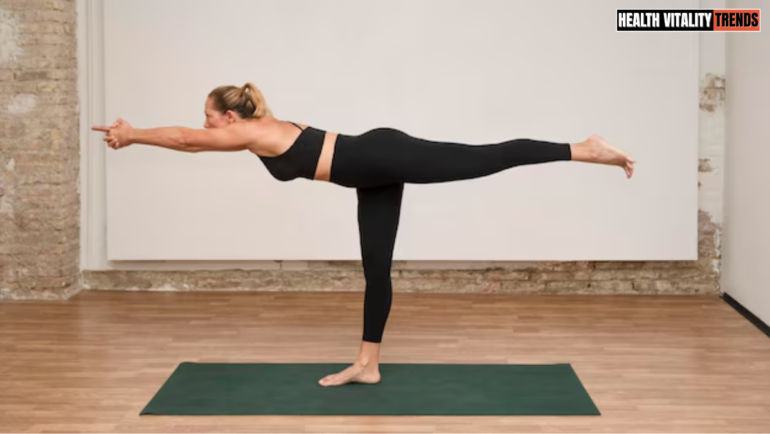
A Fitness Expert Explains How to Turn Your Daily Walk Into a Full-Body Workout
Walking has always been one of the simplest ways to stay active for people of all ages. Moreover, if you are already used to the same 30 to 40-minute walking session every day, you may eventually wonder whether you can get more from it.
As a personal trainer, my answer is YES – in fact, you do not even necessarily need to complicate your walking session.
The one simple way to make a walking session workout more challenging is by adding short bursts of faster movement throughout your walk.
For people who are already comfortable with regular walking, adding short running or sprint intervals can turn an ordinary walk into a much more demanding cardiovascular session.
🟧 READ MORE
- Want Wider Shoulders? Try These 5 Lateral Raise Variations for Your Middle Delts
- This 10-Minute Routine Can Help Strengthen Your Abs and Improve Posture
- Yoga After 40: The Mobility Habit Experts Recommend
How To Add Short Intervals Of Sprints Between Walking
If you already are accustomed to walking 30 to 40 minutes or more, you can start by adding 5 to 6 short intervals of 30-second sprints in between.
Here is a simple approach:
- Start walking. The first 5 to 10 minutes are to warm your body up.
- Increase your pace gradually and maintain it.
- Now, run or sprint as fast as possible for about 20-30 seconds.
- Return to the walking pace for several minutes. Catch your breath, but don’t stop walking.
- Repeat sprinting 5 to 6 times.
- Finish the walking session with several minutes of easy walking.
You do not need to sprint at maximum speed always. In fact, I would recommend that people who are just starting do 2 sprints at most. As your fitness improves, you can gradually increase the sprinting interval.

How Running or Sprinting Between Walking Help?
1. Challenge Your Cardiovascular System
In between walking sessions, changing pace from an easy walk to a faster sprint forces your heart and lungs to work harder.
Over time, this interval-style training can help to improve your cardiovascular fitness levels without requiring you to spend your entire workout running.
2. Increase Workout Intensity
Adding intervals of running or sprinting in between walking sessions makes the physical activity more demanding. Therefore, instead of maintaining the same pace for 40 to 60 minutes, you are asking your body to adjust to different intensities.
3. Support Calorie Expenditure
Higher-intensity sprint intervals generally require more energy than just walking. Consequently, doing it frequently can contribute to overall calorie expenditure, which may support fat loss when combined with an appropriate diet and sustainable calorie deficit.
But donot think of sprinting as a magic fat-burning trick. Instead, your overall daily activity, nutrition, sleep schedule and most importantly, consistency matter far more.
4. Break Up the Monotony
Perhaps the biggest benefit you get by adding sprinting in between your walking session is that it gives you something to progress, like — covering as much distance as possible when sprinting in 30 seconds. Rather than just watching the minutes pass.
For more practical cardio, strength, and conditioning ideas, follow our Facebook page for simple ways to make everyday exercise more effective.
🟧 READ MORE
- Cardiologists Say Simple Walking Habit May Support Better Heart Health
- 6 Low-Impact Exercises That Support Healthy Aging
- Over 60 and Want to Stay Mobile? I’m a Personal Trainer — Try These Gentle Yoga Movements

Don’t Sprint Before You’re Ready
This is where I want you to be careful.
Sprinting creates significantly more impact and demands more from your muscles and joints than in an ordinary walk. Therefore, if you are sedentary, significantly overweight, are already dealing with joint problems, or simply are not habitual of running, then jumping straight into sprinting can cause physical injuries.
Thus, always start with a brisk walk. Then progress to faster walking, followed by short jogging intervals if your body tolerates them well.
Always warm up first and stop if you experience pain, dizziness, chest discomfort, or unusual shortness of breath.
The Bottom Line
Your daily walk does not have to remain exactly the same forever. As a personal trainer, I like the idea of gradually increasing walking intensity rather than adding more time.
Start with a comfortable walk, introduce a few sprint intervals when you’re ready, and gradually build your fitness.
Want short, practical fitness tips and training advice every day? Join our WhatsApp community for simple guidance on cardio, strength, conditioning, mobility, nutrition, and healthier training habits.
Editor’s Note: This content is for informational and educational purposes only and is not intended to diagnose, treat, or cure any medical condition. Always consult your physician or a qualified personal trainer before starting any workout or nutrition program.