4 Functional Fitness Exercises That Support Healthy Movement For Life
Not everyone wants to lift the heaviest weights in the gym or build bigger muscles. And that’s perfectly fine.
As a certified personal trainer, I believe one of the most valuable reasons to exercise is to maintain the physical ability to live independently. Think about getting out of a chair, lifting a heavy grocery bag, pushing open a door, or carrying your suitcase through an airport yourself. These everyday movements require strength, coordination, and stability.

As we age, maintaining those abilities becomes more and more important. The good news? You can train for them with functional exercises.
Functional fitness uses movement patterns that resemble everyday activities. Research published in the European Review of Aging and Physical Activity found that functional training can improve strength, balance, mobility, and daily functioning in older adults.
Here are four exercises worth including in your routine.
🟧 READ MORE
- Fitness Expert Says Men Over 60 Should Prioritize These Strength Exercises
- Your Muscles Grow While You Sleep, Not While You Lift
- Broccoli Won’t Build Muscle Alone, But It Still Deserves a Place on Your Plate
1. The Squat: Practice Getting Up and Sitting Down
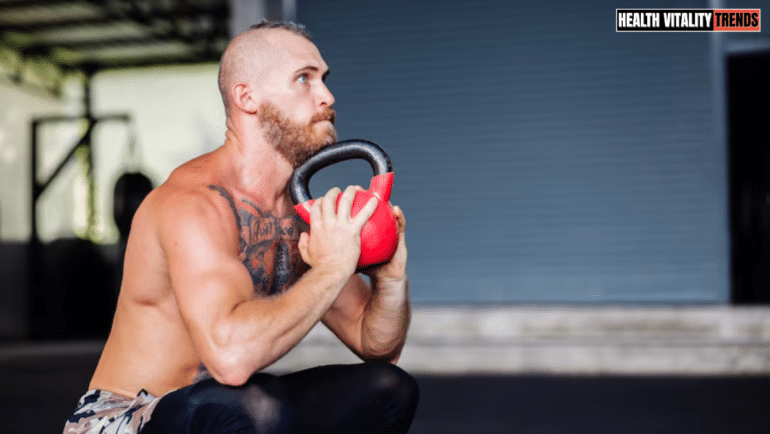
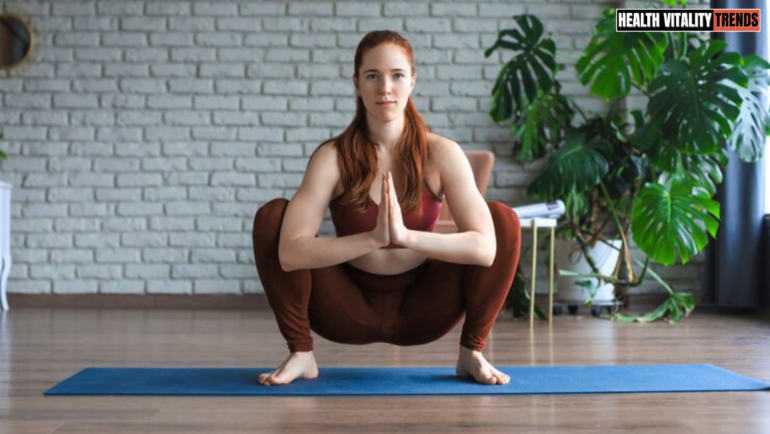
How it helps: Standing up from a chair, climbing stairs, or getting off from a low seat — all these require your legs and hips to produce force. Doing Bodyweight or Goblet Squats can train these muscles through a movement pattern that you use every day.
How to do it:
- On a plain floor, stand with your feet approximately at shoulder-width apart.
- Now push your hips back and bend your knees and lower yourself downwards as if sitting in a chair.
- Keep your feet flat and your chest comfortably upright all the time.
- Lower down as far as you can while maintaining controlled form and within a comfortable range of motion.
- At the right moment, push through your feet to return to standing.
Make it easier: For beginners, start practising with a chair behind you and practise sitting down slowly before standing aga
Make it harder: Want to make the exercise a little harder? Hold a dumbbell against your chest to perform a goblet squat. Increase the weight gradually as your technique improves.
You don’t need to squat deeply to get its benefit. Always choose a range of motion that suits your current mobility and ability, but keep practising for complete range of motion.
2. The Deadlift: Learn to Lift From Your Hips
How it helps: You have been doing these activities all your life — Picking up a box, lifting a laundry basket, or retrieving something heavy from the floor requires your hips, legs, and trunk to work together. Doing deadlifts trains your body to do this physical activity in a more coordinated form.
How to do it:
- On the gym floor, stand with a barbell over the middle of your feet.
- Bend your hips and knees, and grip the bar with a regular thumbs-up grip.
- Keep your back in a comfortable and stable position, but don’t round it.
- Before lifting the weighted bar, brace your trunk and keep the bar close to your body.
- Push through your feet and extend your hips and knees together to stand upright.
- Lower the bar slowly and in control by moving your hips back and bending your knees as the bar passes them.
You can start with a light load and learn the movement from the above demonstration video before adding weight. A qualified trainer can help you to refine your deadlift technique.
The conventional barbell deadlift is demanding, so beginners should not rush to lift heavy. If getting down to the floor is difficult, practice the hip-hinge movement with a dowel or begin with a raised barbell position.
3. The Floor Push-Up: Build Strength for Pushing
How it helps: When you do activities like — Pushing a heavy door, moving a furniture, or getting yourself up from the floor, it can require your chest, shoulders, triceps, and trunk muscles to work together.
The push-up trains these muscles while challenging you to keep your body stable.
How to do it:
- First of all, place your hands on the floor and keep them at a distance slightly wider than shoulder-width.
- Extend your legs behind you and form a straight line from your head to your heels.
- Now, begin to lower (eccentric motion) the upper body by bracing your abdomen and chest toward the floor by bending your elbows slowly.
- Keep your elbows at a comfortable angle rather than flaring them straight out.
- Push (concentric motion) through your hands to return to the starting position.
If you cannot maintain a proper form, begin with your hands elevated on a sturdy bench or on a Smith machine bar. Gradually lower the height as you become stronger.
And remember, functional fitness is about building useful strength, not proving how many difficult repetitions you can perform.
Follow our Facebook page for more practical fitness guidance you can apply outside the gym.
🟧 READ MORE
- This Beginner Yoga Pose Relieves Lower Back Stiffness in Adults Over 50
- Electrolytes vs Water: When Do Active People Actually Need Electrolytes?
- Does Smoking Affect Muscle Recovery?
4. The Farmer’s Carry: Practice Carrying Real-World Loads
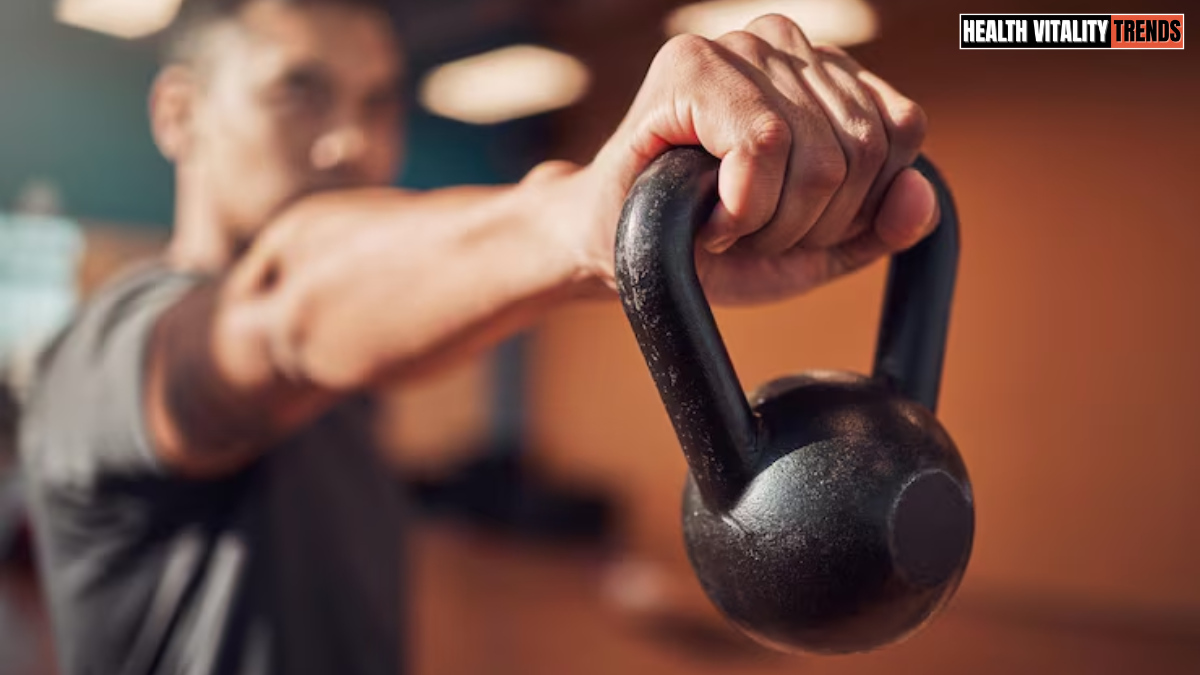
How it helps: Daily movements that you do regularly — Carrying your grocery bags, luggage, or other household items, require you to have a strudy grip strength, trunk stability, and the ability to walk while controlling an external load. The farmer’s carry exactly trains these skills together, but with dumbbells or kettlebells in your hands.
How to do it:
- Have an open area or functional training turf where you can walk for 20 to 30 feet straight.
- Grab dumbbells or kettlebells of equal weight with each hand and keep them beside each foot.
- Come to the starting position of the walking area.
- Start walking straight; always maintain a chest-up and head-up body form.
- Keep your abdomen braced, shoulders relaxed and arms hanging by your sides
- Stop before your grip or posture deteriorates, then lower the weights safely.
You can start to train farmer’s walk with a light weight dumbbell/kettlebell set and walk for 15–30 seconds. Increase the duration or load gradually as your strength improves.
Choose weights that let you walk without leaning to either side, shrugging excessively, or holding your breath.
How Often Should You Train for Functional Fitness?
You don’t need to train everyday or too rigorously. Start with these four exercises twice a week. Allow a proper recovery time between the sessions. Depending on your fitness level, try — 1 to 3 sets of 8 to 12 controlled repetitions for the squat, deadlift, and push-up, and 2 to 4 sets of farmer’s walk.
Adjust the repetitions, weights, and range of motion to your abilities. Stop right away if you experience sharp pain, and seek professional guidance if you have an injury or medical condition that affects exercise.
For adults over 65 and older, the CDC’s physical activity guidelines recommend muscle-strengthening activities at least twice a week, alongside aerobic and balance activities.

These exercises can support strength and everyday physical function, but results vary with training consistency, health, and individual ability. They also don’t replace dedicated balance or aerobic training.
You don’t have to chase bigger muscles or heavier lifts to make exercise worthwhile. Sometimes, the best measure of progress is how confidently you can move through everyday life.
Join our WhatsApp community for short daily fitness tips and practical training advice to help you stay active, strong, and capable at every stage of life.
Editor’s Note: This content is for informational and educational purposes only and is not intended to diagnose, treat, or cure any medical condition. Always consult your physician or a qualified personal trainer before starting any workout or nutrition program.