Protein Quality vs. Quantity: The Hidden Factor Most Diets Ignore
You track your protein intake daily, hit your exercise goal without missing a day, and make sure every meal contains a decent amount of protein. But somehow, you notice that your strength isn’t improving as expected, muscle recovery feels slow, and the physique changes you’re looking for aren’t happening.
What if the problem isn’t how much protein you’re eating, but where you’re getting it from?

As a certified personal trainer with nearly a decade of experience in fitness training and nutrition, I’ve noticed that people often focus heavily on their daily protein numbers while overlooking an equally important factor, which is — the protein quality.
Getting enough protein matters. But your body also needs the right combination of amino acids to use that protein effectively.
🟧 READ MORE
- You Might Be Eating Enough Protein — But Still Missing This Key Nutrient
- Broccoli Won’t Build Muscle Alone, But It Still Deserves a Place on Your Plate
- The Breakfast Habit Fitness Experts Recommend for Better Energy
What Is Protein Quality? Understanding the Amino Acid Puzzle
Protein is made up of smaller building blocks called amino acids. Your body uses these amino acids for muscle repair, tissue maintenance, enzyme production, and several other essential functions.
There are 20 common amino acids, nine of which are classified as essential because your body cannot produce them in sufficient amounts. You must obtain them through food.
This is where protein quality comes into play.
Think of building muscle like constructing a house. You might have hundreds of bricks delivered, but if you’re missing some essential materials, construction becomes difficult.

Similarly, consuming large quantities of protein doesn’t automatically guarantee an ideal supply of essential amino acids.
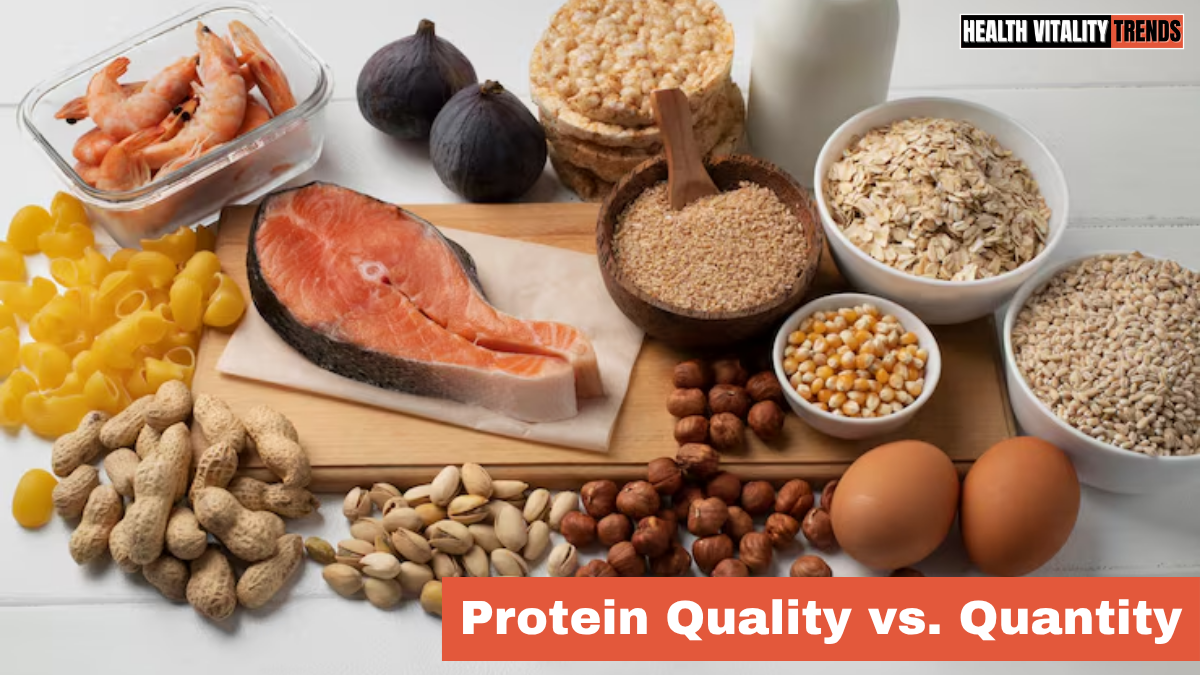
Some foods provide all nine essential amino acids in adequate proportions. These are called complete proteins.
Examples include:
- Eggs, chicken, fish, and meat.
- Milk, Greek yogurt, and other dairy products.
- Soy foods such as tofu and tempeh.
Many plant proteins, including beans, lentils, and grains, have relatively low amounts of one or more essential amino acids. However, combining different plant protein sources throughout the day can help provide a balanced amino acid intake.
And don’t overlook leucine. This essential amino acid plays an important role in stimulating muscle protein synthesis, the process through which your body builds and repairs muscle proteins.
Why Protein Quality Matters Beyond Muscle Building
You don’t have to be a bodybuilder to benefit from good-quality protein.
Whether you’re lifting weights, walking regularly, practising yoga, or simply trying to maintain an active lifestyle, your body constantly needs protein to repair and maintain its tissues.
For people who train for strength, consuming adequate essential amino acids supports muscle protein synthesis followed by exercise. This helps your muscles to adapt to training.
But there’s another important consideration, which is Aging.
As we get older, maintaining muscle mass becomes increasingly important. And age-related muscle loss, known as sarcopenia, can affect strength, mobility, and independence entirely.

Consequently, adequate protein intake, combined with regular resistance training, helps to support muscle maintenance as we age.
Protein also contributes to immune function, enzyme production, and numerous other physiological processes.
If you enjoy practical nutrition and training advice, follow our Facebook page, Health Vitality Trends, where we regularly share fitness insights that go beyond counting calories and tracking macros.
🟧 READ MORE
- How to Stay Active on Your Rest Days Without Burning Out (Plus a Simple Home Yoga Flow)
- Can You Build Muscle Without Spending Hours in the Gym?
- Why Thoracic Mobility Is Important for Healthy Movement
3 Simple Ways to Improve Your Protein Quality Today
You don’t necessarily need expensive supplements or complicated meal plans to improve your protein intake. Start with these three practical adjustments.
1. Include a quality protein source in every main meal.
Try incorporating eggs, Greek yogurt, chicken, fish, milk, or tofu into your meals. Spreading protein intake across the day can help provide your body with a consistent supply of amino acids.
2. Pay attention to leucine-rich foods.
Whey protein, dairy, eggs, chicken, and fish are useful sources of leucine. Including these foods in your diet can help to support muscle protein synthesis, particularly when combined with resistance training.

3. Combine plant protein sources intelligently.
If you follow a plant-based diet, don’t depend on just one protein source. Combine foods such as beans, lentils, broccoli, peas, soy, and whole grains throughout your day to obtain a broader range of essential amino acids.
You don’t necessarily have to combine complementary plant proteins in every single meal. Overall dietary variety matters.
Final Thoughts: Stop Counting Protein Alone
As a personal trainer, my recommendation is simple — Don’t focus exclusively on hitting your daily protein target. Pay attention to the quality, digestibility, and amino acid composition of the foods you’re eating, too.
Protein quantity and quality work together. You need both.
You can also join our WhatsApp community for short daily fitness tips and training advice covering nutrition, strength training, recovery, and healthy living.
Editor’s Note: This content is for informational and educational purposes only and is not intended to diagnose, treat, or cure any medical condition. Always consult your physician or a qualified personal trainer before starting any workout or nutrition program.