Why Looking Jacked Won’t Save You: The Bodyweight Moves That Build True Survival Strength.
Don’t just build a body that looks strong. Build a body that can perform, adapt, and remain capable throughout life.
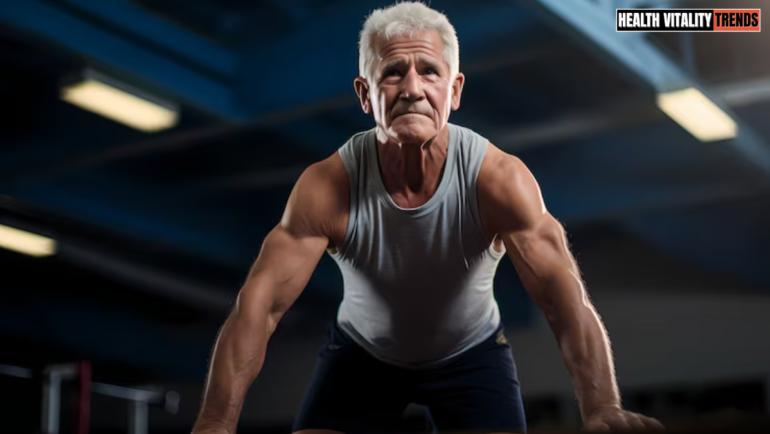
You can have 20-inch biceps, a well-defined chest, broad shoulders, and an impressive physique. But what happens when you have to climb a wall, carry a heavy object over a long distance, sprint to catch something, or pull your own bodyweight over an obstacle?
This is something I’ve thought about quite often during my years working as a personal trainer.
I’ve seen how much attention people give to building an aesthetic physique. And there’s absolutely nothing wrong with wanting to look muscular. But I’ve also learned that looking strong and being physically capable are not necessarily the same thing.
My biggest concern with modern fitness culture is that we’ve become obsessed with how our bodies look rather than what our bodies can actually do.
If your goal is to remain physically capable as you age, I believe it’s time to rethink how you train.
🟧 READ MORE
- Choline — Is Your Diet Missing This Key Recovery Nutrient?
- Protein Quality vs. Quantity: The Hidden Factor Most Diets Ignore
The Fitness Industry Has Made Aesthetics the Ultimate Goal
From bodybuilding’s golden era to today’s social media fitness culture, the industry has increasingly associated physical fitness with muscular appearance.
Scroll through Instagram or YouTube, and you’ll find countless fitness influencers showcasing their physiques, workout routines, supplements, and merchandise. Their popularity often influences ordinary people to follow the same training and nutrition protocols.
But here’s where I disagree.
Fitness is individualistic. Your genetics, age, training experience, recovery capacity, lifestyle, and physical limitations all influence how your body responds to exercise.
What works for a professional bodybuilder won’t necessarily work for someone who spends eight hours sitting at a desk or someone approaching their 60s.
I’ve always believed that fitness should be about developing your physical capabilities, not simply replicating somebody else’s physique.
And there’s another question I want you to consider — Is your muscular body equally capable outside the gym?

Your Body Needs More Than Muscles to Remain Functional
Think about how humans lived thousands of years ago.
Our ancestors walked considerable distances, climbed, carried objects, ran, and performed physically demanding activities to find food and navigate their environment.
Modern life has changed dramatically. We can order groceries, travel by car, work remotely, and complete almost everything without moving much.
Interestingly, human physiology has several adaptations associated with endurance activities. Research published in Nature has discussed how characteristics such as fatigue-resistant muscle fibers and effective heat dissipation may have supported endurance running during human evolution.
I’m not suggesting that everyone should start hunting for food or running 10 miles every morning.
But I do believe we should preserve the physical abilities that make us capable human beings.
For me, being able to run several miles, climb a rope, carry heavy objects, sprint when necessary, and move my body efficiently is more impressive than having 20-inch arms without comparable physical capability.
Muscle size is one measurement of physical development. What you can actually do with that strength is another.
🟧 READ MORE
- If You Are Over 60, Practicing This Essential Balance Exercise Can Protect Your Joints And Mobility
- Dead Bug vs. Plank: Here Is the Exact Core Exercise a Personal Trainer Recommends Above All Else
The 9 Physical Abilities I Would Prioritize for Long-Term Fitness
If I were designing a training program specifically around longevity, functional strength, and physical independence, these are some of the movements and abilities I would prioritize.
You don’t need to master all of them immediately. Start with your current fitness level and progressively develop each ability.
1. Pull-ups and Chin-ups
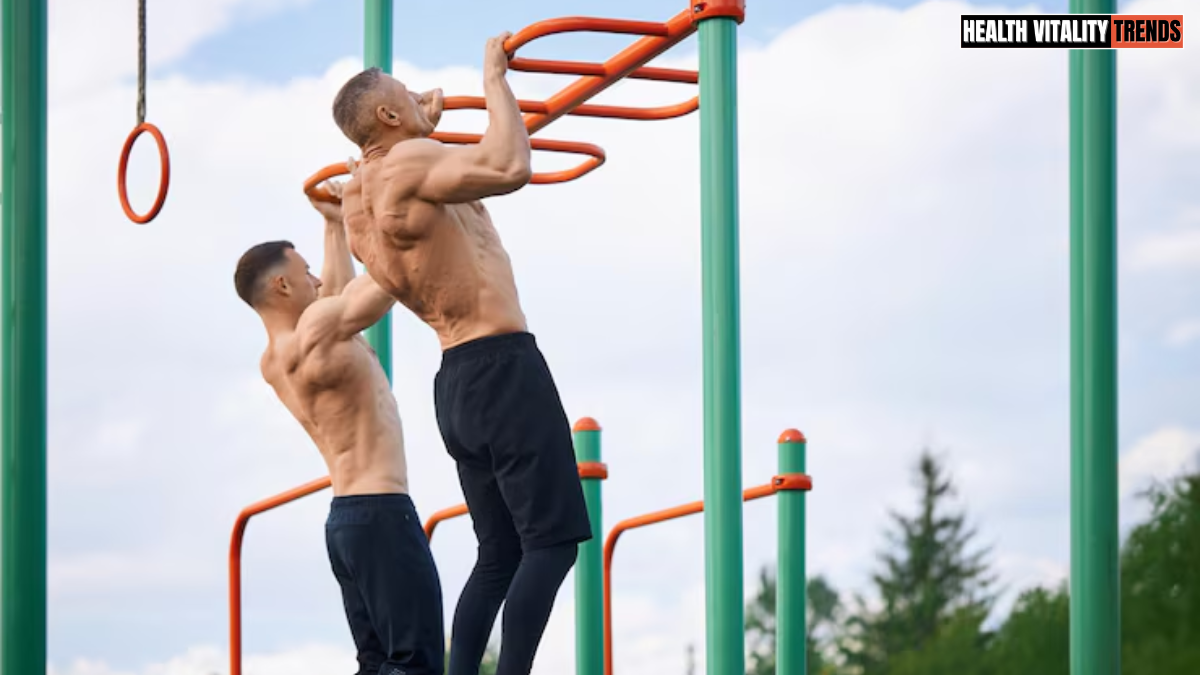
I consider pull-ups and chin-ups essential for developing upper-body pulling strength. They strengthen your back, biceps, forearms, and grip while teaching you to control your entire bodyweight. Once you can perform controlled repetitions, introduce weighted pull-ups to progressively increase resistance and develop greater pulling strength.
2. Farmer’s Walk
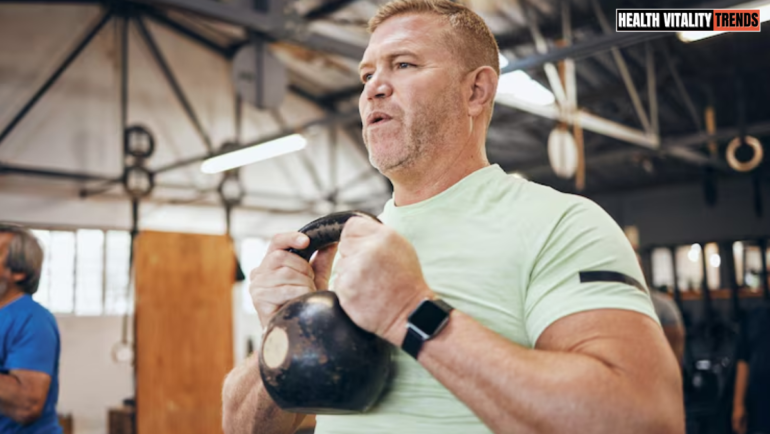
This is one of my favorite exercises for developing practical strength. Pick up two heavy dumbbells or kettlebells and walk while maintaining an upright posture. It develops grip strength, core stability, shoulder control, and muscular endurance. More importantly, it prepares your body for carrying heavy objects in everyday situations.
3. Sprinting
I want you to maintain the ability to accelerate quickly rather than become comfortable with only slow-paced exercise. Sprinting develops explosive power, coordination, and cardiovascular fitness. Start with short accelerations at a manageable intensity and gradually increase your speed and distance as your conditioning improves.
4. Long-Distance Running
Running develops cardiovascular endurance and your ability to sustain physical activity over extended periods. I would gradually build your running distance rather than immediately target several miles. If you want an additional challenge, introduce weighted walking or rucking to develop endurance while carrying an external load.
5. Rope Climbing
Rope climbing is an excellent exercise for developing grip strength, upper-body pulling power, core stability, and coordination. Unlike conventional gym exercises, it requires you to coordinate multiple muscle groups to lift your entire bodyweight. Start with assisted rope climbs or seated rope pulls before progressing to full climbs.
6. Pushing and Pulling Heavy Objects
Think about pushing a weighted sled across a training surface or pulling it backward using a rope. These movements develop your legs, hips, core, and upper-body strength. I particularly like them because they teach your body to produce force through coordinated, full-body movements rather than isolated muscle contractions.
7. Climbing Over Obstacles
Climbing over a low wall or navigating obstacles requires coordination, mobility, strength, and body control. I particularly like this type of movement because it challenges multiple physical abilities simultaneously.
🟧 READ MORE
- Can You Build Muscle Without Spending Hours in the Gym?
- You Can Maintain Your Physique Forever in Your 30s When These Daily Habits Back Up Your Workout
8. Muscle-ups
A muscle-up combines a powerful pull-up with a transition into a dip above the bar. It requires considerable upper-body strength, grip control, coordination, and body awareness. I consider it an advanced movement, so develop your pull-ups and dips first before attempting complete repetitions.
9. Burpees
Burpees combine squatting, lowering your body toward the floor, pushing yourself up, and returning to standing. They challenge muscular endurance, coordination, and cardiovascular fitness simultaneously. I particularly like them when designing conditioning circuits because they require very little equipment and can be performed almost anywhere.
These are not exercises I would prescribe identically to everyone. But they represent the physical capabilities I want people to develop: pulling, carrying, running, climbing, pushing, and moving their bodies efficiently.
And if you enjoy practical fitness advice that goes beyond simply building bigger muscles, follow our Facebook page. I regularly share training ideas, exercise breakdowns, and ways to develop a more capable body.
Why I Would Still Keep Weight Training in My Program
Now, I don’t want you to misunderstand my argument.
I’m not against weight training. In fact, I believe combining bodyweight movements with traditional resistance training is one of the smartest approaches to developing complete physical fitness.
Here are five compound exercises I would continue incorporating into my routine:
Deadlifts
I wouldn’t eliminate deadlifts from my training program. They develop your posterior chain, particularly your glutes, hamstrings, and spinal erectors, while strengthening your ability to lift objects from the ground. This translates into practical lifting strength, provided you maintain proper technique and progressively increase resistance.
Bench Press
The bench press develops upper-body pushing strength by engaging your chest, shoulders, and triceps. I include it because everyday physical activities sometimes require you to push heavy objects away from your body. It also provides a straightforward way to progressively overload your upper-body muscles.
Overhead Shoulder Press
This exercise develops shoulder and triceps strength while challenging your core to stabilize your body as you press weight overhead. I find it particularly useful for developing overhead pressing capability, which translates into practical activities such as lifting and placing objects on elevated shelves.
🟧 READ MORE
- Can You Build Muscle With Just Bodyweight Exercises?
- Why Some People Build Muscle Faster Than Others
Barbell or Dumbbell Rowing
I consider rowing movements essential for balancing your upper-body training. They strengthen your back, rear shoulders, and biceps while developing pulling strength. Whether you’re lifting a barbell or dumbbells, controlled rowing movements help build the strength required to pull objects toward your body.
Squats
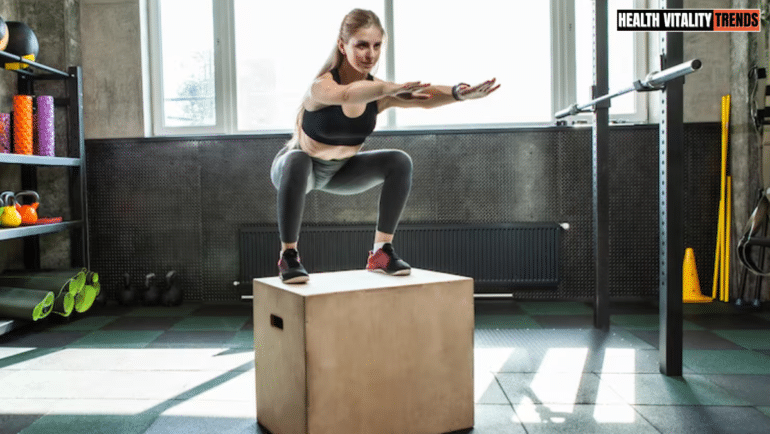
Squats are fundamental for developing lower-body strength, particularly through your quadriceps and glutes. I include them because standing up from a chair, climbing stairs, and lifting objects all require lower-body strength. You can begin with bodyweight squats before progressing to dumbbell, goblet, or barbell variations.
These exercises provide progressive resistance that can be difficult to replicate with bodyweight movements alone.
I would rather develop a training program that combines both approaches than limit myself to one category.
Stop Training Only for the Mirror. Start Training for Your Future.
After spending years understanding training principles and working as a personal trainer, my perspective has gradually changed.
I no longer see enormous muscle mass as the ultimate measurement of physical fitness.
Unless your specific goal is competitive bodybuilding or you genuinely enjoy pursuing muscular development, I don’t believe you need to organize your entire fitness lifestyle around maximizing muscle size.
Building and maintaining an extremely muscular physique can also require considerable time, money, nutrition planning, and recovery resources.

But you don’t need an expensive supplement collection or an elaborate bodybuilding program to develop meaningful physical capabilities.
What I would encourage instead is a balanced approach.
Train your entire body. Develop pulling and pushing strength. Practice carrying loads. Improve your cardiovascular endurance. Maintain mobility, coordination, and balance.
And stop assuming that training individual muscle groups is the only way to become stronger. Full-body training and body-part splits can both work when programmed properly. What matters is whether your routine develops all major muscle groups without neglecting your weaknesses.
A 2024 systematic review published in the Journal of Strength and Conditioning Research found that full-body and split resistance-training routines produced comparable strength and muscle-growth outcomes when training volume was equated.
🟧 READ MORE
- 4 Functional Fitness Exercises That Support Healthy Movement For Life
- This 10-Minute Routine Can Help Strengthen Your Abs and Improve Posture
The bigger lesson is that your training should serve your physical needs rather than simply follow a popular influencer’s routine.
And remember, the CDC recommends that older adults combine aerobic activity, muscle-strengthening exercises, and balance activities. Physical capability requires more than muscular strength alone.

My final advice?
Build muscles, but don’t let muscle development become your only fitness goal.
I want you to be able to get off the floor without struggling, climb stairs without losing your breath, carry your groceries, maintain your balance, run when necessary, and remain independent as you grow older.
That’s the kind of fitness I want to preserve.
Because looking strong is impressive. But being physically capable when life demands it is even more valuable.
If you want to develop these abilities through simple, practical training advice, join our Health Vitality Trends WhatsApp community. We share short daily fitness tips, exercise guidance, and training advice to help you stay strong, active, and capable at every age.
Editor’s Note: This content is for informational and educational purposes only and is not intended to diagnose, treat, or cure any medical condition. Always consult your physician or a qualified personal trainer before starting any workout or nutrition program.