Fitness Expert Says Men Over 60 Should Prioritize These Strength Exercises
While the retirement phase can give you more time to enjoy life, it can also make you less physically active. If you’ve noticed that getting out of a chair now feels harder, or carrying groceries takes more effort, or sometimes your legs don’t feel as strong as they once did, it’s time to pay attention to your strength training.
As a personal trainer, I recommend that men over 60 make resistance training a regular part of their routine. Evidently, you don’t need to lift extremely heavy weights or train like a 20 year old. Instead, you will now focus more on exercises that help you maintain muscle, improve balance, strengthen your bones, and make everyday activities easier.
Note: The goal isn’t simply to lift more weight. It’s to preserve the strength and independence you need as you age.
A well-equipped gym can be an excellent place to start strength training, particularly if it offers machines, dumbbells, and professional guidance. Here are 10 strength exercises I recommend considering for men above 60.

🟧 READ MORE
- 6 Low-Impact Exercises That Support Healthy Aging
- Over 60 and Want to Stay Mobile? I’m a Personal Trainer — Try These Gentle Yoga Movements
- Want to Start Yoga at Home? I’m a Personal Trainer — Here’s a Simple Routine for Beginners
10 Strength Exercises Men Over 60 Should Prioritize
1. Leg Press Machine
As shown in the training video, leg press is a much safer exercise than doing barbell squats at 60. Doing this machine-based exercise builds lower-body strength that helps you climb stairs, stand up from chairs, and walk with greater confidence.
How to do it:
- Sit with your back against the pad and place your feet at shoulder-width apart on the platform.
- Release the safety handles and lower the platform slowly by bending your knees.
- Stop before your lower back begins to round or your hips lift from the seat.
- Now, push through your feet to return to the starting position without locking your knees.
2. Hex Bar (Trap Bar) Deadlift
This exercise trains the muscles that are used daily to pick up objects from the floor. The trap (hex) bar places the weight around your body, and its raised handles can make the movement more comfortable than lifting a straight bar from the ground.
How to do it:
- Stand inside the bar with your feet about hip-width apart.
- Bend at your hips and knees, then grip the handles.
- Keep your back stable and brace your abdomen.
- Now, push through your feet to stand up.
- Lower the bar slowly by bending your hips and knees.
Note: Learn the hex bar deadlift movement with a trainer before doing it yourself.
3. Seated Cable Rows
As you age, your shoudler become more rounded, and you may also hunch. Thus, building a strong back can help you to build a stronger pulling capacity, proper posture, and help you maintain the strength needed for everyday tasks.
How to do it:
- On the cable row machine, grab the handle and sit upright with your feet supported and knees slightly bent.
- Grip the handle and pull it toward your lower ribs.
- Keep your elbows close to your body without leaning excessively backward.
- Extend your arms slowly to return to the starting position.
4. Dumbbell Chest Press
Doing pressing movements like push-ups or dumbbell press helps to build pushing strength that helps with activities like pushing doors, moving objects in front, and getting up from certain positions. A flat or incline bench can be used according to your comfort and mobility.
How to do it:
- Lie on a flat or incline bench with dumbbells in each hand.
- Position the weights near your chest, with your wrists straight.
- Now, press upward until your arms are extended without forcefully locking your elbows.
- Lower the weights slowly and repeat.
Note: Use a spotter when needed, especially as you learn the movement.
5. Lat Pulldown Machine
The pull-ups or lat pulldown movement strengthens the muscles responsible for pulling your arms downward. It complements rowing exercises and helps build upper-body strength.
How to do it:
- Sit under the bar and lock your thighs beneath the pads.
- Grip the bar slightly wider than shoulder-width, or use a comfortable alternative handle.
- Pull the bar toward your upper chest while keeping your torso stable.
- Return the bar slowly without swinging or pulling it behind your neck.
6. Seated Dumbbell Overhead Press
Doing shoulder press builds shoulder strength, which is used to push weight above the head. The sitting position provides additional support while you learn the movement.
How to do it:
- Sit upright with your feet planted on floor and hold dumbbells near shoulder height.
- Brace your abdomen and press the weights overhead.
- Stop if you feel your shoulders become uncomfortable or your back arches excessively.
- Lower the dumbbells slowly.
7. Farmer’s Carry
This practical exercise trains you to build grip strength and carry heavier objects while maintaining an upright posture. It challenges your grip and ability to stabilize your body while walking.
How to do it:
- Pick up a moderate-weight dumbbell or kettlebell in each hand.
- Stand tall with your shoulders relaxed and brace your abdomen.
- Walk forward using short, controlled steps.
- Stop before your grip or posture deteriorates, then put the weights down safely.
Follow our Facebook page for more practical strength-training tips that help make everyday movement easier as you age.
🟧 READ MORE
- 5 Yoga Exercises That Can Help Improve Stability After 50
- Why Muscle Health Is Becoming More Important As We Age
- Fitness Coach Shares 5 Supplements Men Over 50 May Need to Support Muscle Growth and Strength
8. Cable Woodchopper
This exercise trains your core muscles to control rotational movement, which is useful when turning your body during everyday activities.
How to do it:
- Set a cable pulley handle around your chest height and stand sideways to the machine.
- Hold the handle with both hands and keep your knees slightly wide and bent.
- Pull the handle diagonally across your chest and rotate your body.
- Return slowly, then switch sides.
9. Glute Bridges
With growing age, training glutes becomes more important. Your glutes help you stand up, climb stairs, and move your hips. Glute bridges are a useful starting point if you want to strengthen these muscles without lifting heavy weights.
How to do it:
- Lie on your back with your knees bent and feet flat on the floor.
- Brace your abdomen and squeeze your glutes.
- Lift your hips until your shoulders, hips, and knees form a roughly straight line.
- Lower your hips slowly and repeat.
10. Standing Calf Raises
Your calf muscles contribute to walking, climbing stairs, and pushing off the ground. Training them can complement a broader program designed to maintain lower-body function.
How to do it:
- Get up on the Calf raise machine and put supporting pads on your shoulders.
- Stand with only your front part (toes) and keep your feet at hip-width.
- Now, rise up slowly and loosen the lock.
- Move up, pause for 1 to 2 seconds, and get down in a controlled form.
Don’t Ignore Protein: Strength Training Needs Nutrition
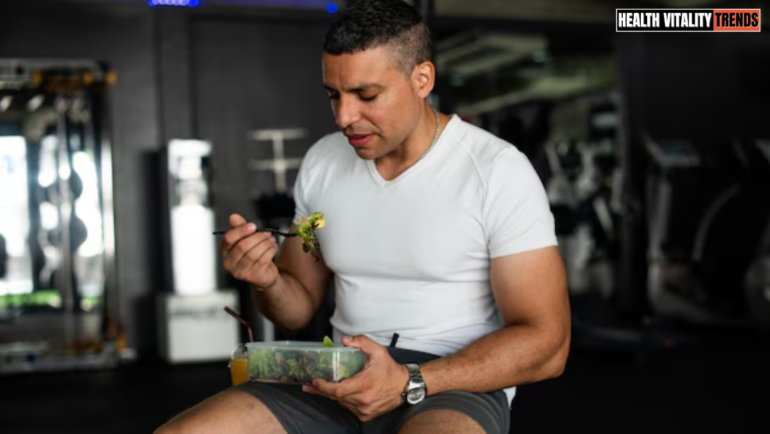
Lifting weights is only one part of building and maintaining muscle after 60. Your body also needs adequate energy, protein, and recovery to adapt to exercise.
When you strength train, you create a stimulus for muscle repair and adaptation. Your body uses dietary amino acids to support this process, known as muscle protein synthesis (MPS).
As you age, anabolic resistance can make your muscles less responsive to the muscle-building effects of protein and exercise. This is one reason older adults should pay attention to their daily protein intake rather than assuming that small amounts are always sufficient.
For many healthy older adults, approximately 1.0–1.2 grams of protein per kilogram of body weight daily is a reasonable starting point to discuss with a healthcare professional. People who exercise regularly may need more, depending on their goals, health, and overall diet.
Include protein-rich foods such as eggs, fish, chicken, Greek yogurt, milk, tofu, and beans across your meals. Distributing protein throughout the day can help you meet your needs without relying on one large dinner.
If you have kidney disease or another condition that affects protein requirements, consult your healthcare professional before increasing your intake substantially.
The Bottom Line
Men over 60 don’t need extreme workouts to maintain their strength. They need a consistent, well-planned routine that trains the entire body and matches their abilities.
Start with manageable weights, learn proper technique, and aim to train your major muscle groups at least twice a week, allowing adequate recovery between sessions. If you’re new to exercise or have balance concerns, chronic conditions, or persistent joint pain, seek guidance before beginning.
Most importantly, combine resistance training with sufficient protein and a balanced diet. The aim is to build a body that continues to support your independence, mobility, and quality of life.
Join our WhatsApp community for short daily fitness tips and training advice to help you stay active, build strength, and make healthier choices as you age.
Editor’s Note: This content is for informational and educational purposes only and is not intended to diagnose, treat, or cure any medical condition. Always consult your physician or a qualified personal trainer before starting any workout or nutrition program.