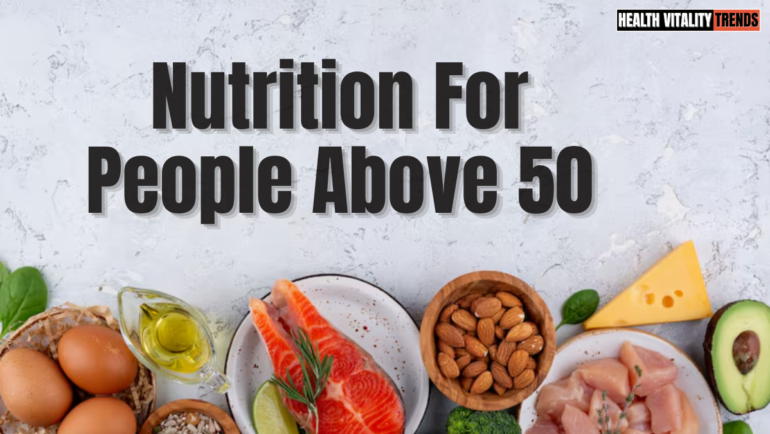
These Protein-Rich Foods Can Help Support Muscle Maintenance After 50
If you are struggling to build or maintain muscle mass in your 50s, you need to reevaluate your diet closely. At 50, you might be eating less protein than what your body actually needs, or you may be skipping some protein sources because they feel difficult to digest.
As a personal trainer, I want you to understand one thing: turning 50 is not a reason to cut protein from your daily diet. In fact, getting enough high-quality protein becomes increasingly important as you age.
Science says — your body needs protein to repair muscle tissues, maintain strength, and support recovery after exercise. However, older adults can become less responsive to the muscle-building effects of protein, a process known as anabolic resistance. This means you may need to pay close attention to how much protein you eat and how you distribute it throughout the day.
The good news? You really don’t need an expensive or complicated meal plan. But choose the right protein-rich foods that you can enjoy and digest easily.
🟧 READ MORE
- Building Muscle in Your 40s? Trainers Say These Mistakes Become More Common With Age
- Why Muscle Health Is Becoming More Important As We Age
- 5 Yoga Exercises That Can Help Improve Stability After 50
Here are eight protein sources I recommend considering if you’re an individual above 50 and want to support muscle maintenance.
1. Whey Protein Isolate

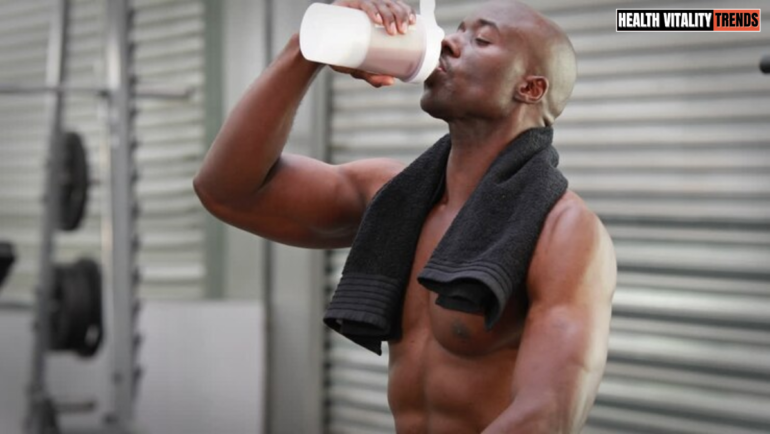
Out of all protein sources, the Whey Protein (Isolate) supplement is one of the most convenient options if you struggle to get enough protein from regular meals. It provides a concentrated source of complete protein, which means — it contains all nine essential amino acids that your body needs.
The Whey supplement is particularly rich in Leucine, which is an essential amino acid that helps to stimulate Muscle Protein Synthesis (MPS), which your body uses to repair and build muscle tissues.
Especially for older adults, getting enough leucine alongside sufficient total protein is equally important.
How to use it: Mix a scoop of whey isolate into water or milk after strength training, or add it to a smoothie or oatmeal. If you are lactose intolerant, whey isolate may still be an easier option than consuming dairy products.
2. Chicken Breast

Chicken breast remains the number one protein source and a reliable choice for anyone who wants to maintain muscle mass without consuming excessive calories.
A 3-ounce cooked serving of chicken breast provides approximately 25 – 27 grams of protein, along with essential amino acids. It is also very easy to incorporate into everyday meals without making major changes to your diet.
How to use it: Add grilled chicken to a salad, serve it with vegetables and rice, or prepare shredded chicken for sandwiches and wraps.
3. Salmon

Salmon fish contains high-quality complete protein along with omega-3 fatty acids, which support cardiovascular health and may influence muscle function and the body’s response to exercise.
Although omega-3s shouldn’t be treated as a guaranteed way to accelerate muscle recovery, salmon is an excellent food to include in a balanced diet.
How to use it: You can bake or grill a salmon fillet and serve it with potatoes, brown rice, or vegetables. Canned salmon is another convenient option if you want an affordable source of protein.
4. Eggs

Eggs take the number one position as a high-quality protein source. They contain complete protein, all essential amino acids, and several other nutrients and are the easiest food to cook.
One large egg contains approximately 6 grams of protein. While eggs alone may not provide enough protein for a substantial meal, combining them with other foods like chicken or fish makes it easier to reach your daily target.
How to use them: Boiling them is the most convenient and time-saving method, or you can cook scrambled eggs for breakfast.
5. Plain Greek Yogurt

Greek yogurt is another convenient option for breakfast, snacks, or a light evening meal. Depending on the brand and serving size, a cup can provide approximately 15 – 25 grams of protein. It contains calcium, which helps to maintain bone health as you age.
How to use it: Choose plain, unsweetened Greek yogurt and add berries, nuts, or oats to it.
Small food choices like this can make meeting your daily protein needs much easier. Follow our Facebook page for more practical fitness and nutrition tips designed to help you stay strong as you age.
6. Cottage Cheese

Cottage cheese (Paneer) contains a substantial amount of casein, which is a dairy protein that digests relatively slowly. A half-cup of cottage cheese typically provides around 12 – 15 grams of protein. It is slower to digest, and makes it a useful option for a quick evening snack.
How to use it: Combine cottage cheese with fruit, spread it on whole-grain toast, or add it to scrambled eggs for extra protein.
🟧 READ MORE
- Over 60 and Want to Stay Mobile? I’m a Personal Trainer — Try These Gentle Yoga Movements
- 6 Low-Impact Exercises That Support Healthy Aging
- You Might Be Overcomplicating Your Workout Routine
7. Tofu and Tempeh

Well, you don’t have to exclusively rely on animal products to maintain muscle after 50. Tofu and tempeh, which are made from soybeans, also provide complete plant-based protein.
Tofu generally offers around 10 – 15 grams of protein per 3.5-ounce serving, while Tempeh is more concentrated and provides approximately 18 – 20 grams per similar serving.
How to use them: Add tofu to stir-fries and soups, or bake tempeh with your favorite seasonings. Both work well with rice, vegetables, and other whole foods.
8. Edamame

Edamame are young soybeans that provide plant-based protein, fiber, and several important nutrients.
One cup of shelled, cooked edamame contains approximately 18 – 19 grams of protein, making it a useful option for people who want to increase their intake without eating meat.
How to use it: Steam edamame for a quick snack, toss the beans into salads, or add them to rice bowls. Frozen edamame is convenient and easy to keep on hand.
How Much Protein Do You Need After 50?
The recommended dietary allowance of protein for healthy adults is 0.8 grams of protein per kilogram of body weight daily. However, some research and expert recommendations suggest that older adults after 50 may benefit from approximately 1.0 – 1.2 grams per kilogram, or more in certain circumstances, depending on their health, activity level, and goals.
For example, a 165-pound adult weighs approximately 75 kilograms. At 1.2 grams per kilogram, that works out to about 90 grams of protein per day.
In addition, rather than eating almost all your protein at dinner, aim to distribute it across your meals. Many older adults may benefit from meals containing roughly 25 – 40 grams of protein, depending on their body size, daily target, and protein source. There is no universal 30-gram threshold that guarantees muscle protein synthesis.
If you have kidney disease or another condition that affects protein requirements, speak with your healthcare professional before substantially increasing your intake.
The Bottom Line: Pair Protein With Strength Training
Now that you know that eating more protein after 50 can help to support muscle maintenance, but I must tell you that — protein alone won’t build muscle without an appropriate physical stimulus.
Your muscles need a reason to adapt. Regular resistance training with weights, resistance bands, machines, or suitable bodyweight exercises can provide that stimulus. Combining strength training with adequate protein, sufficient calories, and consistent recovery gives your body a better opportunity to preserve muscle and improve strength.
Start by including a protein-rich food in each main meal, then build a strength-training routine suited to your abilities.
For more simple, practical advice on staying active and building strength as you age, join our website’s WhatsApp community. You’ll receive short daily fitness tips and training advice to help you make healthier choices, one day at a time.
Editor’s Note: This content is for informational and educational purposes only and is not intended to diagnose, treat, or cure any medical condition. Always consult your physician or a qualified personal trainer before starting any workout or nutrition program.