


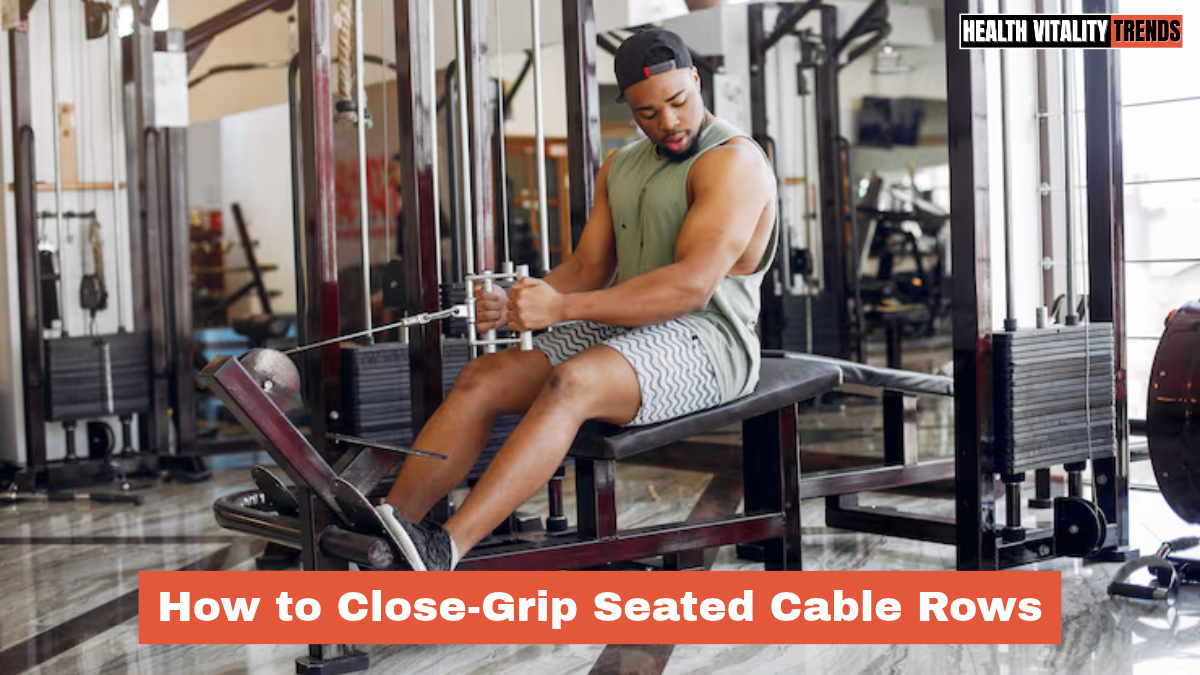
How to Do Close-Grip Seated Cable Rows: Heavy Pulling Mechanics for Dense, Wide Lats
Build thicker lower lats with controlled horizontal pulling and proper elbow positioning.
If your back looks wide from the front but lacks thickness when viewed from the side or rear, your workout routine might be missing something — Enough rowing movements.
Most gym-goers dedicate considerable time to pull-ups and lat pulldowns. And rightly so. These vertical pulling exercises are excellent for developing the latissimus dorsi and improving upper-body pulling strength.
But relying almost entirely on vertical pulling can leave gaps in your back development. Horizontal rowing movements deserve equal attention, particularly if your goal is to build a thicker, more developed back.
Traditional Bent-Over Barbell Rows and Conventional T-bar Rows are popular choices. However, you can train similar pulling patterns using a cable machine without constantly loading and unloading weight plates.
That’s where Close-Grip Seated Cable Rows come in.

As a personal trainer, I consider this an excellent alternative to Wide-Grip Seated Cable Rows. The difference comes down to grip width, elbow positioning, and the resulting shoulder movement.
With a close-grip attachment, your elbows generally remain closer to your torso. This increases the contribution of shoulder extension, making the latissimus dorsi a major target. The rhomboids and trapezius still assist with scapular movement and stabilization.
Wide-grip rows, on the other hand, generally involve more shoulder horizontal abduction and place greater emphasis on the posterior deltoids and middle-back musculature.
Choose your rowing variation according to the muscles you want to emphasize.
🟧 READ MORE
- Why We Only Train Muscles We Can See in the Mirror — And How to Fix It
- The Rookie Gym Mistake That Guarantees Zero Muscle Growth for Months
Muscles Worked
Primary Movers:
- Latissimus Dorsi: The primary target of close-grip seated cable rows. These large back muscles contribute to shoulder extension and help pull your upper arms backward toward your torso.
- Teres Major: Assists the latissimus dorsi with shoulder extension and contributes to upper-arm movement during the pulling phase.
Supporting and Stabilizer Muscles:
- Rhomboids: Assist with scapular retraction as your shoulder blades move toward each other.
- Middle Trapezius: Helps retract and stabilize the shoulder blades throughout the movement.
- Biceps Brachii and Brachialis: Assist with elbow flexion as you pull the handle toward your body.
- Forearm Muscles: Maintain a secure grip on the V-bar attachment.
- Erector Spinae and Core Muscles: Stabilize your trunk and help maintain an upright seated position.
Step-by-Step Execution: How to Do Close-Grip Seated Cable Rows
1. The Setup
Attach a V-Bar or close-grip rowing handle to a low cable pulley. Sit on the rowing platform with your feet firmly positioned against the footrests and your knees slightly bent.
Grab the handle using a neutral grip, with your palms facing each other. Keep your chest lifted, shoulders relaxed, and spine in a neutral position.
Extend your arms toward the pulley without rounding your lower back. Your torso should remain relatively upright.
2. Initiate the Pull
Begin pulling the V-bar toward your lower chest or upper abdomen.
Keep your elbows relatively close to your torso and drive them backward. Think about bringing your upper arms toward your hips rather than simply pulling the handle with your hands.
Maintain a stable torso throughout the concentric phase. Your shoulder blades should move naturally as your upper arms travel backward.

3. The Peak Contraction
When the handle reaches your torso, pause briefly and squeeze your lats.
Your elbows should be behind your torso without forcing an excessive range of motion. Keep your chest lifted and avoid shrugging your shoulders.
Focus on feeling the contraction along the sides of your back rather than relying entirely on your biceps.
4. The Return
Slowly extend your arms toward the cable machine while maintaining control of the resistance.
Allow your shoulder blades to move forward naturally as your arms reach the starting position. This controlled eccentric phase maintains tension on the working muscles.
Avoid letting the weight stack slam down or allowing your shoulders and lower back to collapse forward.
🟧 READ MORE
- Deadlifts After 45: The Strength Benefits Many Lifters Don’t Expect
- Swap Your Heavy Squats for This Single Step-Up Variation to Transform Your Stability
Common Mistakes to Avoid
1. Pulling the Handle Too High
If your objective is to emphasize your lats, avoid pulling the V-bar excessively high toward your chest. Aiming toward your lower chest or upper abdomen generally supports the shoulder-extension mechanics of this variation.
2. Widening Your Elbows
One advantage of close-grip rows is the ability to keep your elbows relatively close to your torso. Allowing them to flare excessively changes the pulling mechanics and shifts more emphasis toward the upper back and posterior shoulders.
3. Using Excessive Body Momentum
Avoid swinging your upper body backward during the concentric phase or throwing your torso forward during the eccentric phase.
Maintain a controlled, relatively upright position throughout each repetition.
4. Lifting More Weight Than You Can Control
Going heavier is important for progressive overload, but it shouldn’t come at the expense of proper technique.
If you cannot maintain your elbow path, control the eccentric phase, or feel your back working, reduce the resistance.
5. Ignoring Grip and Trunk Stability
Sometimes your forearms and grip fatigue before your back muscles. Lifting straps can help you maintain your grip and focus on the intended pulling movement.
A weightlifting belt is optional, not mandatory. Prioritize proper trunk bracing and a stable seated position.
6. Ignoring Left-to-Right Strength Differences
If one arm consistently pulls harder or one side of your back contracts differently, start with lighter resistance.
Unilateral dumbbell and cable rows can help identify differences in coordination and strength. Include appropriate warm-up sets before moving to challenging working weights.
7. Moving Your Feet During Repetitions
Keep your feet firmly positioned against the footrests. Avoid pushing against the platform aggressively or jerking your legs to generate momentum.
Your back muscles should perform the pulling movement, not your entire body.
Looking to improve your back-training technique? Follow our Facebook page for more practical exercise guides, strength-training advice, and personal trainer insights.
Sets, Reps, and Training Tips
Your back contains several large muscle groups, so developing it properly requires a combination of vertical and horizontal pulling movements.
You can use Close-Grip Seated Cable Rows as your primary lat-focused rowing exercise or include them toward the end of your back workout.
I personally prefer performing this exercise after lat pulldowns because it provides another opportunity to train the lats through a horizontal pulling pattern.
For muscle development, begin with 2 to 3 progressive warm-up sets, followed by 3 to 4 working sets of 10 – 12 repetitions. You can occasionally increase the repetitions to 15, particularly when using lighter resistance toward the end of your workout.
Allow approximately 2 to 3 minutes of recovery between challenging working sets.
If you’re using this exercise as a finishing movement, lighter resistance and 15 – 20 controlled repetitions can also work well.
Remember, progressive overload doesn’t always mean adding more weight. Improving your range of motion, controlling the eccentric phase, and maintaining consistent muscle engagement are equally valuable.
🟧 READ MORE
- 4 Functional Fitness Exercises That Support Healthy Movement For Life
- Forget Gym Machines — These Free-Weight Exercises Build Functional Strength
Who Should Try Close-Grip Seated Cable Rows?
If your goal is to develop thicker lats and improve overall back development, Close-Grip Seated Cable Rows deserve a place in your routine.
Many lifters prioritize pull-ups and lat pulldowns to build back width but overlook horizontal pulling movements. Others focus heavily on wide-grip rows and upper-back development without giving enough attention to shoulder extension-based rowing variations.
This exercise helps address that gap.
It’s also a useful option for older adults who want to maintain upper-body muscle mass and pulling strength. Start with manageable resistance and prioritize controlled repetitions rather than chasing heavy weights.
Alternative Exercises for Lat Development
You don’t have to rely exclusively on close-grip cable rows to develop your lats. Here are several alternatives you can incorporate into your training routine.
Machine Exercises
- Chest-Supported Seated Rows: Provides a stable rowing position and reduces the need for your lower back to maintain torso alignment. (Check Exercise Here)
- Chest-Supported T-Bar Rows: Allows you to train your lats and middle back with substantial resistance while keeping your chest supported. (Check Exercise Here)
- Smith Machine Underhand-Grip Bent-Over Rows: Uses a supinated grip and a guided bar path to train the lats, biceps, and other back muscles.
- Nautilus Machine Pullovers: A shoulder-extension exercise that emphasizes the latissimus dorsi without requiring elbow flexion throughout the movement.
Barbell Exercises
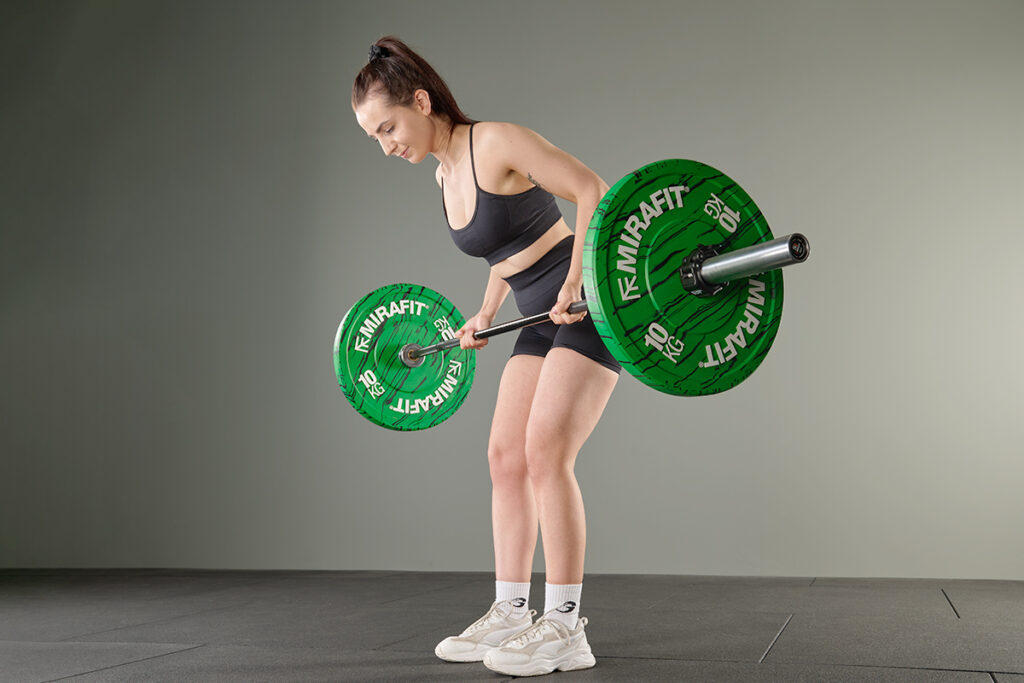
- Underhand-Grip Bent-Over Barbell Rows: A compound rowing variation that emphasizes shoulder extension and allows progressive loading of the back and elbow flexors.
Dumbbell Exercises
- Incline Chest-Supported Dumbbell Rows: Allows independent arm movement while minimizing lower-back stabilization demands.
- One-Arm Dumbbell Rows: An excellent unilateral exercise for developing the lats and addressing side-to-side strength differences.
Cable Exercises
- V-Bar Lat Pulldowns: A vertical pulling variation that emphasizes the lats while allowing a relatively close neutral grip.
- Chest-Supported Incline Cable Rows: Combines cable resistance with chest support for controlled horizontal pulling.
- Underhand Narrow-Grip Seated Cable Rows: Uses a supinated grip to emphasize shoulder extension and involve the elbow flexors.
- Straight-Arm Cable Pulldowns: Isolates shoulder extension more directly, reducing the contribution of elbow flexion and making it an excellent lat-focused accessory.
Final Takeaway
Close-Grip Seated Cable Rows are an effective addition to your back workout when you want to emphasize lat development through controlled horizontal pulling. Keep your elbows close, maintain a stable torso, and prioritize muscle engagement over unnecessarily heavy weights.
Want short, practical fitness advice beyond these exercise guides? Join our WhatsApp community for daily training tips, strength and conditioning advice, and useful nutrition insights to support your fitness journey.
Editor’s Note: This content is for informational and educational purposes only and is not intended to diagnose, treat, or cure any medical condition. Always consult your physician or a qualified personal trainer before starting any workout or nutrition program.






3 Comments