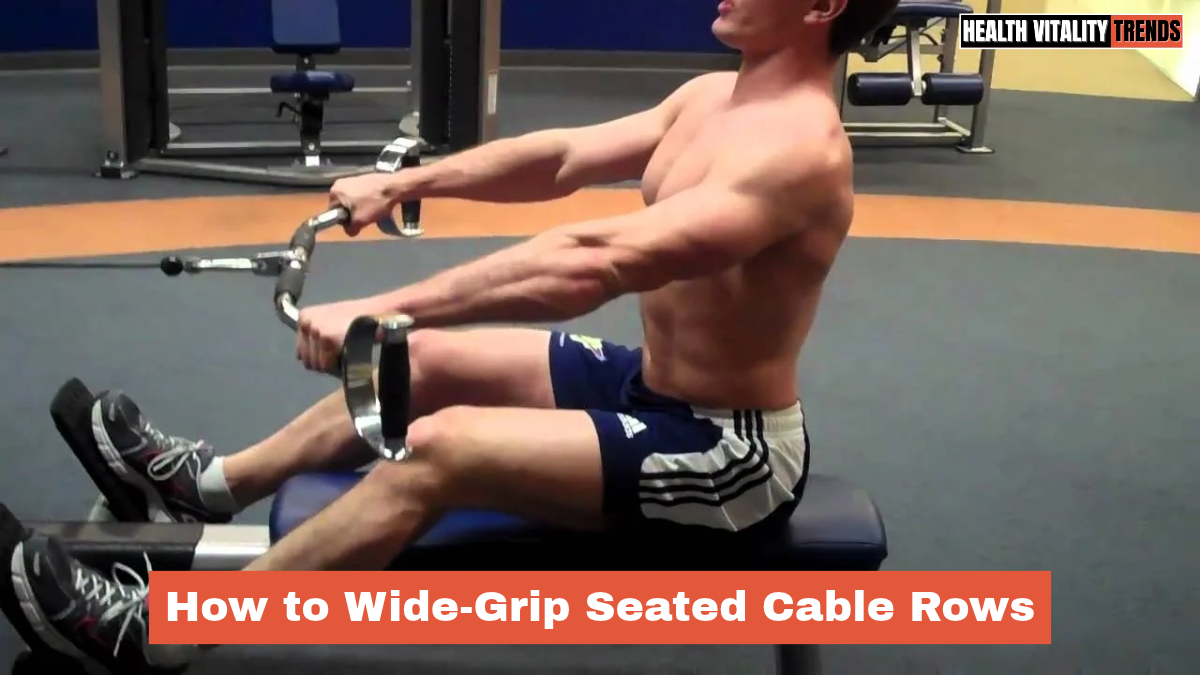
How to Do Wide-Grip Seated Cable Rows: Target Your Upper Back, Rear Delts, and Rhomboids
Build a thicker, stronger upper back with controlled pulling mechanics and proper muscle engagement.
If you’ve spent enough time doing Bent-Over Barbell Rows or Conventional T-bar rows, you probably know how time-consuming heavy back training can become. Loading and unloading plates, maintaining your torso position, and managing lower-back fatigue can make an already demanding workout even more challenging.
That’s where I recommend Wide-Grip Seated Cable Rows as an excellent alternative.
As a personal trainer, I like this exercise because it allows you to train your upper and middle back using a relatively stable seated position, without constantly loading and unloading weights. You can also adjust the resistance quickly and maintain consistent tension throughout the movement.

The pulling mechanics share similarities with barbell rows and other horizontal rowing variations. However, the wider grip and flared elbow position shift more emphasis toward the rhomboids, middle trapezius, and posterior deltoids.
This is also an exercise worth considering if you’re looking to change your usual back-training routine. Bodybuilding legend Dorian Yates helped popularize different rowing variations as important components of serious back development.
Personally, I perform Wide-Grip Seated Cable Rows early in my back workout, after warming up my back and posterior deltoids with unilateral movements.
But remember
Simply pulling a heavy cable handle isn’t enough. You need to understand how to retract your shoulder blades and engage your upper-back muscles rather than allowing your arms to do all the work.
🟧 READ MORE
- Why We Only Train Muscles We Can See in the Mirror — And How to Fix It
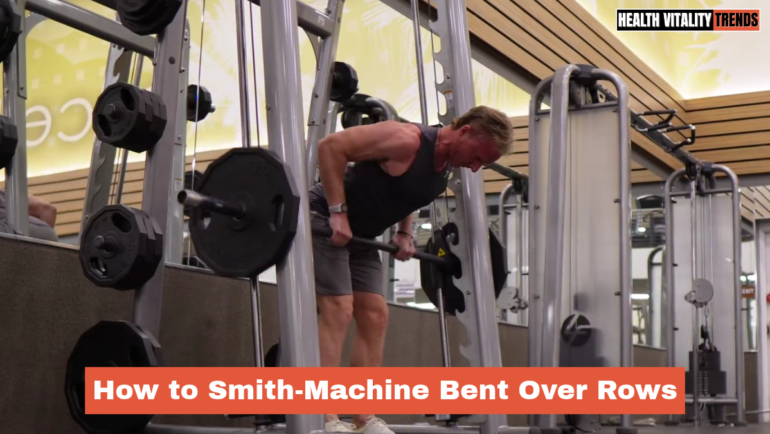
- How to Do Smith Machine Bent-Over Rows: Lock In Your Bar Path for Pure Upper-Back Growth
Muscles Worked
Primary Movers:
- Rhomboids: Located between your shoulder blades, the rhomboids help retract the scapulae, bringing your shoulder blades toward your spine. They play an important role in developing upper-back thickness.
- Middle Trapezius: This muscle contributes significantly to scapular retraction and helps stabilize your shoulder blades during the rowing movement.
- Posterior Deltoids: Your rear shoulder muscles assist with horizontal shoulder abduction and shoulder extension, particularly when your elbows travel outward.
Supporting and Stabilizer Muscles:
- Latissimus Dorsi: Your lats assist with shoulder extension and contribute to pulling the handle toward your torso.
- Biceps and Brachialis: These elbow flexors help bend your elbows as you pull the handle.
- Forearm Muscles: They maintain your grip throughout the movement.
- Erector Spinae and Core Muscles: These muscles stabilize your trunk and help you maintain an upright seated position.
Step-by-Step Execution: How to Do Wide-Grip Seated Cable Rows
1. The Setup
Attach a wide-grip pulldown bar or an appropriate wide-row handle to a low cable pulley. Sit on the rowing platform with your feet firmly positioned against the footrests and your knees slightly bent.
Grab the handle using an overhand (pronated) grip, with your hands wider than shoulder-width apart. Keep your wrists relatively straight and your chest lifted.
Extend your arms toward the cable machine without rounding your lower back. Establish a stable torso position before beginning.
2. Initiate the Pull
Begin pulling the handle toward your upper abdomen or lower chest, depending on your handle width and individual proportions.
Drive your elbows outward and backward rather than keeping them tucked against your sides. As you pull, retract your shoulder blades while maintaining a controlled torso position.
Think about bringing your shoulder blades toward each other rather than simply pulling the handle with your hands.
3. The Peak Contraction
Once the handle approaches your torso, pause briefly and squeeze your upper-back muscles.
Your elbows should travel behind your torso without forcing an excessive range of motion. Maintain a lifted chest and avoid shrugging your shoulders toward your ears.
You should feel the contraction primarily around your shoulder blades and posterior shoulders.
4. The Return
Slowly extend your arms and allow your shoulder blades to move forward naturally as the handle travels toward the machine.
This controlled eccentric phase helps maintain tension on your working muscles. Avoid allowing the weight stack to slam down or letting your shoulders collapse forward.
Repeat the movement while maintaining the same torso position throughout every repetition.
🟧 READ MORE
- I Traded The Leg Press For Unilateral Movements — My Knees Have Never Felt Better.
- Choline — Is Your Diet Missing This Key Recovery Nutrient?
Common Mistakes to Avoid
1. Excessive Torso Movement
One of the biggest mistakes is changing your upper-body angle during the concentric and eccentric phases. Avoid leaning excessively backward when pulling or throwing your torso forward when returning the handle.
Keep your torso relatively upright and stable, with only minimal natural movement if necessary.
2. Using Excessive Weight
Going heavier is a natural progression in resistance training. However, if the weight forces you to lean backward, swing your body, or lose control of the handle, you’re sacrificing the quality of the movement.
Your goal should be progressive overload while maintaining proper upper-back engagement.
3. Pulling Only With Your Arms
If you focus entirely on bending your elbows, your biceps and forearms can dominate the movement.
Instead, coordinate elbow movement with scapular retraction. Think about driving your elbows backward and bringing your shoulder blades together.
4. Ignoring Lower-Back Discomfort
Although seated cable rows offer a more supported setup than unsupported bent-over rows, your lower back still works to stabilize your torso.
If you experience persistent or sharp spinal or lower-back discomfort, stop the exercise. Consider switching to Chest-Supported T-Bar Rows or Chest-Supported Seated Machine Rows if those movements are comfortable for you.
5. Ignoring Grip Limitations
If your grip starts failing before your back muscles receive sufficient training stimulus, lifting straps can help.
I usually use a wide-grip lat pulldown handle because it’s readily available in most gyms. You can also use dedicated wide-row attachments designed for this movement.
6. Ignoring Left-to-Right Strength Differences
Sometimes, you may notice that one side of your back feels more engaged than the other. This can happen because of differences in coordination, technique, range of motion, or strength.
Start with lighter resistance and check whether both arms are following the same pulling path. Unilateral dumbbell or cable rows can also help identify and address side-to-side differences.
If the problem persists, consider using a chest-supported rowing machine that allows each arm to work independently.
Want more practical gym advice and exercise breakdowns? Follow our Facebook page for regular strength-training tips, workout guidance, and personal trainer insights.

Sets, Reps, and Training Tips
Your back contains several large muscle groups, and developing a balanced physique requires training different pulling patterns rather than relying exclusively on lat pulldowns and pull-ups.
You can use Wide-Grip Seated Cable Rows as your primary upper-back exercise or include them after your heavier compound rowing movements.
For muscle development, start with 2 – 3 warm-up sets using progressively heavier resistance. Follow these with 3 to 4 working sets of 10 – 12 repetitions. You can occasionally extend the range to 15 repetitions if you can maintain proper technique.
Allow approximately 2 to 3 minutes of rest between challenging working sets, adjusting the recovery period according to your training intensity.
A weightlifting belt is not mandatory for this exercise. Focus first on maintaining a stable torso, controlled repetitions, and proper breathing.
Who Should Try Wide-Grip Seated Cable Rows?
If your primary goal is developing a thicker, more muscular upper back, this exercise deserves a place in your training routine.
Many lifters dedicate considerable time to pull-ups and lat pulldowns to develop back width. However, horizontal rowing movements are equally important for developing the muscles around the shoulder blades and building overall upper-back thickness.
It’s also a useful exercise for older adults who want to maintain upper-body muscle mass and pulling strength. Start with manageable resistance, prioritize controlled movement, and gradually increase the training load as strength improves.
🟧 READ MORE
- You Can Maintain Your Physique Forever in Your 30s When These Daily Habits Back Up Your Workout
- The Regular Dead Bug Too Easy? I’m a Personal Trainer — Here’s How to Progress the Exercise
Alternative Exercises for Upper-Back Development
You don’t have to rely exclusively on cable rows to develop a stronger and thicker back. Here are some alternatives you can incorporate into your training routine.
Machine Exercises
- Chest-Supported Seated Rows: A stable rowing variation that reduces the need to maintain your torso position using your lower-back muscles. (Check Exercise Here)
- Chest-Supported T-Bar Rows: An excellent option for loading the upper and middle back while keeping your chest supported. (Check Exercise Here)
- Conventional T-Bar Rows: A compound rowing movement that allows you to progressively increase resistance while engaging your back and trunk stabilizers. (Check Exercise Here)
- Smith Machine Bent-Over Rows: Provides a guided bar path for performing horizontal rows while targeting the lats, rhomboids, and trapezius. (Check Exercise Here)
Barbell Exercises
- Bent-Over Barbell Rows: A traditional compound exercise that develops overall back thickness while requiring substantial trunk stabilization.
Dumbbell Exercises
- Incline Chest-Supported Dumbbell Rows: Allows each arm to work independently while minimizing lower-back involvement.
- Bent-Over Dumbbell Rows: A free-weight variation that develops the back while challenging your core and spinal stabilizers.
- One-Arm Dumbbell Rows: Excellent for unilateral back training, allowing you to focus on each side independently.

Cable Exercises
- Close-Grip Seated Cable Rows: A rowing variation that generally allows your elbows to remain closer to your torso, increasing the contribution of shoulder extension and latissimus dorsi. (Check Exercise Here)
- Chest-Supported Incline Cable Rows: Combines cable resistance with chest support to help maintain a stable position while training the upper back.
Final Takeaway
Wide-Grip Seated Cable Rows are an excellent addition to your back workout when you want to prioritize upper-back thickness, rear deltoid development, and scapular control. Master the movement before increasing the weight.
Want to improve your training beyond the gym? Join our WhatsApp community for short daily fitness tips, practical workout advice, strength-training guidance, and nutrition insights.
Editor’s Note: This content is for informational and educational purposes only and is not intended to diagnose, treat, or cure any medical condition. Always consult your physician or a qualified personal trainer before starting any workout or nutrition program.