You Might Be Eating Enough Protein — But Still Missing This Key Nutrient
If you have started paying attention to your nutrition, there is a good chance you have heard the protein message repeatedly: eat more protein, include protein at every meal, and make sure you are getting enough for your goals.
That advice can be useful, but as a personal trainer, I often see people become so focused on protein that they overlook another important nutrient: fiber.
Whether you work out regularly or spend most of your day at a desk, a high-protein diet is not automatically a balanced diet.

🟧 READ MORE
- Personal Trainers Recommend These High-Protein Breakfast Foods for Building Muscle
- Dietitian Shares 10 High-Protein Vegetarian Foods That Can Help Support Muscle Growth
- 5 High-Protein Indian Breakfast Ideas That Actually Support Muscle Gain
Why Fiber Deserves More Attention
Fiber is found primarily in plant foods and plays several important roles in a healthy diet. It can support digestive health, help you feel fuller after meals, and contribute to overall heart and metabolic health.
The problem is that some popular high-protein eating patterns can unintentionally push fiber-rich foods to the side.
For example, someone might build meals around chicken, eggs, Greek yogurt, protein shakes, and lean meat — but eat very few beans, whole grains, fruits, vegetables, nuts, or seeds.
You may be hitting your protein target while still leaving a nutritional gap.
You Don’t Have to Choose Between Protein and Fiber
The solution isn’t to reduce protein simply because you need more fiber.
Instead, build meals that include both.
Try simple combinations such as:
- Greek yogurt with berries and chia seeds
- Eggs with whole-grain toast and fruit
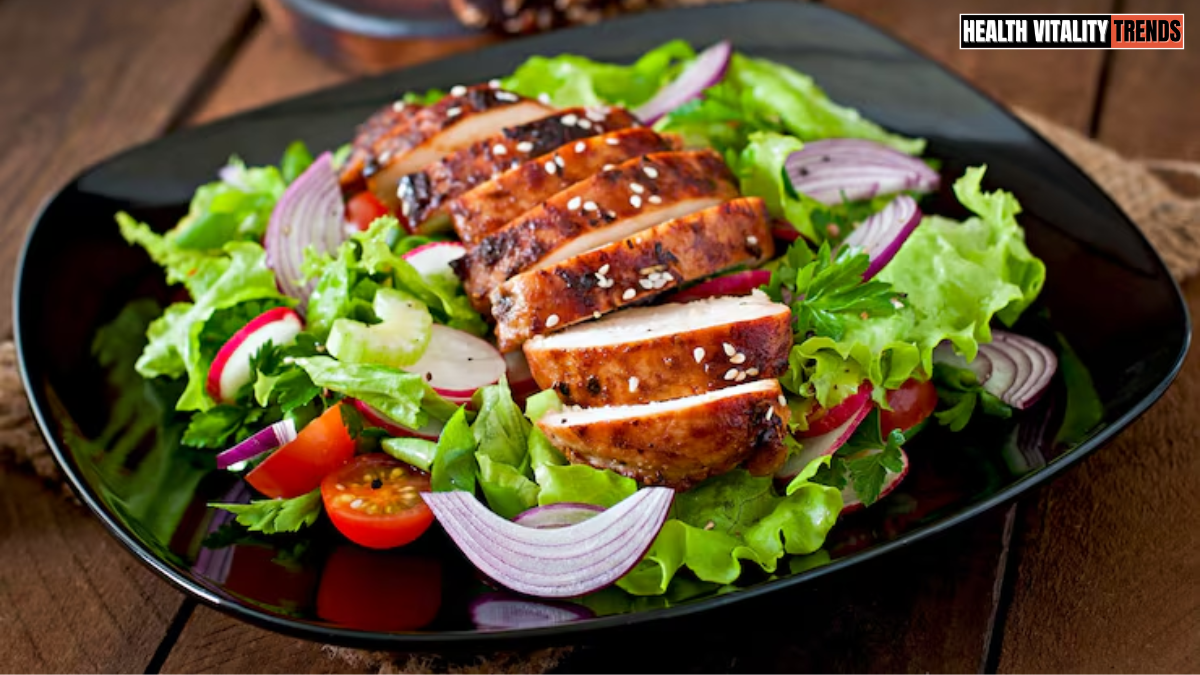
- Chicken with beans, vegetables, and brown rice
- Oatmeal topped with nuts and berries
- A lentil or bean bowl with vegetables and a protein source
These combinations can make it easier to build a more balanced diet without completely changing the way you eat.
For more practical nutrition and fitness tips that go beyond the usual gym advice, follow our Facebook page for simple ideas you can apply to everyday meals and training.
🟧 READ MORE
- Strength Training or Hypertrophy? Coaches Explain How to Choose
- 6 Low-Impact Exercises That Support Healthy Aging
- This Gentle Yoga Pose Can Help Release Lower Back Tension

How Much Fiber Do You Need?
For adults, the general recommended intake is around 14 grams of fiber per 1,000 calories, although individual needs can vary.
Rather than obsessing over a number, start by looking at your meals.
Are you regularly eating vegetables? Whole fruits? Beans and lentils? Whole grains? Nuts and seeds?
If the answer is “not often,” that may be an easy place to improve your diet.
One important tip: if you currently eat very little fiber, increase it gradually and drink enough fluids. Suddenly adding a large amount of fiber can cause digestive discomfort.
Don’t Let One Nutrient Take Over Your Diet
Protein is important for maintaining and building muscle, supporting tissues, and many other functions in the body.
But nutrition works as a bigger picture.
As a personal trainer, I encourage people to stop thinking about individual nutrients in isolation and start looking at the quality and variety of their overall diet.
You don’t need to choose between a protein-rich diet and a fiber-rich diet. You can and should build meals around both.
The Bottom Line
If you have already started paying attention to protein, that’s a good step. Now look at what else is on your plate.
Adding more vegetables, fruits, whole grains, beans, nuts, and seeds can help you increase your fiber intake while making your diet more varied and nutrient-rich.
Want short, practical fitness tips and training advice every day? Join our WhatsApp community for simple guidance on strength, nutrition, conditioning, mobility, and healthier habits.
Editor’s Note: This content is for informational and educational purposes only and is not intended to diagnose, treat, or cure any medical condition. Always consult your physician or a qualified personal trainer before starting any workout or nutrition program.