How Your Cortisol Levels Drop 10 Minutes After Holding This Exact Yoga Pose
Constant stress can leave you exhausted. This gentle yoga posture may help your body unwind before bedtime.
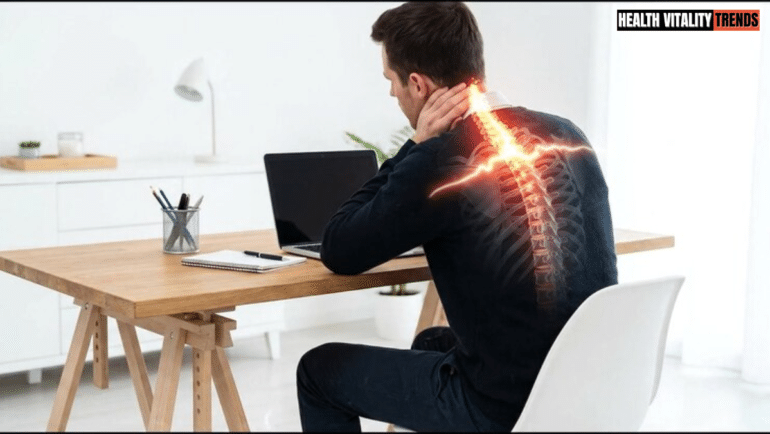
You finish your office work, attend to household responsibilities, respond to endless messages, and somehow still have family commitments waiting for you. Even when the day is technically over, your mind refuses to slow down.
Sound familiar?

I’ve seen how easily people overlook this kind of accumulated stress. They continue pushing through their daily responsibilities until feeling exhausted becomes their normal state. And when that happens repeatedly, the body’s stress-response system can remain activated more often than it should.
One hormone that plays an important role in this process is cortisol.
🟧 READ MORE
- This Quick, Full-Body Yoga Flow Is Specifically Designed To Upgrade Your Daily Balance And Mobility
- No Mat? No Problem. Use a Blank Wall for These 5 Deep Flexibility Poses
Cortisol is often called the stress hormone because it helps your body respond to physical and psychological challenges. It influences energy availability, blood pressure, metabolism, and your sleep-wake cycle. However, cortisol isn’t inherently harmful. Your body needs it to function properly.
The problem arises when stress becomes persistent and your recovery suffers.
You might experience poor sleep, irritability, difficulty concentrating, increased appetite, or persistent fatigue. Chronic stress can also contribute to unhealthy eating patterns and make weight management more difficult.
And although reaching for alcohol, cigarettes, or comfort foods might provide temporary relief, these aren’t reliable long-term stress-management strategies.
As a personal trainer, I’m not going to tell you that you need another demanding workout or complicated wellness routine to relax.

Instead, I want you to try something considerably simpler: Legs-Up-the-Wall Pose (Viparita Karani).
It’s a gentle, restorative yoga posture that requires very little physical effort. You simply lie on your back, elevate your legs against a wall, and allow your body to settle.
But can holding this position for 10 minutes actually lower cortisol? Let’s understand what happens physiologically and how to practice it correctly.
How Legs-Up-the-Wall Pose Helps Your Body Relax
The first thing I want you to understand is that your nervous system has two major branches involved in regulating your body’s stress response.
The sympathetic nervous system prepares your body for action. It increases alertness, raises heart rate, and helps mobilize energy when you face a demanding situation.
The parasympathetic nervous system supports recovery, digestion, and relaxation. It helps bring your body toward a calmer physiological state when immediate demands decrease.
When you’re constantly dealing with deadlines, work pressure, and personal responsibilities, your stress-response system may be repeatedly activated.
This is where restorative practices can help.

When you lie comfortably in Legs-Up-the-Wall Pose, remove unnecessary muscular effort, and breathe slowly, you create conditions that may encourage parasympathetic activity.
Slow and comfortable breathing is particularly important. Research suggests that slow-paced breathing can influence heart-rate variability and autonomic regulation, supporting a calmer physiological state.
But let’s be scientifically precise
Raising your legs does not automatically switch off the sympathetic nervous system or directly instruct your brain to stop producing cortisol. The relaxation response is influenced by the entire experience, including breathing, comfort, and reduced stimulation.
The posture is best understood as a simple way to create an opportunity for your body to relax, rather than a guaranteed hormonal treatment.
🟧 READ MORE
- Why Your Brain Disconnects Your Glutes During Lunges — And How to Fix It
- These 6 Beginner-Friendly Yoga Poses Melt Away Lower Back Tension and Tight Hips in Minutes
What Happens to Blood Flow When You Elevate Your Legs?
There’s another interesting physiological benefit worth understanding.
Throughout the day, gravity makes it harder for blood in your lower extremities to return toward your heart. Your veins and surrounding muscles normally help move blood upward, particularly when you’re walking or moving your legs.
When you elevate your legs above your heart while lying down, gravity can assist venous return.
This may help reduce temporary lower-leg swelling and the uncomfortable feeling of heaviness after spending hours sitting or standing.
The same position may also encourage the movement of fluid from your lower extremities back toward your central circulation.
However, don’t confuse this with a proven treatment for lymphatic disorders or cardiovascular disease.
According to the Cleveland Clinic, improved circulation and reduced lower-leg swelling are among the potential benefits of this posture.
And when you combine comfortable positioning with slow breathing, you create a restorative experience that may help you feel physically and mentally calmer.
How to Perform Legs-Up-the-Wall Pose Correctly
You don’t need special equipment or advanced yoga experience. Just find a quiet space with an empty wall.
1. Find your position: Place a yoga mat or folded blanket beside a wall. Sit sideways with one hip close to the wall.
2. Raise your legs: Slowly rotate your body onto your back while swinging your legs upward against the wall.
3. Adjust your hips: Move your buttocks a few inches away from the wall if necessary. Your tailbone should remain comfortably supported by the floor.
4. Relax your legs: Allow the backs of your legs to rest against the wall. Keep your knees relaxed rather than forcefully locking them.
5. Relax your upper body: Rest your arms beside your torso, palms facing upward. Use a thin pillow beneath your head if needed.
6. Stay and breathe: Close your eyes if comfortable and remain in the position for 5 – 10 minutes, provided you feel comfortable.
7. Exit slowly: Bend your knees, roll onto one side, pause, and gradually return to a seated position.
You should feel relaxed, not strained. If your hamstrings feel excessively stretched, move your hips farther away from the wall.
🟧 READ MORE
- If Your Hips Always Feel Tight, Try Adding These Game-Changing Stretches To Your Routine
- Here’s a Simple Yoga Routine for Beginners Who Want Better Balance After 50
Common Mistakes and the Right Breathing Technique
A common mistake is pushing your hips too close to the wall. This can create unnecessary tension in your hamstrings and lower back.
Another is holding your breath or forcing excessively deep inhalations. You don’t need to perform complicated breathing exercises to benefit from this posture.
Instead, breathe gently through your nose. Allow your abdomen to expand naturally as you inhale, then let your exhalation become slightly longer and slower without forcing it.
For example, inhale comfortably for approximately four seconds and exhale for five or six seconds. Adjust the rhythm to your comfort.
A 2022 systematic review and meta-analysis involving 223 studies found that voluntary slow breathing increased measures of vagally mediated heart-rate variability during and after breathing sessions.
This provides a scientific reason to combine gentle breathing with restorative positioning.
One important safety consideration
Avoid this inversion if you have glaucoma, uncontrolled high blood pressure, or certain conditions involving heart, kidney, or liver failure unless your healthcare professional specifically clears it. Stop if you experience dizziness, discomfort, or breathlessness.

Make These 10 Minutes Part of Your Evening Routine
You cannot automatically eliminate your office deadlines, household responsibilities, or personal commitments. But you can create a small window in your day when you stop demanding so much from your body.
My recommendation is to practice Legs-Up-the-Wall Pose for 5 to 10 minutes in the evening, particularly when you’re preparing to wind down before bedtime.
Don’t expect it to melt belly fat, cure chronic stress, or produce an immediate hormonal transformation.
Research supports the potential stress-management benefits of broader yoga and relaxation practices, but there isn’t sufficient evidence that this particular pose reduces cortisol by a measurable amount within exactly 10 minutes.
Think of it as a simple recovery habit.
And if you enjoy practical fitness, mobility, and recovery advice, follow our Facebook page for more training insights.
You can also join our WhatsApp community for short daily fitness tips, exercise guidance, and practical training advice to help you build healthier habits.
Sometimes, the best thing you can do for your body isn’t another workout.
It’s simply allowing yourself to rest.
Editor’s Note: This content is for informational and educational purposes only and is not intended to diagnose, treat, or cure any medical condition. Always consult your physician or a qualified personal trainer before starting any workout or nutrition program.