


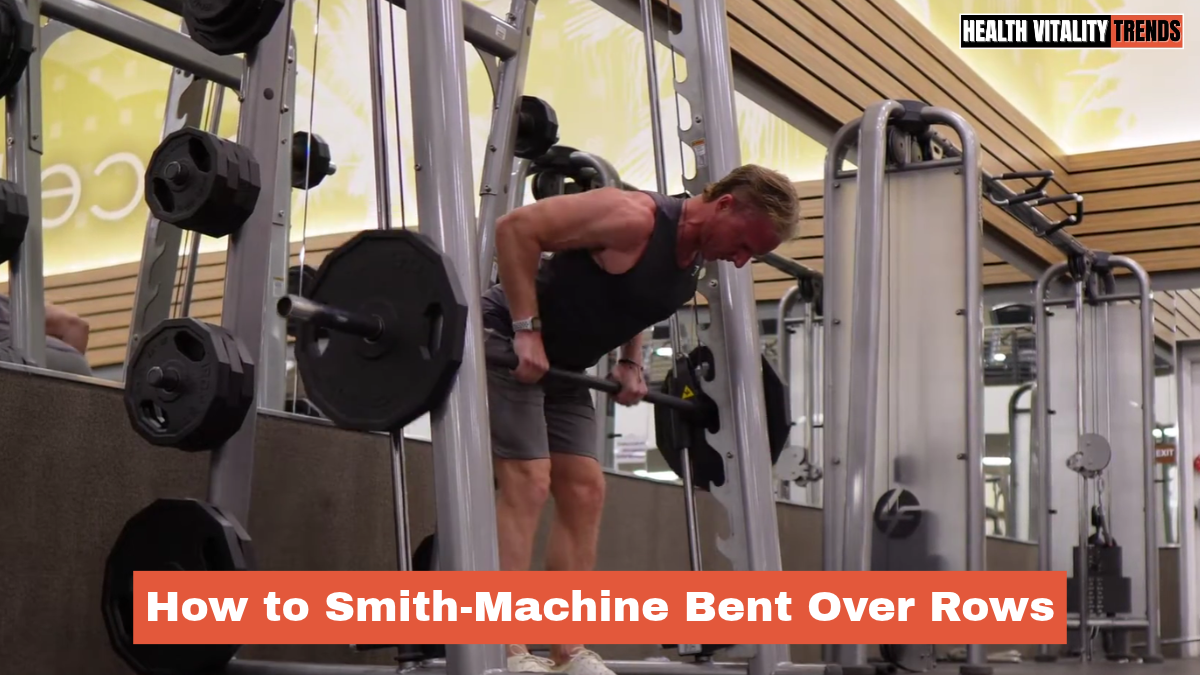
How to Do Smith Machine Bent-Over Rows: Lock In Your Bar Path for Pure Upper-Back Growth
Build a thicker, stronger back with controlled bar movement and consistent rowing mechanics.
If conventional Bent-Over Barbell Rows leave you struggling to maintain your torso position, the Smith machine offers an alternative worth considering.
Smith Machine Bent-Over Rows follow the same fundamental movement pattern as conventional barbell rows. The difference is that the bar travels along a guided track rather than moving freely through space.
This fixed bar path reduces some of the balance and bar-control demands of traditional barbell rowing. But don’t mistake that for a completely supported exercise. Your lower back, glutes, hamstrings, and core must still work to maintain your bent-over position throughout every repetition.
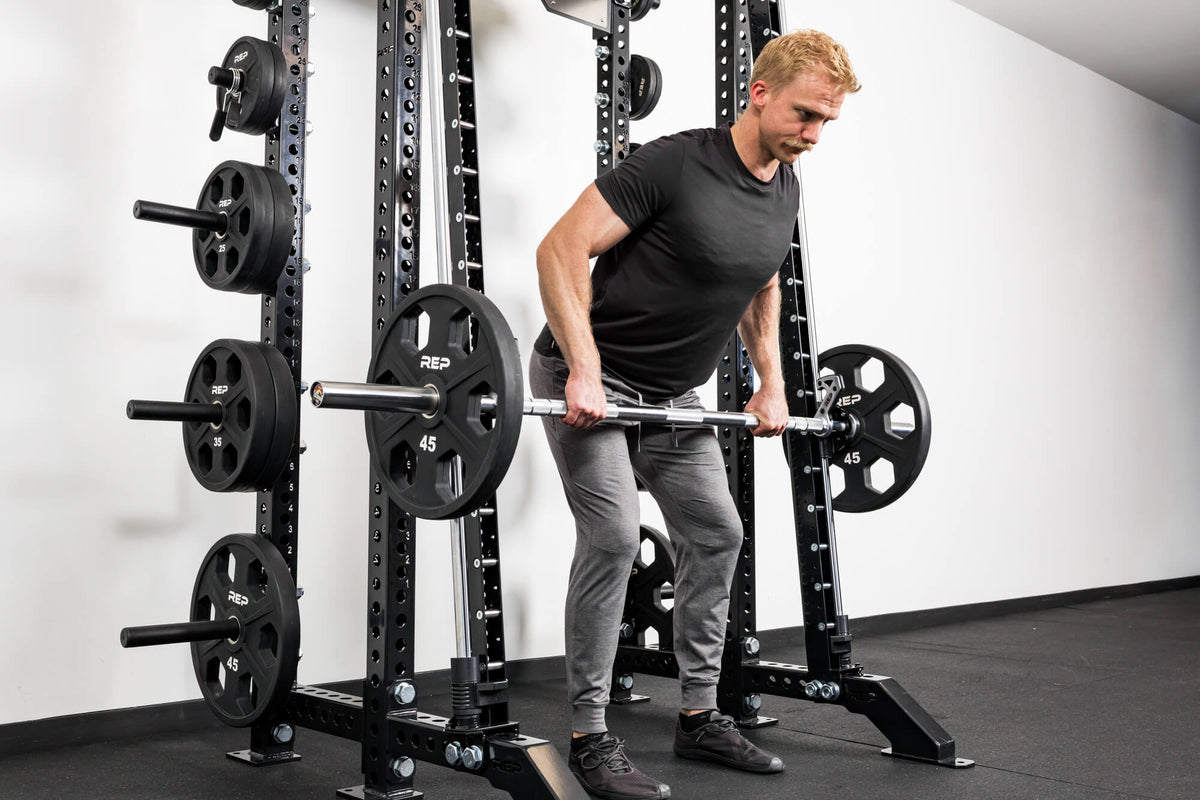
The primary objective remains the same
Develop a thicker, stronger back by training the rhomboids, trapezius, and latissimus dorsi through controlled horizontal pulling.
As a personal trainer, I like performing this exercise early in my back workout, after warming up with unilateral rowing movements and preparing my posterior deltoids. The guided bar path allows me to concentrate on consistent repetitions without managing as much bar movement as I would with a conventional barbell.
However, the Smith machine isn’t automatically better for everyone. Your body proportions, machine design, and comfortable range of motion should determine whether this variation suits you.
🟧 READ MORE
- How to Do Chest-Supported Seated Machine Rows: Isolate Your Mid-Back Without Lower-Back Fatigue
- Why We Only Train Muscles We Can See in the Mirror — And How to Fix It
Muscles Worked During Smith Machine Bent-Over Rows
Primary Movers
The latissimus dorsi, rhomboids, and middle trapezius are the major back muscles involved.
The lats contribute to shoulder extension, pulling your upper arms backward toward your torso. The rhomboids and middle trapezius contribute to scapular retraction, bringing your shoulder blades toward each other.
Your posterior deltoids also assist with moving your upper arms backward, particularly when your elbows travel outward.
Supporting and Stabilizing Muscles
Your biceps brachii, brachialis, and brachioradialis assist with elbow flexion during the pulling phase.
Meanwhile, your spinal erectors maintain the isometric contraction needed to hold your torso in a bent-over position. Your glutes and hamstrings help stabilize your hips, while your abdominal muscles brace your trunk.
Remember, the Smith machine guides the bar, not your torso. Your posterior-chain muscles still have an important job.
How to Do Smith Machine Bent-Over Rows Correctly
1. The Setup
Position yourself inside the Smith machine and adjust the bar height so you can comfortably unrack it without standing excessively upright.
Stand with your feet approximately hip to shoulder width apart. Hinge at your hips, bend your knees slightly, and lean your torso forward.
A torso angle of approximately 45 – 60 degrees relative to the floor is a useful starting point, although your exact position depends on your mobility, proportions, and machine setup.
Grab the bar using an overhand grip, slightly wider than shoulder width if comfortable.
2. The Initiation
Unrack the bar using the machine’s safety hooks and establish your hip-hinge position.
Keep your spine neutral, brace your core, and allow your arms to extend toward the floor. Your shoulders should remain controlled rather than excessively rounded.
Before pulling, make sure your feet are firmly planted and your torso is stable.
3. The Peak Contraction
Pull the bar toward your lower chest or upper abdomen, depending on your torso angle and the machine’s bar path.
Drive your elbows backward and squeeze your shoulder blades together as the bar approaches your body.
Avoid shrugging your shoulders or lifting your torso to generate momentum. Hold the contraction briefly while maintaining your hip-hinge position.
4. The Return
Lower the bar slowly toward the starting position, allowing your arms to extend naturally.
Control the eccentric phase rather than dropping the weight. Maintain your torso angle, core brace, and neutral spinal position throughout the repetition.
Once your arms reach a comfortable extension, begin the next repetition.
🟧 READ MORE
- The Rookie Gym Mistake That Guarantees Zero Muscle Growth for Months
- How Your Cortisol Levels Drop 10 Minutes After Holding This Exact Yoga Pose
Common Smith Machine Bent-Over Row Mistakes to Avoid
1. Losing Your Hip-Hinge Position
This is one of the biggest mistakes with bent-over rowing exercises. As the weight becomes challenging, lifters often raise their torso to make the movement easier.
Maintain a consistent hip-hinge position throughout the set. If you cannot keep your torso angle stable, reduce the resistance.
2. Allowing One Side to Compensate
Although this is a bilateral exercise, both arms don’t necessarily contribute equally. One side may be stronger or more coordinated, allowing it to compensate for the weaker side.
I recommend including unilateral dumbbell rows in your warm-up or training program. They allow you to assess each side independently and identify potential strength differences.
However, don’t use excessively heavy warm-up sets. The objective is to prepare your muscles, not fatigue them before your main exercise.
3. Neglecting Your Lower Back and Glutes
Your middle back might be the primary training target, but your spinal erectors, glutes, hamstrings, and core are working to stabilize your body.
Prepare your posterior chain with appropriate light warm-up movements. Bodyweight hip hinges, glute bridges, and controlled back extensions are useful options.
You don’t need to fatigue these muscles before rowing. Simply prepare them for the stabilization demands ahead.
4. Using Too Much Weight
The guided bar path can make the exercise feel easier to control, encouraging lifters to load more weight than their technique allows.
A weightlifting belt can provide additional abdominal bracing feedback during challenging sets, while wrist straps can help if grip strength limits your pulling performance.
Neither is compulsory. Proper bracing and controlled execution should come first.

5. Ignoring Lower-Back Discomfort
If maintaining a bent-over position causes lower-back discomfort, don’t force yourself to continue.
Consider switching to Chest-Supported T-Bar Rows or Chest-Supported Seated Machine Rows. Both reduce the need to maintain an unsupported hip hinge.
Persistent pain or radiating symptoms deserve appropriate professional assessment.
6. Performing Shortened Repetitions
Don’t sacrifice your range of motion to lift heavier weights. Pull the bar toward your torso and lower it under control until your arms reach a comfortable extension.
Also, avoid bringing the bar excessively high if doing so changes your torso position or causes uncomfortable shoulder movement.
7. Skipping Posterior Deltoid Preparation
Your rear deltoids contribute to rowing movements, particularly when your elbows travel outward.
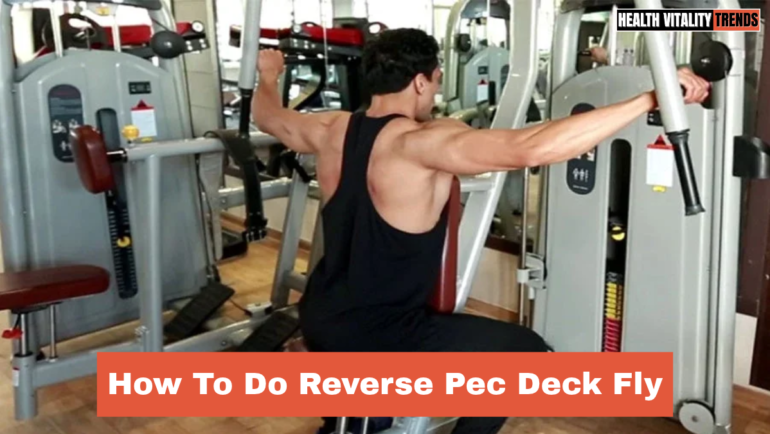
I recommend including light Face Pulls, Reverse Pec Deck Flyes, or Chest-Supported Reverse Dumbbell Flyes as part of your shoulder warm-up.
And remember to prepare your back with lighter rowing sets before your working weight.
Want more practical exercise breakdowns and personal-trainer-approved gym techniques? Follow our Facebook page for regular strength-training advice and fitness guides.
Sets, Reps, and Training Tips
The Smith Machine Bent-Over Rows can serve as one of your primary horizontal pulling exercises during back day.
After one or two progressively heavier warm-up sets, perform 3 to 4 working sets of 10 – 12 repetitions. You can occasionally extend to 15 repetitions if your technique remains consistent.
Allow approximately 2 – 3 minutes of recovery between challenging working sets.
Progressively increase resistance when you can complete your target repetitions without losing your hip-hinge position or compromising your range of motion.
A lifting belt is optional, not a requirement for every set. Focus on proper abdominal bracing and choose a manageable working weight.
🟧 READ MORE
- Stop Doing Crunches If You Actually Want A Visible Six-Pack
- I Realized My Right Leg Was Doing All The Work — So I Fixed It
Who Should Do Smith Machine Bent-Over Rows?
If your goal is to develop a thicker back, this exercise is worth including in your resistance-training program.
It’s particularly useful for bodybuilders and regular gym-goers who want to train their back through horizontal pulling without managing the unrestricted movement of a free barbell.
Older adults can also benefit from appropriately programmed resistance exercises to maintain muscle mass and upper-body strength. However, this particular variation requires sufficient hip mobility, balance, and the ability to maintain a comfortable bent-over position.
Those who struggle with unsupported torso positioning may find chest-supported rowing variations more appropriate.
Alternative Exercises for Building Back Thickness
You don’t have to depend on the Smith machine to develop your middle back. These alternatives provide different resistance profiles and stabilization demands.
Machine Exercises
- Chest-Supported Seated Rows: A padded chest support reduces the need for lower-back stabilization while allowing you to train your rhomboids, trapezius, and lats. (Check Exercise Here)
- Chest-Supported T-Bar Rows: A plate-loaded or machine-based rowing variation that allows you to train your back without maintaining an unsupported hip hinge. (Check Exercise Here)
- Conventional T-Bar Rows: A compound rowing exercise that requires additional trunk stabilization while targeting the major back muscles. (Check Exercise Here)

Barbell Exercises
- Bent-Over Barbell Rows: A traditional free-weight rowing exercise that develops back strength and thickness while requiring considerable core and posterior-chain stabilization.
Dumbbell Exercises
- Incline Chest-Supported Dumbbell Rows: Performed on an inclined bench, this variation minimizes lower-back stabilization demands.
- Bent-Over Dumbbell Rows: A free-weight variation that allows independent arm movement while requiring trunk stabilization.
- One-Arm Dumbbell Rows: An effective unilateral exercise for training each side independently and identifying strength imbalances.
Cable Exercises
- Wide-Grip Seated Cable Rows: A horizontal pulling variation that emphasizes the upper and middle back, depending on elbow positioning.
- Close-Grip Seated Cable Rows: Generally allows a more tucked elbow path, increasing the contribution of the lats.
- Chest-Supported Incline Cable Rows: Combines cable resistance with chest support to reduce the need for unsupported torso stabilization.
Final Thoughts
Smith Machine Bent-Over Rows offer a practical way to train your back with a guided bar path and consistent movement mechanics.
But remember, the machine doesn’t do the work for you. Your back muscles still need to pull, and your posterior chain must maintain a stable torso position.
Focus on your hip hinge, control every repetition, and progressively increase resistance without compromising technique.
For short daily fitness tips, practical training advice, and more exercise breakdowns, join the Health Vitality Trends WhatsApp community. Stay connected and make every back workout count.
Editor’s Note: This content is for informational and educational purposes only and is not intended to diagnose, treat, or cure any medical condition. Always consult your physician or a qualified personal trainer before starting any workout or nutrition program.




2 Comments