


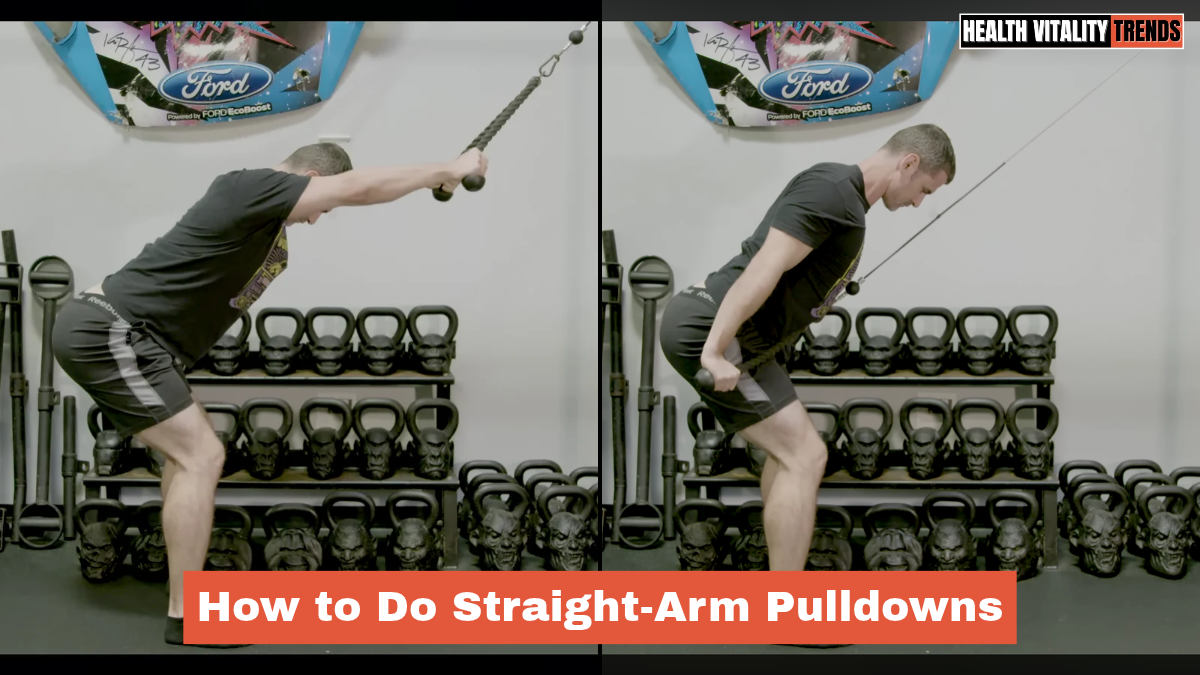
How to Do Straight-Arm Pulldowns: Isolate Your Lats and Build the Ultimate V-Taper
Strengthen your lats with controlled shoulder extension and build a wider, more defined V-taper.
If you want a muscular, V-shaped back, your training routine needs more than just rows and pull-ups.
In back training, two major movement patterns deserve attention. The first is horizontal pulling, where you bring resistance toward your torso using rowing exercises. These movements recruit the lats, rhomboids, trapezius, and other upper-back muscles.
The second is vertical pulling, which includes pull-ups and lat pulldowns. These exercises primarily involve shoulder adduction and extension, helping develop your latissimus dorsi and overall back width.
Both are important. But there’s another cable exercise I particularly enjoy incorporating into my back workouts — Straight-Arm Cable Pulldowns.

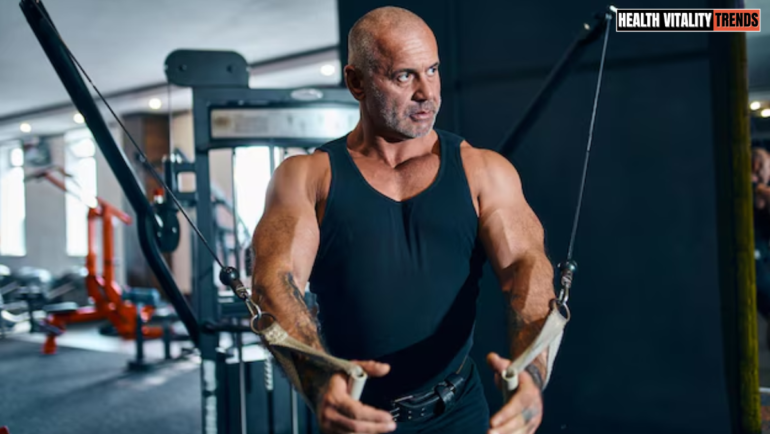
As a personal trainer, I consider this one of my favourite lat-focused finishing exercises. Unlike conventional pulldowns and seated rows, straight-arm pulldowns minimize elbow movement and emphasize shoulder extension, allowing you to train the lats without relying heavily on your biceps.
And although the exercise looks relatively simple, the real challenge is maintaining the correct shoulder movement and feeling your lats perform the work.
If you’re struggling to develop your lower lats, this exercise deserves your attention.
🟧 READ MORE
- How to Do Cable Face Pulls: The Non-Negotiable Exercise for Posture and Shoulder Health
- Why We Only Train Muscles We Can See in the Mirror — And How to Fix It
Straight-Arm Pulldowns Muscles Worked
Primary Movers:
- Latissimus Dorsi: The primary target of straight-arm pulldowns. These large back muscles extend your shoulders as you pull your arms downward, contributing to back width and the V-taper appearance.
- Teres Major: Assists the lats with shoulder extension and contributes to upper-arm movement during the pulling phase.
Supporting and Stabilizer Muscles:
- Long Head of Triceps: Helps stabilize the shoulder joint during shoulder extension, although it is not the primary target.
- Posterior Deltoids: Assist with shoulder extension and help control upper-arm movement.
- Core Muscles: Help maintain a stable torso and prevent excessive spinal movement.
- Forearm Muscles: Maintain a secure grip on the rope or bar attachment.
Step-by-Step Execution: How to Do Straight-Arm Pulldowns
1. The Setup
Attach a straight bar or rope attachment to a high cable pulley. Stand facing the machine with your feet approximately shoulder-width apart.
Grab the attachment using an overhand grip. Step backward until the cable is under tension, then hinge slightly forward at your hips.
Maintain a stable torso, neutral spine, and slightly bent knees. Your arms should be extended in front of you, with your elbows maintaining a small, fixed bend.
2. Initiate the Pull
Begin pulling the attachment downward by extending your shoulders.
Keep your elbows almost straight throughout the movement. Think about bringing your upper arms toward your hips rather than bending your elbows to pull the weight.
Maintain your torso position and avoid using momentum to initiate the repetition.
3. The Peak Contraction
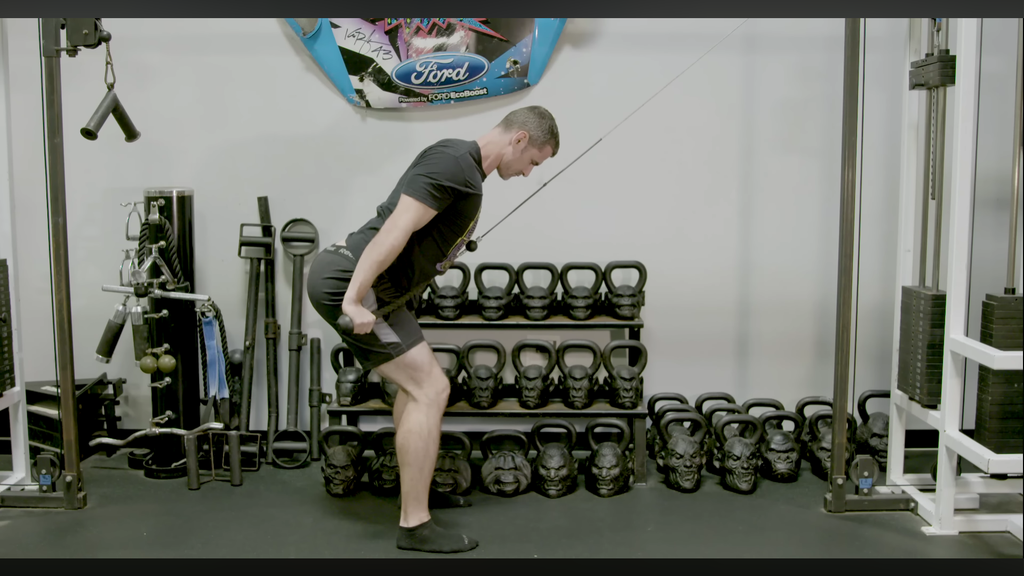
Continue pulling until your hands reach your upper thighs or hips.
At this point, your arms should be positioned alongside your torso. Pause briefly and squeeze your lats.
Focus on contracting the muscles along the sides of your back rather than simply forcing the attachment downward.
4. The Return
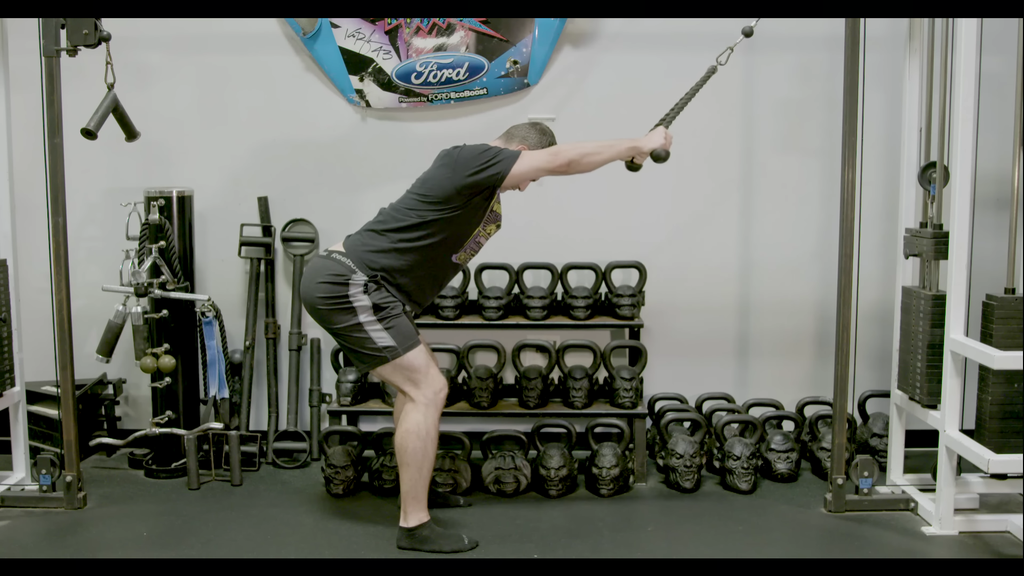
Slowly raise your arms toward the starting position while maintaining the same slight elbow bend.
Allow your shoulders to move into controlled flexion as the cable travels upward. Feel your lats lengthen under resistance without allowing your shoulders to collapse or your lower back to excessively arch.
Repeat the movement with controlled repetitions.
🟧 READ MORE
- Why Thoracic Mobility Is Important for Healthy Movement
- I’m a Personal Trainer — Here’s Why Yoga Can Be Useful Even if You Already Lift Weights
Common Mistakes to Avoid
1. Excessive Elbow Movement
One of the most common mistakes beginners make is bending their elbows too much during Straight-Arm Pulldowns.
Remember, this is primarily a shoulder-extension exercise. Maintain a slight, consistent elbow bend rather than repeatedly flexing and extending your elbows.
Excessive elbow movement turns the exercise into something closer to a triceps-assisted pulldown or rowing movement.
2. Rounding Your Shoulders and Upper Back
Avoid excessively rounding your upper back or allowing your shoulders to collapse forward while bending at the hips.
Maintain a stable trunk and controlled shoulder position throughout the movement.
3. Using Excessive Weight
Heavy resistance often encourages unnecessary body movement and elbow flexion.
If you cannot maintain your arm position or control the cable throughout the repetition, reduce the weight. Your goal is to train your lats, not simply move the weight stack.
4. Pulling the Attachment Too High or Too Low
For a conventional Straight-Arm Pulldown, aim to bring the attachment toward your upper thighs.
Avoid stopping around your chest or forcing your hands excessively behind your hips. Both can interfere with maintaining the intended movement pattern.
5. Turning It Into a Rowing Exercise
If you repeatedly bend your elbows and pull the attachment toward your abdomen, you’re changing the exercise mechanics.
Keep the elbow angle relatively fixed and let shoulder extension drive the movement.
6. Performing Partial Repetitions
Don’t sacrifice your range of motion just to lift heavier weights.
Allow your arms to travel upward under control and pull them down until they reach your thighs. Use a comfortable range that allows you to maintain proper shoulder mechanics.
7. Using Momentum
This is particularly important.
Avoid jerking the cable during either the concentric or eccentric phase. Move smoothly, pause briefly at peak contraction, and control the return.
Don’t rush through repetitions. Feel the muscles working.
Want more practical exercise techniques and personal trainer insights? Follow our Facebook page for regular workout guidance, strength-training tips, and muscle-building advice.
Sets, Reps, and Training Tips
Straight-Arm Pulldowns can be used as a light lat activation exercise before heavier back training or as a finishing movement after your primary compound exercises.
Personally, I prefer using them toward the end of my back workout. After completing rows and lat pulldowns, I use moderate resistance to finish with controlled repetitions and a strong lat contraction.
Start with 2 progressive warm-up sets, followed by 3 to 4 working sets of 12 – 15 repetitions. You can occasionally increase the repetitions to 15 – 20 when using lighter resistance.
Allow approximately 60 to 120 seconds of rest between sets, depending on your recovery and training intensity.
Focus on maintaining a consistent elbow angle, controlling the eccentric phase, and achieving a comfortable range of motion.
You don’t need a weightlifting belt for this exercise. Proper hip positioning, trunk stability, and controlled resistance are more important.
🟧 READ MORE
- This Beginner Yoga Pose Relieves Lower Back Stiffness in Adults Over 50
- Fitness Expert Says Men Over 60 Should Prioritize These Strength Exercises
Who Should Try Straight-Arm Pulldowns?
If your primary goal is developing your lats and improving your V-taper, Straight-Arm Pulldowns are an excellent accessory exercise.
Many lifters concentrate heavily on rowing movements to develop back thickness but overlook exercises that emphasize shoulder extension with minimal elbow involvement.
Straight-Arm Pulldowns help fill that gap.
They’re also useful for beginners who struggle to feel their lats during conventional pulldowns because they reduce the demands of elbow flexion. However, proper technique and manageable resistance remain essential.
Older adults can also incorporate appropriately scaled versions into resistance-training programs to maintain upper-body strength and muscle mass.
Alternative Exercises for Lat Development
If you want to develop your lats from different angles, consider incorporating these alternatives into your training routine.
Machine Exercises
- Chest-Supported Seated Rows: Provides a stable horizontal pulling movement that trains the lats and middle-back muscles. (Check Exercise Here)
- Chest-Supported T-Bar Rows: Allows you to progressively load the back while minimizing lower-back stabilization demands. (Check Exercise Here)
- Smith Machine Underhand-Grip Bent-Over Rows: A compound rowing exercise that emphasizes shoulder extension and involves the lats and elbow flexors. (Check Exercise Here)
- Nautilus Machine Pullovers: A shoulder-extension exercise that directly emphasizes the latissimus dorsi without substantial elbow movement.
Dumbbell Exercises
- Dumbbell Pullovers: Trains the lats through shoulder extension while also involving the pectoralis major, depending on technique and individual movement mechanics.
- One-Arm Dumbbell Rows: An excellent unilateral exercise for developing the lats and addressing side-to-side strength differences.

Cable Exercises
- Chest-Supported Incline Cable Rows: Combines horizontal pulling with chest support for controlled back training.
- Underhand Narrow-Grip Seated Cable Rows: Emphasizes shoulder extension and lat involvement through a close, supinated grip.
- Incline Single-Arm Cable Pulldowns: Allows unilateral lat training through a controlled shoulder-adduction and extension pattern.
Final Takeaway
Straight-Arm Pulldowns are an excellent addition to your back workout when you want to emphasize lat development without relying heavily on elbow flexion. Keep your elbows slightly bent, control the cable, and focus on shoulder extension rather than simply moving the weight.
Want to improve your fitness knowledge one day at a time? Join our WhatsApp community for short daily fitness tips, practical training advice, strength and conditioning guidance, and nutrition insights.
Editor’s Note: This content is for informational and educational purposes only and is not intended to diagnose, treat, or cure any medical condition. Always consult your physician or a qualified personal trainer before starting any workout or nutrition program.





1 Comment