No Mat? No Problem. Use a Blank Wall for These 5 Deep Flexibility Poses
Want to loosen tight muscles but don’t have a yoga mat nearby? No problem. You don’t need a fully equipped home gym or yoga studio to work on your flexibility. A simple, sturdy wall can provide enough support for a quick mobility session, whether you’re at home, in your office, or traveling.
As a personal trainer, I recommend these five wall-supported poses to help you work on flexibility, reduce feelings of stiffness, and move more comfortably. They offer practical benefits comparable to traditional mat-based stretching routines when performed with proper technique and consistency.
🟧 READ MORE
- If Your Hips Always Feel Tight, Try Adding These Game-Changing Stretches To Your Routine
- The Simple Balance Test That Reveals Why Your Stride Is Imbalanced
1. Wall-Supported Standing Forward Fold (Uttanasana)
If your hamstrings feel tight or you struggle to bend forward comfortably, this supported variation of Uttanasana can help. By positioning your hips against a wall, you get additional stability while gently folding your upper body toward the floor. It allows you to focus on stretching your hamstrings and lengthening your spine without worrying as much about losing balance.
How to do it:
- Stand with your back facing a wall, keeping your heels approximately 6 to 12 inches away from it.
- Position your feet hip-width apart and gently rest your hips against the wall.
- Slowly hinge forward from your hips, allowing your upper body to fold toward the floor.
- Keep your knees slightly bent if your hamstrings feel tight, and let your arms hang naturally or reach toward the floor.
- Relax your neck and breathe steadily while maintaining the supported position.
- Hold for 20 – 30 seconds, then slowly engage your core and return to standing.
Why it works: The wall provides additional balance and positional support while you stretch your hamstrings, glutes, and lower back. Avoid forcing your hands toward the floor or rounding your back excessively.
2. Wall-Supported Chest Opener
When you spend most of your day working at a desk, rounded shoulders and a tight chest can make your upper body feel restricted. This stretch helps open things up.
How to do it:
- Stand sideways next to a wall.
- Now extend the arm closest to the wall and place your palm against it around shoulder height.
- Slowly rotate your chest away from your extended arm.
- Stop when you feel a comfortable stretch across your chest and front shoulder.
- Hold for 20 to 30 seconds, then switch sides.
Why it works: Targets the pectoral muscles and encourages comfortable shoulder mobility.
Enjoy practical fitness tips like these? Follow our Facebook page for more trainer-guided mobility exercises, strength routines, and everyday fitness advice.
3. Wall-Supported Calf Stretch
Tight calves can make walking, climbing stairs, and squatting feel less comfortable. This simple stretch gives your lower legs some attention.
How to do it:
- Face the wall and place both palms against it.
- Step one foot backward while keeping the other foot forward.
- Keep your back leg straight and press its heel gently toward the floor.
- Lean forward slightly until you feel a stretch in your calf.
- Hold for 20 – 30 seconds and switch legs.
Why it works: Stretches the gastrocnemius and supports ankle mobility.
🟧 READ MORE
- How to Stay Active on Your Rest Days Without Burning Out (Plus a Simple Home Yoga Flow)
- This Quick, Full-Body Yoga Flow Is Specifically Designed To Upgrade Your Daily Balance And Mobility
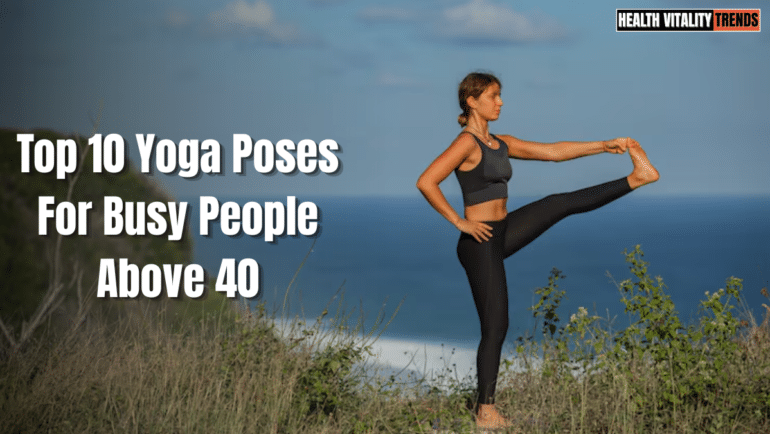
4. Wall-Supported Standing Quad Stretch
If your thighs feel stiff after walking, running, or leg training, this standing stretch is worth adding to your routine.
How to do it:
- Stand sideways next to the wall and place one hand against it.
- Bend your opposite knee and bring your heel toward your glutes.
- Hold your ankle with your free hand.
- Keep your knees relatively close and gently tuck your pelvis.
- Hold for 20–30 seconds before changing legs.
Why it works: Targets the quadriceps and encourages hip extension mobility.
5. Wall-Supported Downward Dog
Want a deeper full-body stretch without getting down on the floor? This wall variation is an excellent option.
How to do it:
- Stand facing the wall, approximately an arm’s length away.
- Place both palms against the wall at shoulder height.
- Slowly walk your feet backward while pushing your hips toward the back.
- Lengthen your spine and keep your knees slightly bent if your hamstrings feel tight.
- Hold for 20–30 seconds, breathing steadily.
Why it works: Encourages mobility through the shoulders, upper back, hips, and hamstrings.
Want short daily fitness tips and practical training advice delivered directly to your phone? Join the Health Vitality Trends WhatsApp Community and make everyday movement part of your routine.
Editor’s Note: This content is for informational and educational purposes only and is not intended to diagnose, treat, or cure any medical condition. Always consult your physician or a qualified personal trainer before starting any workout or nutrition program.