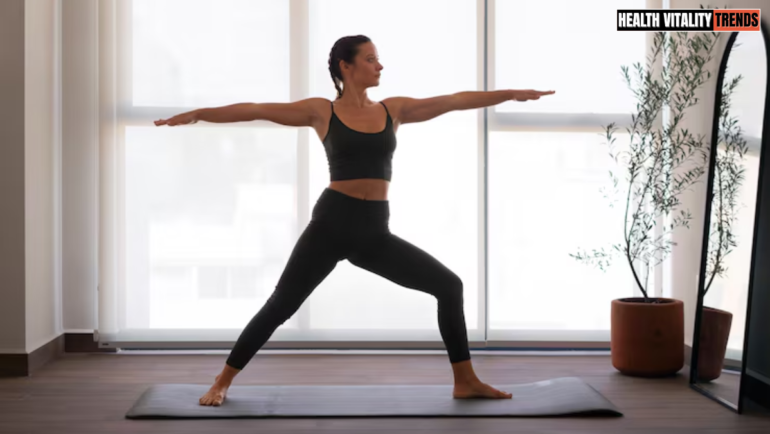
I’m a Personal Trainer — Try These 5 Yoga Poses When Your Upper Back Feels Tight
Believe me, nowadays, more and more individuals who work a desk job are complaining about stiffness, aches, or irritation in their upper back. Yes, long periods of sitting can leave your upper back muscles feeling fatigued, especially when you spend much time of your day leaning towards a computer screen or keeping your head tilted forward.
Well, the problem isn’t sitting itself. But staying in one position for too long, limited movement, and sustained postures can contribute to discomfort and stiffness around your upper back and shoulders.
As a personal trainer, I encourage people with sedentary jobs to build a habit of short breaks between their workday. You don’t need an intense stretching session to get started. These five yoga poses can help you gently move your spine, ease muscle tension, and feel more comfortable after a long day of sitting.
🟧 READ MORE
- A Fitness Expert Explains How to Turn Your Daily Walk Into a Full-Body Workout
- This 10-Minute Routine Can Help Strengthen Your Abs and Improve Posture
- Yoga After 40: The Mobility Habit Experts Recommend
1. Cat-Cow Pose
How it helps: Cat-Cow gently moves your spine between rounding and arching. This can help to ease stiffness in the upper back and encourage movement after long hours of sitting. Learn how to do a near-perfect Cat-Cow from the above-demonstrated video.
How to do it:
- On a clean gym mat, get on your hands and knees, with your wrists beneath your shoulders and knees beneath your hips.
- Now inhale, gently lift your chest, and let your back arch slightly.
- Exhale, round your upper back, tuck your chin, and gently draw your shoulder blades apart.
- Repeat this movement slowly for 8–10 comfortable repetitions.
Note: Avoid forcing your neck or lower back into an extreme position.
2. Thread the Needle
How it helps: This pose gently rotates your upper spine while stretching the muscles around your shoulders and shoulder blades. It can be very useful, especially if your upper back feels tight after leaning forward over a laptop for too long.
How to do it:
- Begin on your hands and knees.
- Slide your right arm underneath your left arm, then turn your chest gently toward the left side.
- Lower your right shoulder and the side of your head toward the mat if comfortable.
- Hold for 20-30 seconds while breathing slowly, then repeat with other side.
Note: Keep the movement gentle rather than forcing your shoulder toward the floor.
Want more simple ways to stay active between workouts? Follow our Facebook page for practical fitness tips you can fit into a busy day.
3. Child’s Pose With Side Reach
How it helps: Child’s Pose promotes relaxation through your back and shoulders; reaching your hands to one side adds a gentle stretch along the opposite side of your upper back.
How to do it:
- Kneel on a mat and sit your hips back toward your heels.
- Extend both arms forward and lower your chest as far as comfortable.
- Walk both hands toward the right and breathe into the left side of your upper back.
- Hold pose for 20-30 seconds, then repeat on the other side.
4. Puppy Pose
How it helps: The Puppy Pose stretches the shoulders and upper back simultaneously while encouraging gentle movement through the chest. It may help to correct the rounded-shoulder position many people adopt while working at a desk.
How to do it:
- Start on your hands and knees.
- Keep your hips above your knees as you walk your hands forward.
- Lower your chest toward the floor while keeping your neck comfortable.
- Hold this position for 20-30 seconds.
Note: If you feel pressure in your shoulders or lower back, reduce the depth of the stretch.
🟧 READ MORE
- Want a Better Warm-Up Before Strength Training? I’m a Personal Trainer — Try These Yoga-Inspired Moves
- This Gentle Yoga Pose Can Help Release Lower Back Tension
- Feeling Stiff After Working From Home? I’m a Personal Trainer — Try These 5 Yoga Poses
5. Eagle Arms Stretch
How it helps: This seated or standing stretch targets the muscles around your shoulder blades and the back of your shoulders. These are the areas that may often feel tight after prolonged use of desktop computers.
How to do it:
- Sit or stand tall and extend your arms in front of you.
- Cross your right arm over your left at the elbows.
- Bend your elbows and bring your palms together if possible, or simply press the backs of your hands together.
- Gently lift your elbows and draw your hands forward until you feel a comfortable stretch between your shoulder blades.
- Hold for 20–30 seconds, then switch the arm crossing.
Make Movement Part of Your Workday
Frankly, you don’t have to wait until your upper back feels uncomfortable to move. You can — stand up regularly, change positions, walk briefly, and adjust your workstation so your screen is at a comfortable height. Even a few minutes of these movements anytime of the day can help break up prolonged sitting.
Try these five poses as a gentle routine, spending about five minutes on them and breathing steadily throughout. The goal is to have comfortable movement, but not pushing through pain.
If your discomfort is severe, persistent, worsening, or accompanied by chest pain, shortness of breath, numbness, or weakness, seek appropriate medical care rather than relying on stretching alone.
Want simple fitness advice delivered regularly? Join our WhatsApp community for short daily fitness tips, training advice, mobility routines, and practical ways to stay active—even when your schedule keeps you sitting for hours.
Editor’s Note: This content is for informational and educational purposes only and is not intended to diagnose, treat, or cure any medical condition. Always consult your physician or a qualified personal trainer before starting any workout or nutrition program.