Doctor Explains How Strength Training May Help Slow Down the Aging Process
Often, when people talk about slowing down aging or reversing aging, the conversation usually revolves around healthy eating, supplementation, and skincare first. Strength training rarely gets the same attention. However, experts say building and maintaining muscles could be one of the most effective habits for staying healthy and independent as we age.
In a podcast published by Mid-Atlantic Permanente Medicine, host Dr. Ashlee Williams spoke with Dr. Katie Ryder about how strength training can support healthy aging and why it deserves a place in almost everyone’s routine.
🟧 READ MORE
- Fitness Coach Shares 5 Supplements Men Over 50 May Need to Support Muscle Growth and Strength
- Sports Physiologist Says This Is How Much Protein You Need Per Day to Build Muscle
- Trainers Say Pull-Ups After 40 Can Still Build Serious Upper-Body Strength — If You Avoid These Common Mistakes
What Counts as Strength Training?
According to Dr. Ryder — any activity that challenges your muscles against resistance can qualify as a strength exercise. This includes traditional weight lifting in a gym, resistance band exercise, bodyweight training, aka calisthenics, and even certain yoga poses. All these activities help to build strength while also improving balance, coordination, and mobility — all of which become extremely important with aging.
How Strength Training Supports Healthy Aging
Dr. Ryder explains that — your muscles are an important factor of your overall well-being. Strong muscles support healthy bones, improve balance, and help people to stay physically independent at an older age. Resistance training can also contribute to better metabolic health, making it easier for the body to regulate blood sugar and use energy efficiently.
Also, people may notice benefits from strength training sooner than they realize. Dr. Ryder highlights that people may experience positive changes in metabolism, insulin sensitivity, mood, and cognitive function within days of introducing weight training in their routine. Consequently, over the long term — resistance training may improve major bodily systems, that include the heart, brain, bones, and muscles.

Can Strength Training Help With Weight Loss?
Another area where strength training can be helpful is to boost weight/fat loss process. While Dr. Ryder emphasizes that nutrition remains the most important factor for weight loss, combining it with resistance training can speed up the process. Because building muscles increases the body’s energy needs, which means more calories are burned throughout the day, even at rest.
How To Get Started with Strength Training
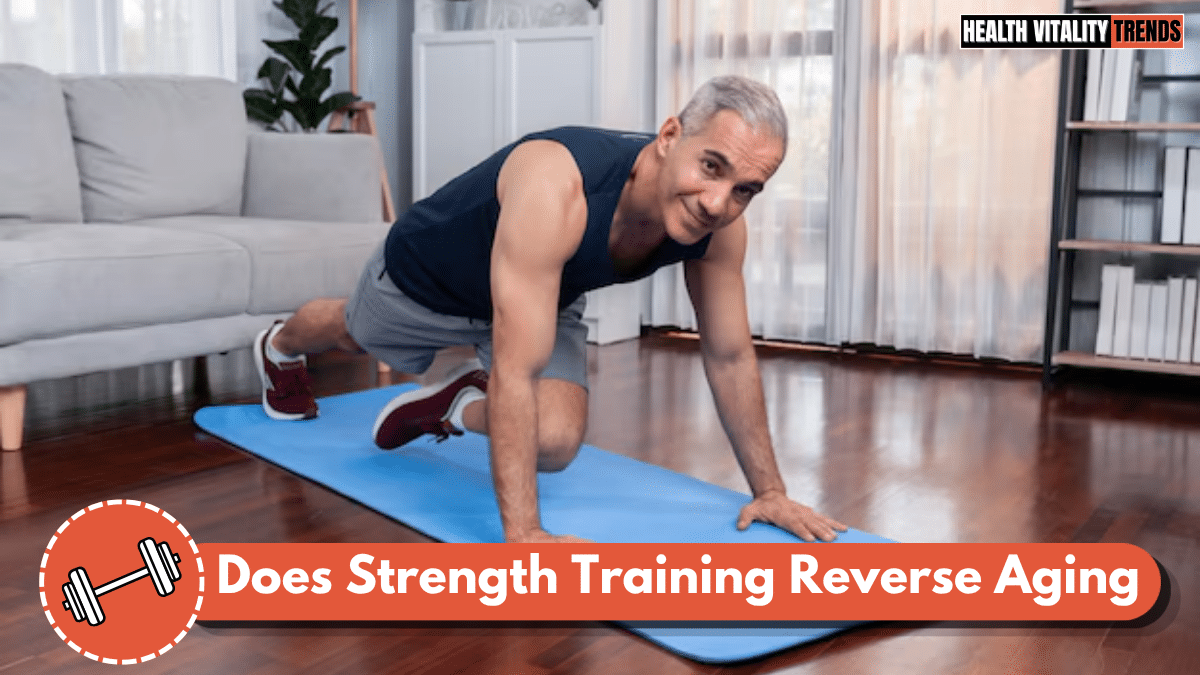
Dr. Ryder says — whoever feels intimidated by the idea of working out, start by doing light movements. She says, you do not need an expensive gym membership or any advanced equipment to begin with. A yoga mat and a few basic calisthenics exercises are enough to begin with. Begin with simple movements like push-ups, planks, sit-ups, or pull-ups while gradually increasing intensity as your fitness level improves.
The takeaway according to Dr. Katie Ryder is simple — Strength training is not only about building muscle for appearance, but for functionality too. Combine it with proper nutrition, and it will help you to preserve strength, mobility, and overall health as the years go by — making muscles a valuable asset for aging well at any stage of life.
Editor’s Note: This content is for informational and educational purposes only and is not intended to diagnose, treat, or cure any medical condition. Always consult your physician or a qualified personal trainer before starting any workout or nutrition program.