


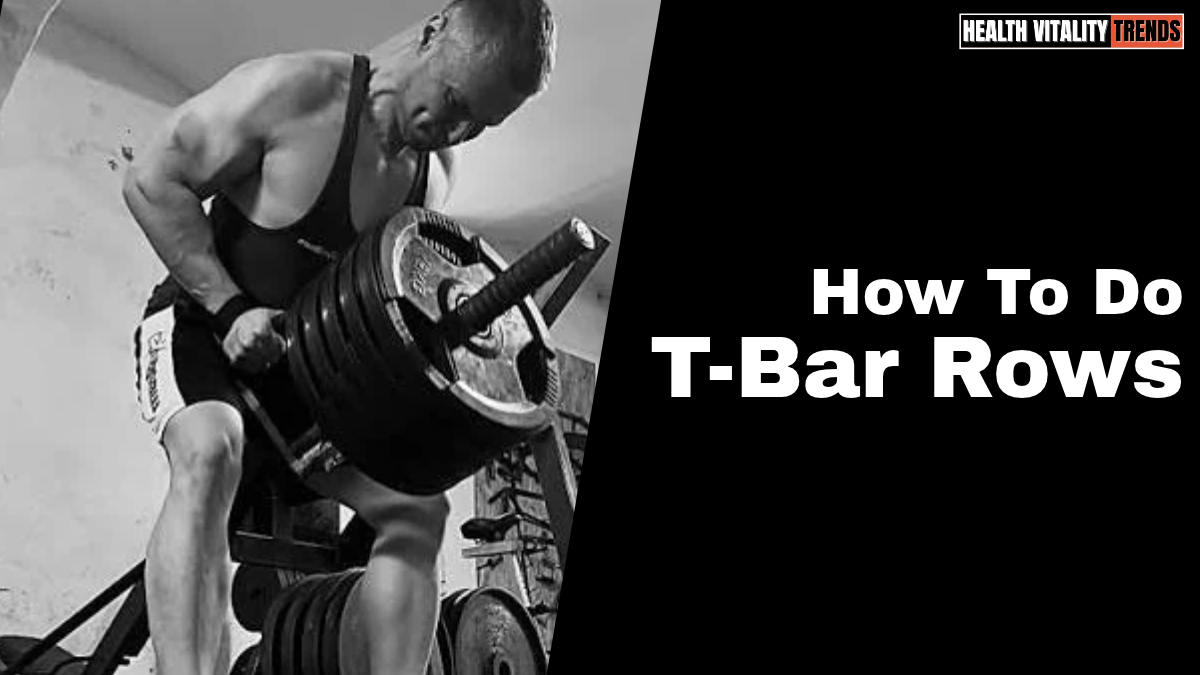
How To Do T-Bar Rows: Heavy Lifting Mechanics for Thick, Dense Lats
The strongest backs aren’t built through width alone. They need thickness, depth, and serious rowing strength. The T-bar row delivers all three when performed with proper mechanics.
If your back looks wide from the front but lacks muscular depth from behind, your training might need more rowing movements.
Pull-ups and Lat Pulldowns are excellent for developing back width, but rowing exercises deserve equal attention. They train the Latissimus Dorsi, Rhomboids, and Trapezius muscles, helping develop the thickness and three-dimensional appearance that separates a well-developed back from a merely wide one.
The T-bar Row is one of the classic compound exercises used throughout bodybuilding history. From Arnold Schwarzenegger’s golden era to Ronnie Coleman’s legendary back training, heavy rowing movements have remained a staple for building a thick, powerful back.
As a personal trainer, this is still one of my favourite back exercises. It challenges the middle back while requiring the entire posterior chain and core musculature to stabilize the body throughout the movement.
However, beginners may need some practice to maintain proper hip-hinge mechanics and spinal positioning. Once you understand the movement, the T-bar Row becomes an excellent exercise for progressively developing back strength and muscle mass.
And remember, lifting heavier isn’t automatically better. Your technique determines how effectively you train and how much unnecessary stress you place on your lower back.
🟧 READ MORE
- Why We Only Train Muscles We Can See in the Mirror — And How to Fix It
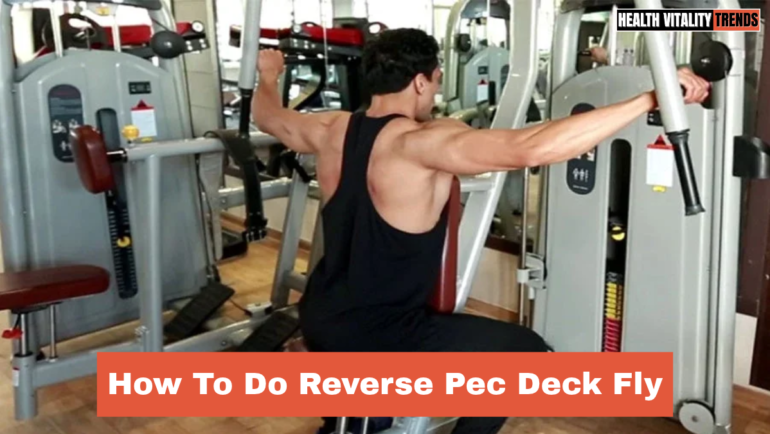
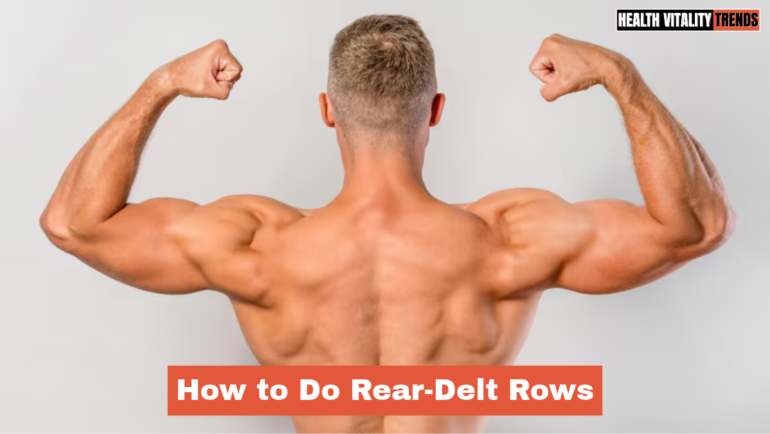
- How to Do Rear Delt Rows: Unlocking True Upper Back and Shoulder Balance
Muscles Worked During T-Bar Rows
The T-Bar Row is a compound pulling exercise involving several upper-body and trunk muscles.
Primary Movers
- Latissimus dorsi: The large muscles covering much of your back. They contribute to shoulder extension and adduction during the rowing movement, helping develop back width and thickness.
- Rhomboids: Located between the shoulder blades, these muscles assist scapular retraction, bringing your shoulder blades toward each other.
- Middle trapezius: Works alongside the rhomboids to retract and stabilize the shoulder blades.
- Lower and upper trapezius: Contribute to scapular control and positioning throughout the movement.
Supporting and Stabilizing Muscles
- Biceps brachii and brachialis: Assist with elbow flexion as you pull the handle toward your torso.
- Posterior deltoids: Assist shoulder extension and horizontal abduction.
- Forearm muscles: Maintain your grip throughout the exercise.
- Erector spinae: Stabilize your spine while maintaining the forward-leaning position.
- Glutes, hamstrings, and abdominal muscles: Help maintain hip-hinge positioning and trunk stability.
The exact muscular emphasis depends on your grip, elbow path, equipment, and torso position.
How to Do T-Bar Rows Correctly
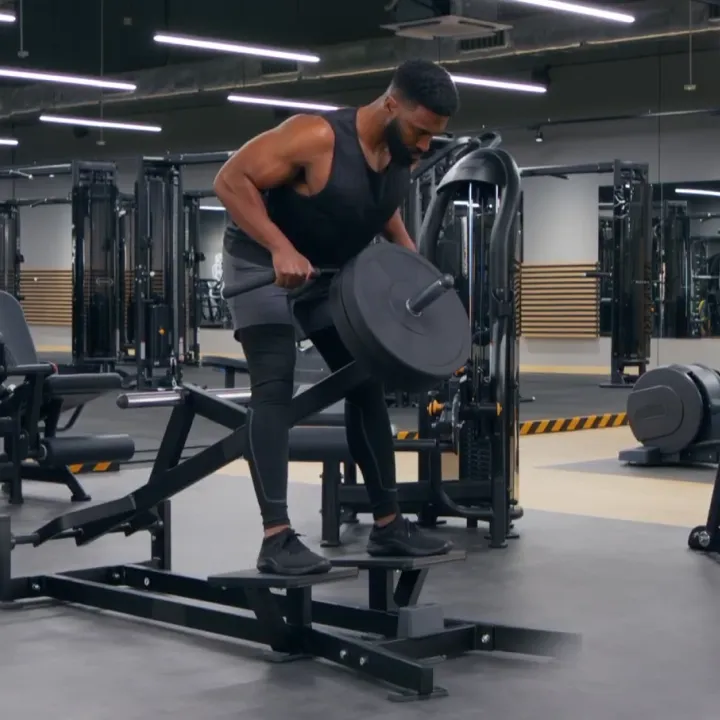
You can perform T-bar rows using a dedicated T-bar machine or a landmine setup with a suitable rowing attachment.
1. The Setup
Stand over the bar with your feet approximately shoulder-width apart. Position yourself so the handle is comfortably within reach.
Bend your knees slightly and push your hips backward, creating a hip hinge. Lean your torso forward while maintaining a neutral spine. A roughly 45-degree torso angle is a useful starting point, although the exact angle depends on your equipment and individual proportions.
Grip the handles firmly with both hands. Keep your arms extended naturally and your shoulders positioned without excessive rounding.
2. Initiate the Movement
Brace your core, maintain your hip-hinge position, and begin pulling the handle toward your lower chest or upper abdomen.
Drive your elbows backward rather than simply pulling with your hands. Keep your torso stable and avoid using your hips or lower back to generate momentum.
3. The Peak Contraction
When the handle approaches your torso, squeeze your shoulder blades together naturally.
Focus on contracting your middle back while keeping your elbows close to your body or slightly angled outward, depending on your grip and target emphasis.
Avoid excessively shrugging your shoulders or pulling the handle so far that your shoulders roll forward.
4. The Controlled Return
Slowly extend your arms and allow your shoulder blades to move forward naturally.
Maintain your neutral spinal position and controlled hip hinge throughout the eccentric phase. Don’t let the weight pull your torso downward or force your lower back to round.
Repeat for your desired repetitions.
Want more practical training advice? Follow our Facebook Page for exercise guides, strength-training tips, and practical fitness advice to improve your workouts.
🟧 READ MORE
- Deadlifts After 45: The Strength Benefits Many Lifters Don’t Expect
- The Rookie Gym Mistake That Guarantees Zero Muscle Growth for Months
Common T-Bar Row Mistakes to Avoid
1. Changing Your Torso Position
One of the biggest mistakes is constantly changing your forward-leaning position during repetitions. Maintain a consistent hip hinge rather than becoming increasingly upright as the weight gets heavier.
2. Lifting Excessively Heavy Weights
Heavy T-bar rows place considerable demands on your trunk musculature. Research comparing rowing variations found that standing bent-over rows produced substantial lumbar spine loading alongside back-muscle activation.
If you cannot maintain proper positioning, reduce the weight. A lifting belt may help experienced lifters brace during heavier sets, but it doesn’t eliminate spinal loading or guarantee injury prevention.
3. Rounding Your Back
Avoid hunching or excessively flexing your lumbar spine while pulling. Maintain a controlled, neutral spinal position and brace your abdominal muscles before each repetition.
4. Neglecting Your Warm-Up
I recommend starting with one or two lighter T-bar row warm-up sets of approximately 15 to 20 repetitions. This prepares you for the movement and helps you establish proper technique before increasing resistance.
You don’t need separate heavy biceps curls or rear-delt exercises to prepare these assisting muscles. A general warm-up and progressively heavier rowing sets are usually sufficient.
5. Ignoring Lower-Back Discomfort
If maintaining the bent-over position causes discomfort, consider switching to Chest-Supported T-bar Rows. The chest support reduces the need to stabilize your torso against gravity, making it a practical alternative for people who struggle with unsupported rowing.
Don’t push through persistent or sharp pain.
6. Neglecting Shoulder Control
Your posterior deltoids and scapular stabilizers contribute to rowing mechanics. Exercises such as Face Pulls or Chest-Supported Reverse Dumbbell Flyes can complement your back training, although they aren’t mandatory warm-up exercises.
Sets, Reps, and Training Tips
The back is a large muscle group, and developing it requires sufficient training volume, recovery, and progressive overload.
As a starting point, I recommend:
- Working sets: 3 to 4 sets.
- Repetitions: 8 – 12 repetitions, with 15 as an upper limit for lighter sets.
- Rest periods: 2 – 3 minutes between challenging working sets.
- Warm-up: 1 to 2 progressively heavier warm-up sets.
If T-bar rows are your primary compound back exercise, you can occasionally perform a fourth or fifth working set, provided your technique and recovery remain consistent.
Prioritize controlled repetitions over chasing heavier numbers. And remember, a weightlifting belt is optional rather than compulsory. Learn proper bracing and lifting mechanics first.
🟧 READ MORE
- These 6 Beginner-Friendly Yoga Poses Melt Away Lower Back Tension and Tight Hips in Minutes
- Why Thoracic Mobility Is Important for Healthy Movement
Who Should Do T-Bar Rows?
If your goal is to develop a thicker, stronger back, T-bar rows deserve a place in your training routine.
Bodybuilders, recreational lifters, and experienced gym-goers can all benefit from this compound pulling movement.
Older adults can also benefit from resistance training to maintain muscle mass, strength, and physical function. However, T-bar rows aren’t compulsory for seniors. Machine-supported variations may be more appropriate depending on their experience, mobility, and individual limitations.
Best T-Bar Row Alternatives
If you don’t have access to a T-bar machine or prefer a different rowing variation, consider these alternatives.
Machine Exercises
- Chest-Supported T-Bar Rows (Check Exercise Here)
- Seated Chest-Supported Machine Row (Check Exercise Here)
- Smith Machine Bent-Over Rows
Barbell Exercises
- Bent-Over Barbell Rows
Dumbbell Exercises
- Incline Chest-Supported Dumbbell Rows
- Bent-Over Dumbbell Rows
- One-Arm Dumbbell Rows

Cable Exercises
- Wide-Grip Seated Cable Rows
- Close-Grip Seated Cable Rows
- Chest-Supported Incline Cable Rows
These exercises offer different ways to train your lats, rhomboids, trapezius, and other back muscles while adjusting torso support, grip, and resistance.
Build a Stronger Back With Better Training
Building a thick back isn’t about lifting the heaviest weight in the gym. It’s about understanding your movement mechanics, training the right muscles, and applying progressive overload without compromising your technique.
T-bar rows remain one of my favourite compound pulling exercises because they combine serious back training with a demanding trunk-stabilization challenge.
But remember, exercise selection should always match your training experience and physical capabilities.
You can also join our WhatsApp community for short daily fitness tips, workout guidance, strength and conditioning advice, and nutrition insights to help you train smarter.
Editor’s Note: This content is for informational and educational purposes only and is not intended to diagnose, treat, or cure any medical condition. Always consult your physician or a qualified personal trainer before starting any workout or nutrition program.





3 Comments