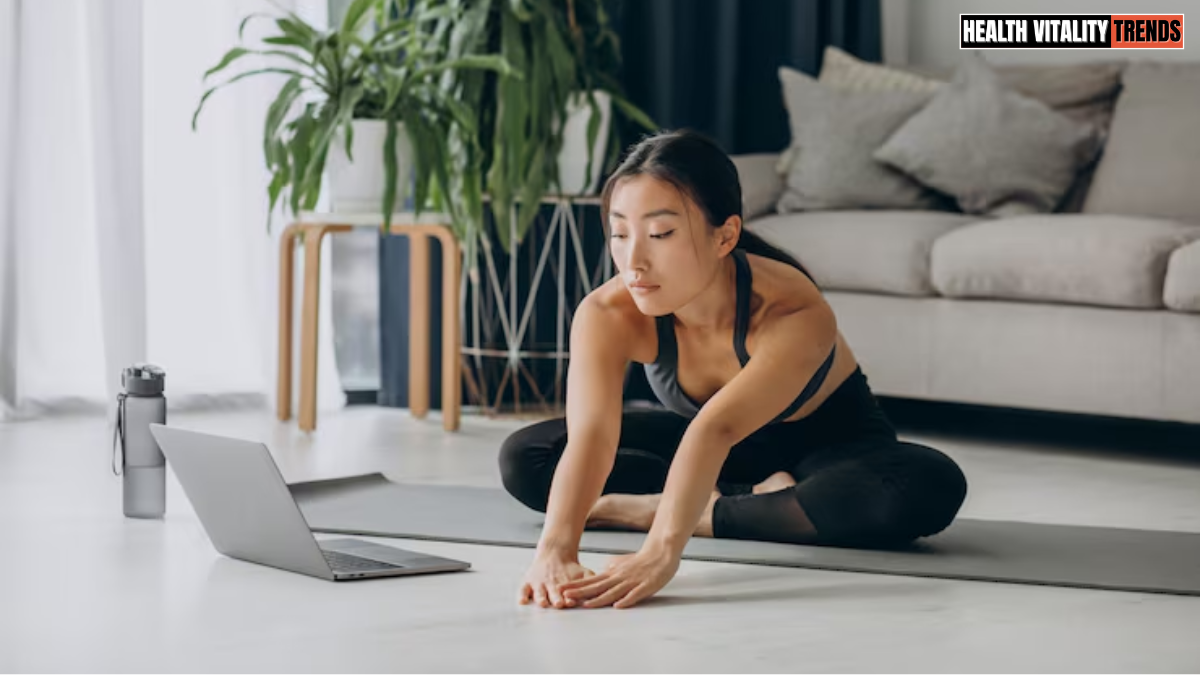
The Beginner Yoga Mistake That Can Make Practice More Difficult
If yoga feels harder than you expected, the problem may not be that you are “bad” at it.
As a personal trainer, one beginner mistake I see often is trying to force your body into the same version of a pose you see someone else doing.
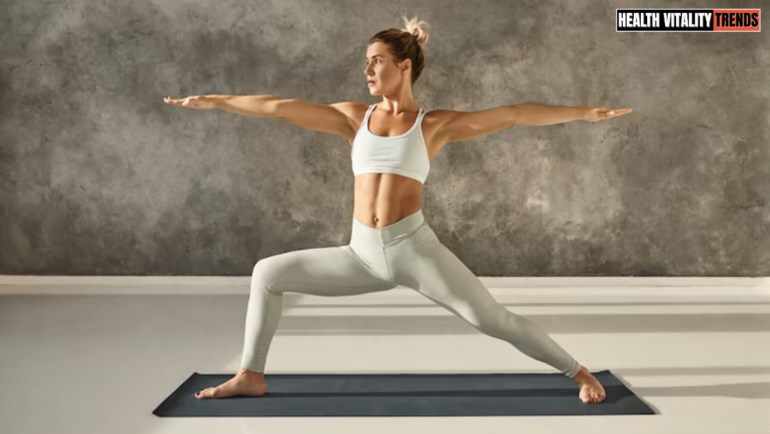
You may see a person touching their toes in a forward fold, holding a perfect Downward Dog, or balancing effortlessly in Tree Pose, and assume that is how the pose is supposed to look.
Then you push harder, hold your breath, and become frustrated when your body does not cooperate.
That approach can make yoga more difficult than it needs to be.

🟧 READ MORE
- 5 Yoga Exercises That Can Help Improve Stability After 50
- This 10-Minute Morning Yoga Flow Helps Wake Up Stiff Muscles
- These Wall Yoga Poses Can Help Improve Flexibility and Balance
Stop Treating Every Pose Like a Test
Yoga is not a competition to see who can stretch the furthest.
Your body has its own starting point. Flexibility, mobility, balance, strength, and previous injuries can all affect how a pose feels and how much range of motion is comfortable.
As a personal trainer, I would rather see a beginner perform a modified pose with control than force themselves into a deeper position they cannot comfortably maintain.
For example, you can:
- Bend your knees in a forward fold
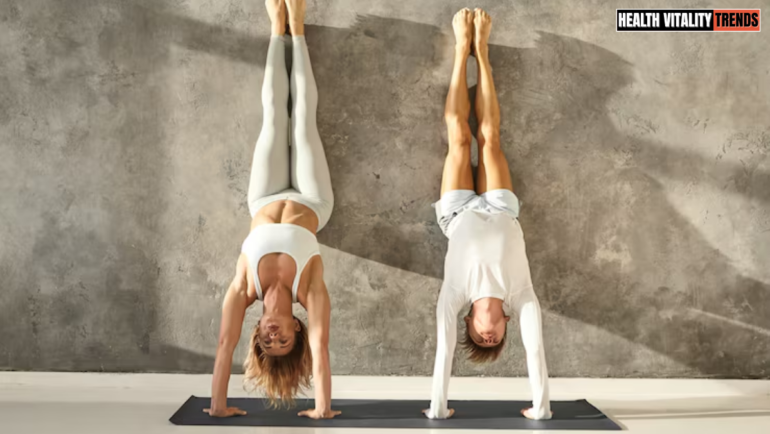
- Use a wall for balance during standing poses
- Keep your knees down during challenging transitions
- Use yoga blocks or other appropriate support
- Reduce how long you hold a pose
These are not “cheating.” They are ways to adapt the practice to your current ability.

The Better Way to Start
Instead of asking, “How far can I go?” ask yourself, “Can I control this position comfortably?”
Move slowly into a pose and pay attention to your breathing. If you are holding your breath, tensing your entire body, or feeling pain, that may be a sign to reduce the intensity or adjust the position.
You should expect some movements to feel challenging, especially when you are new. But challenging does not mean you need to force your way through discomfort.
Focus on learning the basic positions first. Over time, your mobility, balance, strength, and confidence may improve.
For more beginner-friendly movement tips and simple fitness guidance, follow our Facebook Page for practical content that makes training easier to understand.
🟧 READ MORE
- The Truth About Fasted Cardio for Fat Loss in Your 30s
- This Beginner Yoga Routine Focuses on Stability and Coordination
- Forget the Gym — These 5 Home Exercises Can Help You Build Muscle With No Equipment
Consistency Beats Intensity
You do not need a 60-minute yoga class to get started.
Even 10 to 15 minutes of regular practice can help you become more familiar with the movements.
As a personal trainer, my advice is to keep your first few weeks simple. Choose beginner-friendly poses, use support when needed, and give your body time to adapt.
The goal is to build a practice you actually want to continue.
The Bottom Line
One of the biggest mistakes beginners make is trying to perform yoga perfectly from day one.
You do not need to copy someone else’s range of motion. Start where your body is, modify poses when needed, and focus on controlled movement and comfortable breathing.
Want short, practical fitness tips and training advice every day? Join our WhatsApp Community for simple guidance on strength, mobility, flexibility, nutrition, and healthier habits.
Editor’s Note: This content is for informational and educational purposes only and is not intended to diagnose, treat, or cure any medical condition. Always consult your physician or a qualified personal trainer before starting any workout or nutrition program.