A Yoga Instructor Says These Poses Become More Important After 40
Unlike current fitness trends, yoga has existed for centuries — long before the first modern gym even opened its doors. While traditional strength training or weight training focuses on specific muscle groups, yoga challenges multiple muscles, joints, and movement patterns simultaneously, making it a practical form of exercise for people of all ages.
The reality is, not everyone exercises to build large muscles. But many people simply want to stay active, move comfortably, maintain balance, and preserve their independence as they age. This is where yoga offers its unique benefits.
With that goal in mind, certified yoga instructor Paola Pietri recently shared a 10-minute yoga routine designed for adults over 40. The session focuses on flexibility, strength, mobility, stability, and balance — which are some of the physical qualities that become important with age. According to Pietri, this routine can easily fit into one’s busy schedule and requires no more than a yoga mat.
Watch how to do Paola Pietri’s 10-minute yoga routine
You can watch Paola’s demonstration of the complete yoga routine, consisting of 10 asanas that can be done in under 10 minutes. Follow these basic guidelines:
- Always use a quality yoga mat.
- Wear comfortable clothing that allows free movement.
- Hold each position up to 1 minute with control and proper breathing.
- Avoid pushing beyond your current ability if you’re new to yoga.
🟧 READ MORE
- Cardiologists Say Simple Walking Habit May Support Better Heart Health
- A Physical Therapist Says This Quick Mobility Drill May Help Make Lunges Feel Smoother And More Stable
- A Trainer Says This Quick Balance Test Can Expose Weak Glutes And Poor Stability
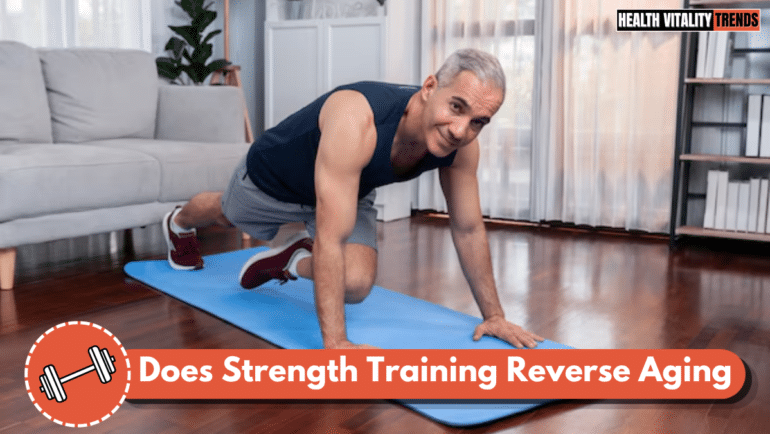
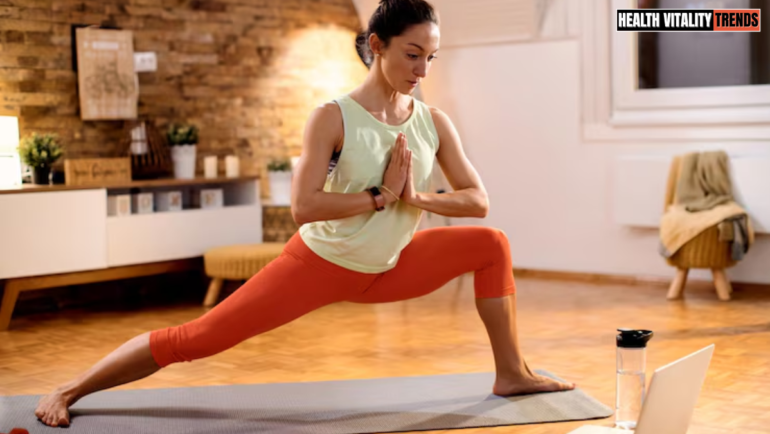
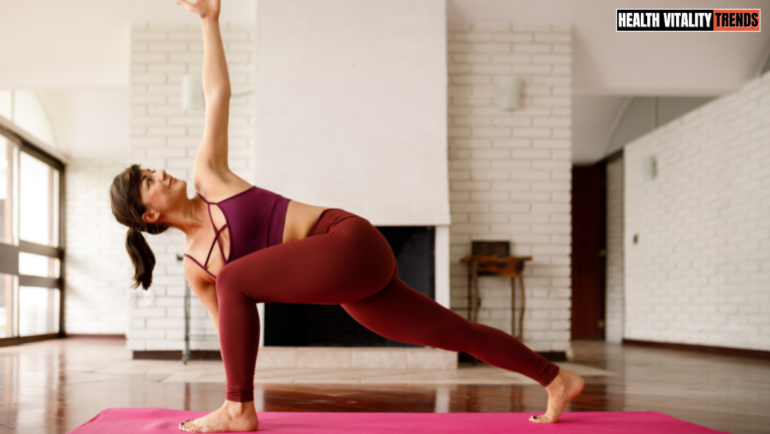
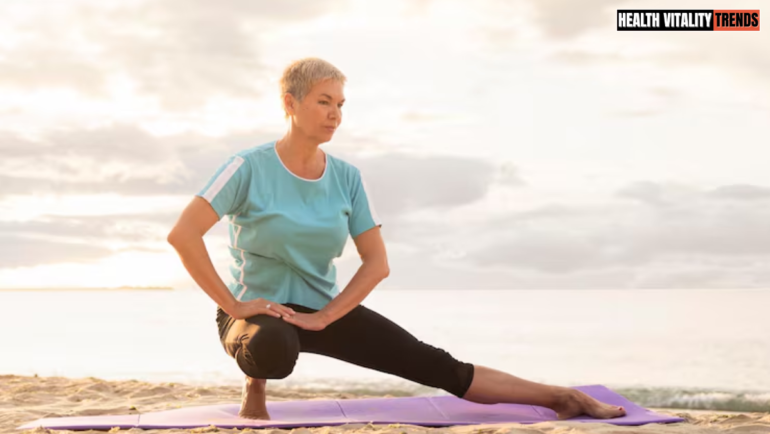
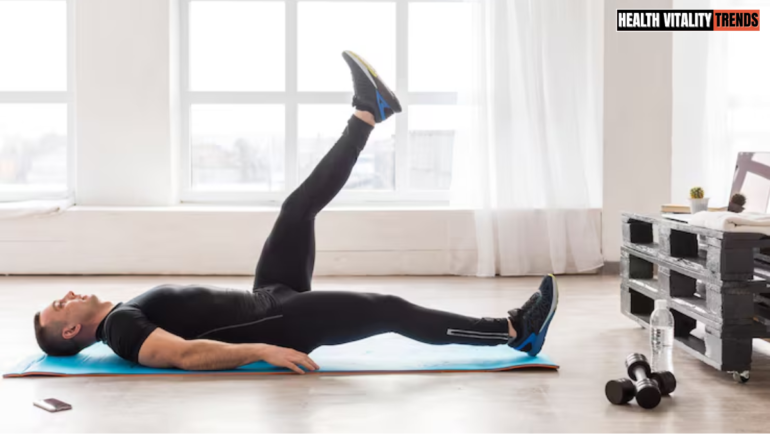
The routine consists of the following yoga asanas: Chair Pose, Low Lunges, Body Calf Raises, Side Lunges, Goddess Pose, Malasana (Yogi Squat) Pose, High Plank, Bridge Pose, Canoe Pose, and ending with Bicycle Pose. At all times, Paola mentions to make sure that you perform each pose for at least 1 minute.
Here you would experience that — unlike many high-intensity workouts, yoga emphasizes body awareness, isometric movements, breathing and posture. However, it doesn’t mean that doing yoga is less effective when compared to strength training. But it is also true that when doing yoga, it requires significant muscular engagement, particularly through the core, hips, glutes, shoulders, and legs.

What are the benefits of starting to do yoga after 40?
“Unlike strength training, which often requires several weeks of consistent practise before one can see any noticeable improvement in performance, many people may experience faster results with yoga for better mobility and flexibility,” explains certified personal trainer Aashay Edwin.
That being said, yoga and strength training are not really competitors but are parts of a broad spectrum of fitness that serve different purposes, and often work best together.
Improves Flexibility and Range of Motion
As people age, it is natural for the joints and connective tissues to become less mobile. Some research suggests that regular yoga practise may help to improve flexibility and joint range of motion, thus making everyday movements such as bending, reaching, and squatting easier.
Increases Balance and Stability
It is natural for the body’s balance to decline with age, which increases the risk of falls and injuries at older ages. Research published in the International Journal of Yoga has reported improvements in balance and posture among adults who practise yoga regularly. Therefore, yoga can be very valuable after 40.
🟧 CONTINUE READING
- This Gentle Yoga Flow Is Perfect for People Over 50
- The Core Strength Test That Reveals Weak Abs in Seconds
- The Balance Test That May Reveal Your Long-Term Mobility
Builds Strength in Key Muscle Groups
Although yoga is considered a low-impact activity — However, many poses involve isometric contraction where muscles generate force without changing length. Studies have shown that regular yoga practice can improve muscular strength and endurance, particularly in the core, legs, hips, and upper body.
Accessible for Most Fitness Levels
Another reason for yoga being so popular is that people can adapt to it at any age. Even if someone is in their 40s, 50s, 60s or more — the poses can be modified to match an individual’s fitness level.
Requires Minimal Time and Equipment
Perhaps the biggest advantage of Pietri’s routine is its simplicity. It may be true that a short 10-minute session may not replace a complete fitness program, but it can serve as an effective starting point for improving daily movement, flexibility, and overall physical function after 40.
Editor’s Note: This content is for informational and educational purposes only and is not intended to diagnose, treat, or cure any medical condition. Always consult your physician or a qualified personal trainer before starting any workout or nutrition program.