Cardiologists Say Simple Walking Habit May Support Better Heart Health
Going to the gym can help to improve muscular strength, build lean muscles, support fat loss, and improve posture at any age. These forms of exercise mainly target components of physical fitness such as muscular endurance, flexibility, body composition, and musculoskeletal strength. But when it comes to cardiovascular health, experts say your body may need a different kind of training approach.
Unlike skeletal muscles that work specifically when trained in sets and repetitions during a workout, your heart, which is made of cardiac muscle — works continuously and every second of the days. That is why maintaining cardiovascular endurance is less about intense short bursts of effort and more about building long-term consistency through sustainable physical activity.
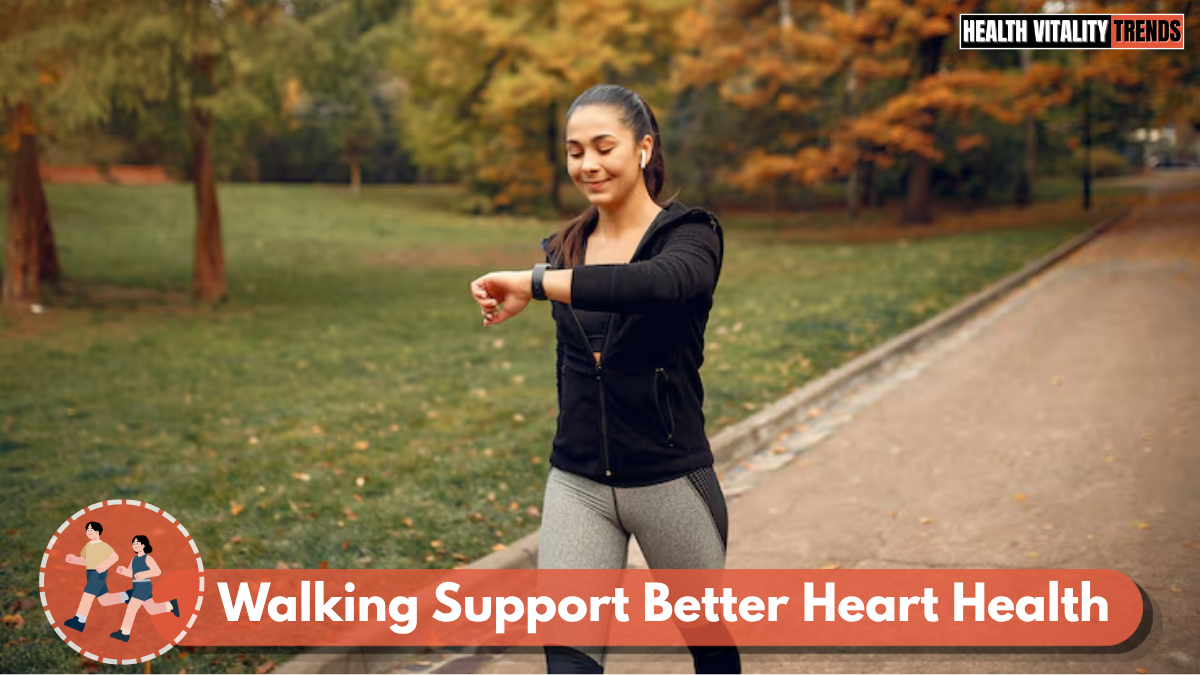
According to Dr. Anu Lala (Cardiologist, MD), one of the simplest and most effective habits for supporting heart health is “walking“. Yes, especially the brisk walking.
In a YouTube Reel shared by the Mount Sinai Health System, Dr. Lala explained that walking is one of the best low-impact forms of cardio exercise, unlike running on a treadmill or on a track. Also, it is very accessible, practical, and suitable for people of almost all ages and fitness levels.
Unlike many other exercises and workout routines that require you to have equipments, gym memberships, or technical skills to do an exercise — walking requires you to just “walk”. That’s it. You just need a comfortable space, and consistency. Thus, the simplicity of walking is the biggest reason why many cardiologists still continue to recommend it to their patients, friends, and family members.
🟧 READ MORE
- Why Strength Training in Your 60s Is More Important Than Ever
- The Explosive Exercise That Can Improve Your Athletic Power
- Building Muscle After 50 Isn’t Impossible — But Trainers Say These Things Change First
Dr. Lala also points out that, according to American Heart Association one should aim for about 150 minutes of moderate aerobic activity every week. And for this, the “brisk walking” is considered as one of the easiest and most effective ways to achieve the target.
That means, for most individuals — you have to walk around for a minimum of 30 minutes a day, and five days a week. Also, even smaller walking sessions throughout the day may help people to stay active — especially those with a sedentary and busy schedule who cannot make time to go to the gym.
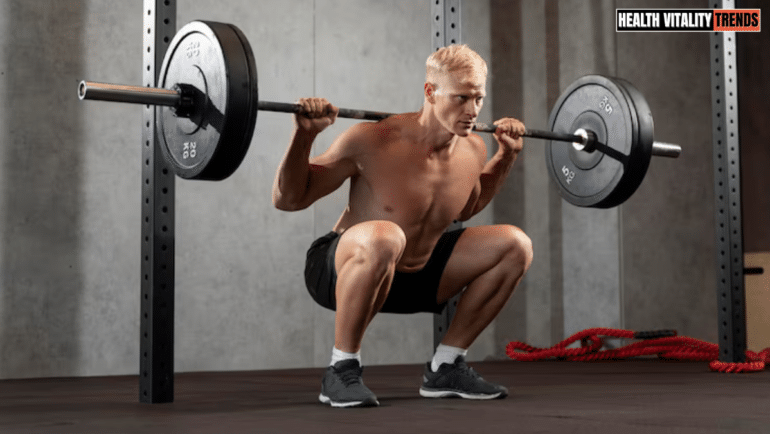
However, apart from just doing cardiovascular exercises, Dr. Lala also highlights the importance of strength training for the body. She adds that — doing strength training for at least twice a week is important for overall health and optimum physical function. While walking does support the cardiovascular system, resistance-based exercises (free weights) help to preserve muscle mass, support metabolism, and improve mobility as people age.
Another important point that she highlights is the consistency of doing physical activity. She says that – Heart health is not built from a single week of exercise. Similar to how you lose muscles when you stop strength training and eating nutritious food. Your cardiovascular fitness can also decline if you stop practising doing cardio-related exercises too.
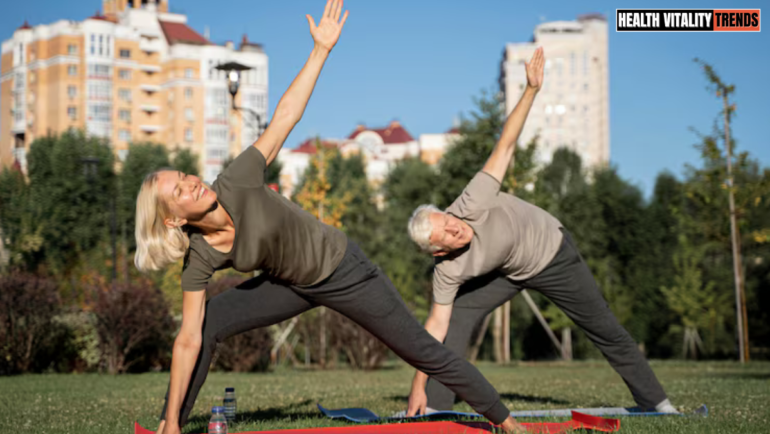
Therefore, this becomes important especially for the aging population. Reduced cardiovascular function can affect energy levels, endurance, mobility and overall quality of life. Thus, regular movement habits like walking may help people to maintain independence, and daily function for longer periods.
Concluding the point – Dr. Lala says that — Walking seems to be less effective and a light activity when compared to a high-intensity workout. But in the long run, walking is one of the most natural and practical forms of exercise for longevity. For people looking to improve their heart health without doing complicated workout routine, developing a consistent walking habit is considered one of the best physical activities to start.
Editor’s Note: This content is for informational and educational purposes only and is not intended to diagnose, treat, or cure any medical condition. Always consult your physician or a qualified personal trainer before starting any workout or nutrition program.