Fix the Weak Link in Your Stride: Why the Single-Leg Glute Bridge is Non-Negotiable
If you read our previous article on the balance test that reveals why your stride is imbalanced, you already know that running efficiently requires more than just strong legs. It requires stability on one leg at a time.
But what happens when one side of your hips struggles to maintain control?
As a certified personal trainer, I pay particular attention to glute strength and pelvic stability when assessing runners. Weakness or poor coordination around the hips can contribute to unwanted movement patterns, potentially affecting running mechanics and increasing stress on surrounding tissues.

One exercise I particularly recommend to take is the single-leg glute bridge. It is simple, requires no equipment, and helps you identify and strengthen differences between your left and right sides.
🟧 READ MORE
- If Your Hips Always Feel Tight, Try Adding These Game-Changing Stretches To Your Routine
- How to Stay Active on Your Rest Days Without Burning Out (Plus a Simple Home Yoga Flow)
Why the Single-Leg Glute Bridge Matters for Runners
Think about your regular two-legged glute bridge or squat. Both legs work together, but that doesn’t necessarily mean they contribute equally.
Your stronger side may quietly compensate for your weaker side, allowing you to complete repetitions without noticing the imbalance.
That’s where unilateral training becomes valuable.
By performing a glute bridge with one leg, you challenge each side independently. Your gluteus maximus generates hip extension, while the surrounding hip stabilizers help to maintain pelvic control.
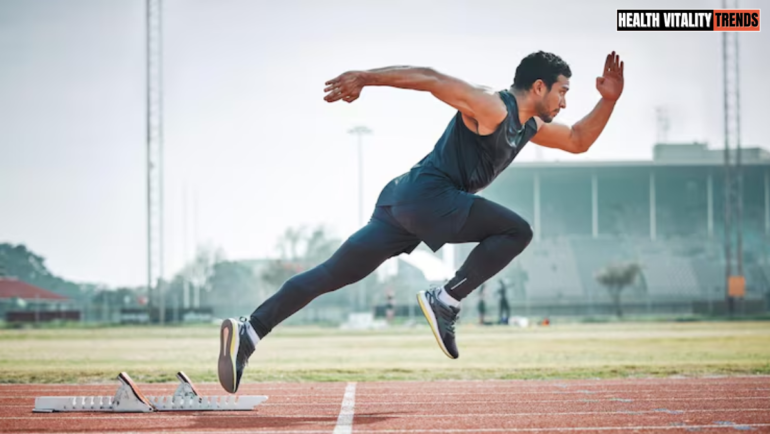
This matters for runners because every stride involves supporting your body on one leg while controlling your pelvis and lower extremity.
Better unilateral strength and coordination can help address some underlying weaknesses in your movement mechanics.
For more practical exercise assessments and personal-trainer-approved training advice, Follow our Facebook page. I regularly share simple ways to understand and improve your strength, stability, and overall fitness.
How to Perform the Single-Leg Glute Bridge
Step 1: Get into position
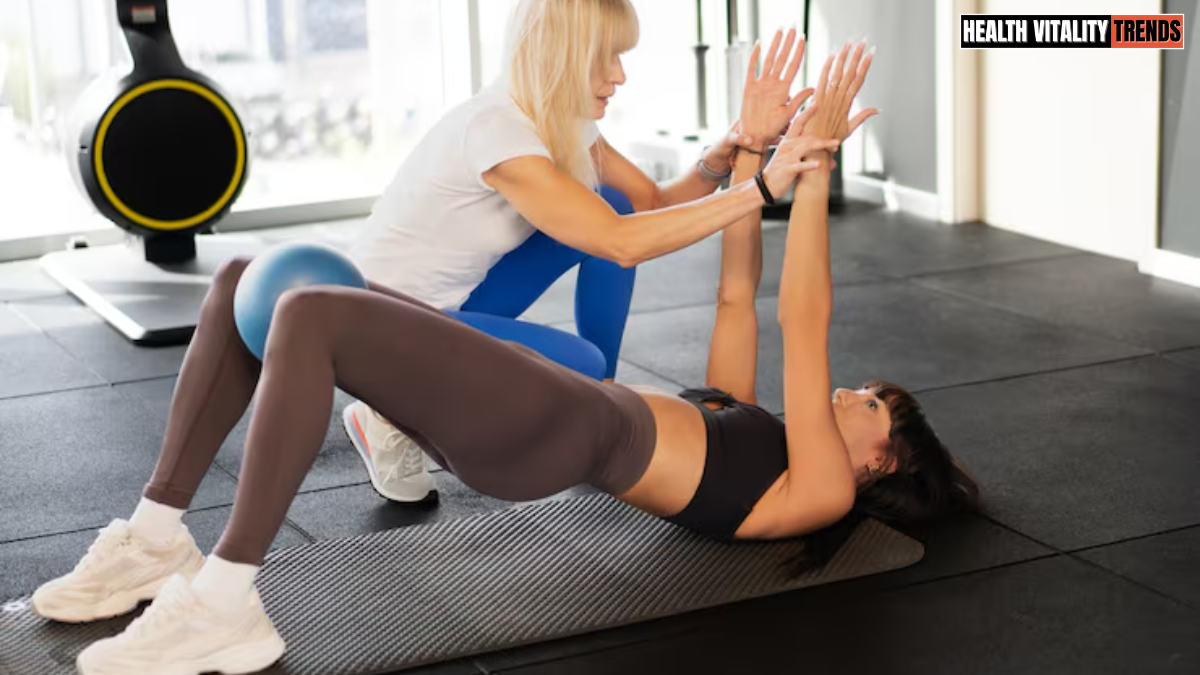
Lie on your back with your knees bent and feet flat on the floor, approximately hip-width apart. Extend one leg straight out, keeping your thighs roughly parallel.
Step 2: Lift your hips
Brace your abdominal muscles, gently tuck your pelvis, and drive through the heel of your grounded foot.
Lift your hips toward the ceiling while keeping your extended leg aligned with the opposite thigh.
Step 3: Hold and squeeze
At the top, squeeze your working glute and hold for approximately two seconds. Avoid arching your lower back to gain extra height.
Step 4: Lower with control
Slowly lower your hips toward the floor and repeat.
Your training prescription: Start with 3 sets of 10 – 12 repetitions per side. Rest as needed between sets and prioritize controlled movement over speed.
🟧 READ MORE
- Dead Bug vs. Plank: Here Is the Exact Core Exercise a Personal Trainer Recommends Above All Else
- You Can Maintain Your Physique Forever in Your 30s When These Daily Habits Back Up Your Workout
Three Signs Your Weaker Side Needs Attention
When performing this exercise, you don’t have to focus exclusively on completing repetitions. Instead, you have to observe how your body responds.
- Pelvic dropping: One side of your pelvis may sag instead of remaining relatively level.
- Lower-back arching: You may compensate by extending your lumbar spine rather than generating movement primarily through your hips.
- Hamstring cramping: Your hamstrings may become excessively involved, particularly when your glutes struggle to contribute effectively.
These observations don’t automatically diagnose glute weakness, but they can highlight areas worth improving.
If one side struggles, reduce your lifting height, practice a two-second hold, and work on maintaining pelvic control.

You can also begin with the weaker side and match its comfortable repetitions on the stronger side rather than allowing the stronger side to dominate your training.
Build a More Balanced Stride, One Side at a Time
Running performance isn’t just about increasing mileage, improving endurance, or strengthening both legs together.
It’s also about how effectively each leg supports your body independently.
The single-leg glute bridge gives you a practical way to challenge hip extension, unilateral strength, and pelvic control without complicated equipment.
Stay consistent, maintain proper technique, and gradually improve your repetitions.
Want more simple fitness tips and training advice? Join the Health Vitality Trends WhatsApp community for short daily exercise guidance, strength-training insights, and practical ways to build a stronger, more capable body.
Editor’s Note: This content is for informational and educational purposes only and is not intended to diagnose, treat, or cure any medical condition. Always consult your physician or a qualified personal trainer before starting any workout or nutrition program.