Wall Yoga Is Trending — Here Are 5 Beginner-Friendly Poses to Try
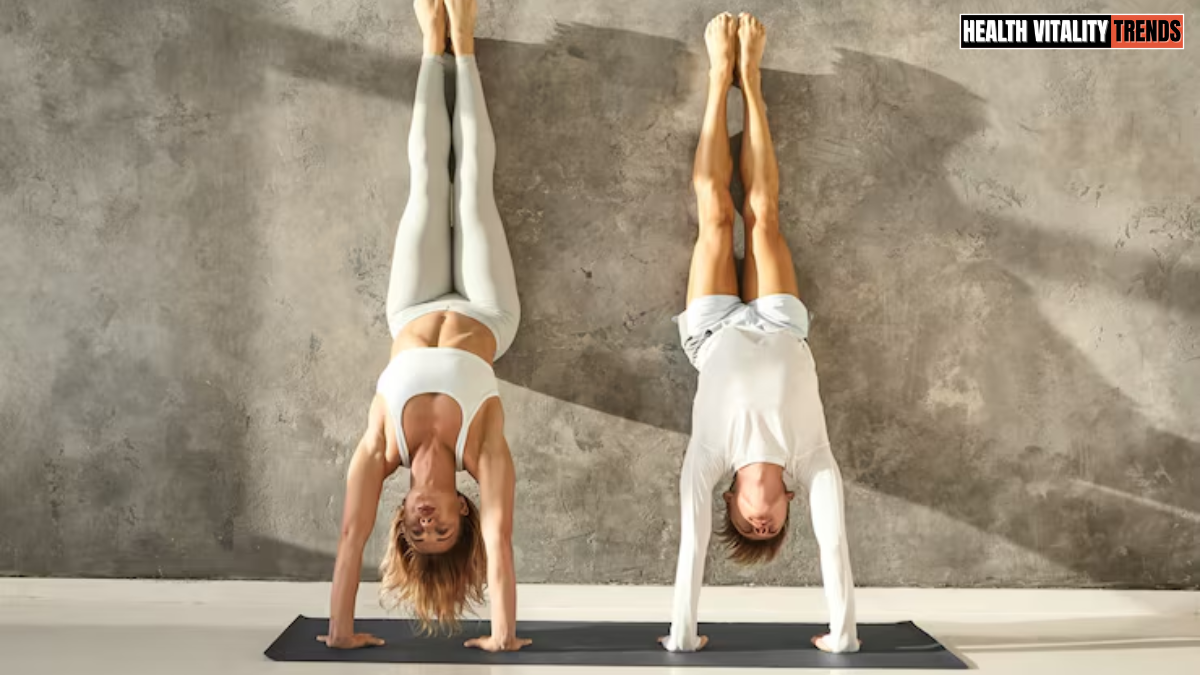
If traditional yoga poses feel intimidating, wall yoga may be an easier place to start.
Using a wall for support can help you feel more stable while practicing certain positions. As a personal trainer, I often recommend using external support when appropriate because it can help beginners focus on body awareness and controlled movement rather than worrying about losing balance.
You do not need an advanced yoga routine to get started. Here are five beginner-friendly wall yoga poses you can try.
1. Legs-Up-the-Wall Pose
This relaxing position is one of the simplest ways to start experimenting with wall yoga.
How to do it:
- Sit sideways with one hip close to the wall.
- Lower your upper body toward the floor as you swing your legs up the wall.
- Adjust your position so you feel comfortable.
- Rest your arms by your sides and relax your shoulders.
- Stay here for a few slow, comfortable breaths.
🟧 READ MORE
- Think You Need to Be Flexible for Yoga? A Teacher Sets the Record Straight
- You Might Be Overcomplicating Your Workout Routine
- Forget Gym Machines — These Free-Weight Exercises Build Functional Strength
2. Wall-Supported Downward Dog
The wall can make this familiar yoga position more accessible by allowing you to control how much weight and flexibility the movement requires.
How to do it:
- Stand facing the wall and place your hands against it at about shoulder height.
- Walk your feet backward while keeping your hands on the wall.
- Hinge at your hips and allow your torso to move toward parallel with the floor.
- Keep your arms straight and gently push your hands into the wall.
- Hold the position while taking slow, controlled breaths.
3. Wall-Supported Warrior II
This variation can provide a little extra stability while you practice the lower-body position and arm placement.
How to do it:
- Stand sideways with your back lightly against the wall.
- Step your feet wide apart and turn one foot outward.
- Bend your front knee while keeping your back leg relatively straight.
- Extend your arms out to the sides at shoulder height.
- Keep your torso tall and hold the position for a few breaths before switching sides.
4. Wall-Supported Chair Pose
Chair pose can challenge your legs, but the wall gives you a reference point that may help you feel more confident as you learn the movement.
How to do it:
- Stand with your back facing the wall and step slightly forward.
- Lean your upper back lightly against the wall.
- Bend your knees and lower your hips as if you are sitting into a chair.
- Raise your arms overhead if comfortable.
- Hold the position briefly, then slowly stand back up.
Keep the movement controlled and choose a depth that feels comfortable for your knees and hips.
🟧 READ MORE
- Why Chin-Ups Are the Best Bodyweight Biceps Exercise?
- Still Confused About the Best Time to Workout for Fat Loss? Here’s what Experts have to say
- These 10+ Bodyweight Exercises Are All You Need to Start Rebuilding Strength After 40
5. Wall-Supported Forward Fold
If reaching toward the floor feels difficult, using the wall can help you practice the hip-hinge movement without forcing your flexibility.
How to do it:
- Stand facing away from the wall, about an arm’s length away.
- Reach your hands behind you and place them against the wall.
- Slowly hinge forward from your hips while keeping a slight bend in your knees.
- Move only as far as you can comfortably control.
- Take a few slow breaths before carefully returning to standing.
Keep It Simple
You do not need to turn your living room into a yoga studio or force yourself into difficult positions to try wall yoga. Start with one or two poses, move slowly, and use the wall as support — not as something to push against aggressively.
If a pose causes pain, stop and adjust the movement. And if you have an injury or medical condition that affects your balance or movement, consider checking with a qualified healthcare professional before trying a new exercise routine.
Want simple, practical fitness advice without spending hours searching for it? Join our WhatsApp Community for short daily tips on fitness, strength and conditioning, nutrition, and healthier lifestyle habits.
Editor’s Note: This content is for informational and educational purposes only and is not intended to diagnose, treat, or cure any medical condition. Always consult your physician or a qualified personal trainer before starting any workout or nutrition program.