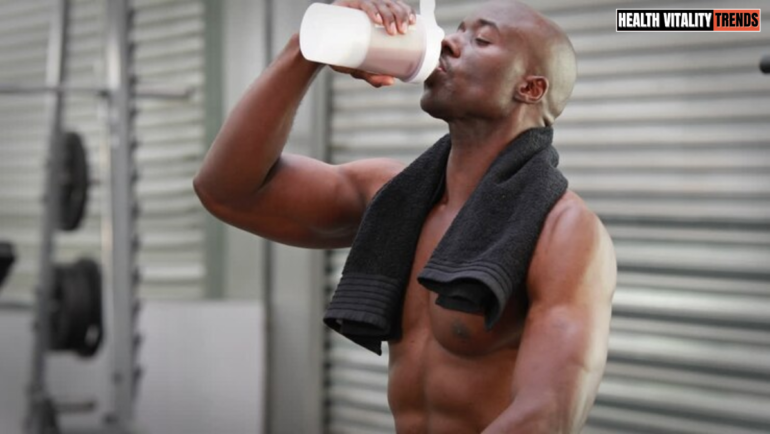
The Post-Workout Recovery Habit Many Lifters Skip
Athletes involved in strength-based sports like bodybuilding, powerlifting, and Olympic weightlifting all share one common goal, which is to – improve performance, build optimal strength, and maximize muscle growth. And to achieve this goal, most lifters focus heavily on training method, commonly known as progressive overload, which is a method that gradually increases the intensity of the training, thus forcing the body to adapt and grow stronger than before.
But according to Dan Garner, who is a Human Performance Specialist, only training and lifting heavy weights is not enough. If you want to achieve your athletic goals, what you do outside the gym for recovery matters more.
In an Instagram Reel, Dan explains 3 important R’s of optimal recovery that every weight lifting athlete should implement in their post-workout recovery routine, ‘which are Repair, Refuel, and Rehydrate,’ he says.
3 Important R’s of Optimal Recovery Explained
1. Repair
Dan highlights the need and importance of intense training – which is to damage the muscles during the training sessions, but not in the wrong way. Science says – lifting heavier weights forces your body to adapt to new stimuli, which in turn causes micro-tears in your muscles. It is only when you eat right and rest properly that your body begins to repair itself, and making your body stronger and larger.
Now, the key role here is the adaptation to this new stimulus, for which you require an adequate amount of protein in your daily diet plan, especially in your post-workout nutrition. He explains that protein is an important macronutrient which helps to repair and rebuild new muscle tissues.
🟧 READ MORE
- Electrolytes for Gym-Goers: Necessary or Just Hype?
- Magnesium for Muscle Recovery: Is It Actually Worth Taking?
- Why Potassium Matters More for Active People Than You Think
2. Refuel
As you have understood, the entire goal of training with weights is to create stimulus to improve athletic performance. Which is true. But Dan says – the other most important factor that is responsible for optimal performance and recovery is how you refuel your body.
He points out that – Glycogen, that are stored within your body, is the primary source of energy. And after you have completed your workout, the quantity of glycogen within your body gets severely depleted. And consuming enough protein post-workout will help your body with repairing and building of new muscle tissue. Therefore, you need sufficient carbohydrates post-workout in your diet along with proteins, which will help to restore glycogen in your body.
3. Rehydrate
Dan highlights that – when you do any form of physical training, it is natural for the body to sweat. Sweating is the body’s natural response to the heat generated by the working muscles to keep the body temperature under control. And if you sweat excessively, you will lose water and electrolytes at a higher rate as well.
He adds that – both water and electrolytes are important for your muscles and body to function optimally, and this is why you should keep your body hydrated both intra-workout and post-workout as well.
Final Takeaway
Dan concludes with an important note that – A right nutrition plan for your athletic goals is equal to or more important than doing intense training in the gym. Each factor plays its own designated role post workout, which are: proteins help you with repairing and building of new muscles, carbohydrates provide your body with energy by restoring glycogen, and proper hydration keeps your body at an optimal state by maintaining body temperature and preventing muscle cramps and fatigue.
Editor’s Note: This content is for informational and educational purposes only and is not intended to diagnose, treat, or cure any medical condition. Always consult your physician or a qualified personal trainer before starting any workout or nutrition program