Why Omega-3 Fatty Acids Matter for Joint and Heart Health
If there is one nutrient that I consistently recommend to people of all ages – especially those who are dealing with stiff joints and are concerned about their heart health – it is the Omega-3 Fatty Acids. The Omegas are not any quick fix nutrient for the body. Instead, they are a foundational part of how your body manages inflammation, recovery and long-term cardiovascular function.
From an exercise and training perspective, your joint health is everything. Whether you like to lift weights, run, or just want to be a physically active person, your joints have to take constant stress. It is universal that your joints have to take the additional stress from any physical activity you do.
Omega-3s, particularly EPA and DHA, play a direct role in reducing inflammation in the body. This matters a lot because most of the discomfort that you face in your joints isn’t just from the daily wear and tear – it is often driven by chronic low-grade inflammation. By improving your Omega-3 intake, you are essentially giving your joints a better internal environment to recover and function efficiently.

[Also See: Why Muscle Mass Matters More as You Enter Your 40s]
This scenario is very common with individuals who struggle daily with knee or shoulder discomfort. But once their nutrition improves, especially with consistent Omega-3 intake, you may observe better mobility, less stiffness, and smoother body movement patterns. It is not achieved overnight, but it is noticeable over time.
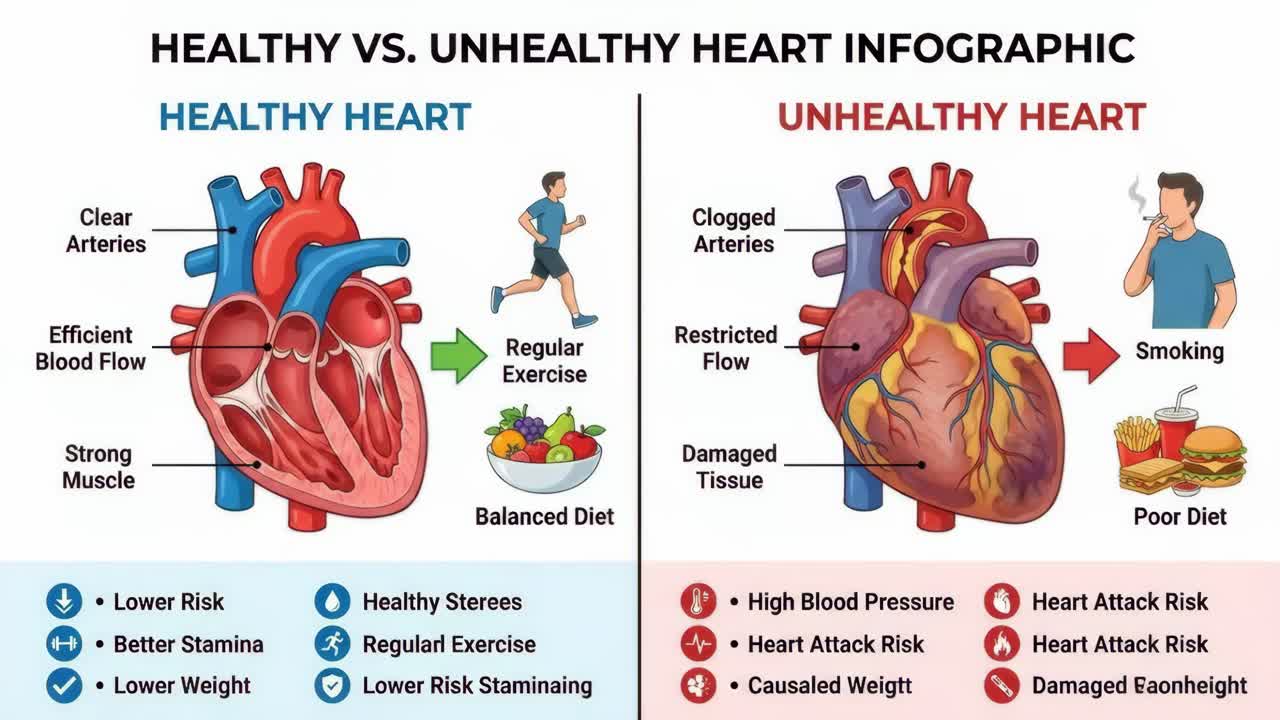
Now let’s talk about the Heart. As a CPT, I have always emphasized that fitness isn’t about how you look on the outside. To tell you honestly, it’s more about how your body performs internally. Yes, Omega-3 fatty acids support heart health by helping to lower triglyceride levels, improving blood vessel function, and even supporting a healthy heart rhythm. These are some of the critical factors of a healthy heart, whether you’re an athlete or someone just trying to stay healthy long-term.
What’s more important to understand is that Omega-3s don’t work in isolation. They help to balance out the effects of Omega-6 fatty acids, which are common in processed foods and can promote inflammation when consumed in excess. Most people who regularly consume fast foods often consume far more omega-6 than omega-3, which creates an imbalance that can impact both joint and heart health.
[Also See: This Gentle Yoga Flow Is Perfect for People Over 50]
In practical terms, getting enough Omega-3s isn’t complicated at all. Food sources like salmon, mackerel and sardines are some of the best sources of Omega-3s. If you don’t like to consume fish regularly, high-quality fish oil supplements can be a great alternative. For those who prefer a plant-based option, flaxseeds and walnuts offer ALA. Although the body converts it less efficiently into the active forms EPA and DHA.
Consistency is what makes all the difference. Taking omega-3s occasionally won’t give you the benefits you are looking for. Hence, it needs to be part of your daily routine, just like your workouts.
At the end of the day, if your goal is to move better, recover faster and support your heart for the long run, Omega-3 fatty acids are one of the simplest and most effective additions you can make in your diet. It’s not about doing more – It’s about doing what actually works.
Editor’s Note: This content is for informational and educational purposes only and is not intended to diagnose, treat, or cure any medical condition. Always consult your physician or a qualified personal trainer before starting any workout or nutrition program