What Changes in Your Diet After 50? Experts Explain
Once you enter your 50s, you will slowly begin to notice that your body doesn’t respond to food you eat the same way it did when you were in your 20s or 30s. As a fitness professional, I have seen this shift firsthand with the clients who maintain the same eating habits but struggle with energy levels, muscle loss or weight gain. Well, in this case – the reason isn’t the lifestyle – it’s physiology.
One of the biggest changes as you age is a natural decline in metabolism. Your basal metabolic rate, which is the number of calories your body burns at rest, starts to slow down. This means your body needs fewer calories, but it does not mean you need fewer nutrients. That is where most people get it wrong. They begin to eat less, but also end up under-consuming necessary proteins, vitamins & minerals.
It is very important to understand that proteins become more and more important in your 50s, 60s and at more older age. This is because of Sarcopenia, which is a age-realted loss of muscle mass. If your overall protein intake is low – your body loses muscle mass much faster – which further slows down your metabolism and reduces your body’s strength. Thus, a consistent intake of high-quality proteins supports – muscle maintenance, recovery, and overall functional strength.
[Also See: Why Muscle Mass Matters More as You Enter Your 40s]

Another key factor is how your body handles carbohydrates at an older age. Your insulin sensitivity tends to decrease with age, which means your body now – is not as efficient in managing blood sugar levels as it used to be at a younger age. This doesn’t mean that you should cut carbohydrates completely from your diet – but it means that you need to focus more on complex carbohydrates like – whole grains, vegetables, and fruits instead of refined carbohydrates. A stable blood sugar supports energy, prevents fat gain, and reduces the risk of metabolic conditions.
Your digestive health also changes. Many people begin to experience slower digestion and reduced stomach acid production. This can affect nutrient absorption, especially for nutrients like – vitamin B12, calcium, and iron. Thus, including fiber-rich foods in your diet helps to support gut health, while a balanced diet ensures that you are not missing key micronutrients.
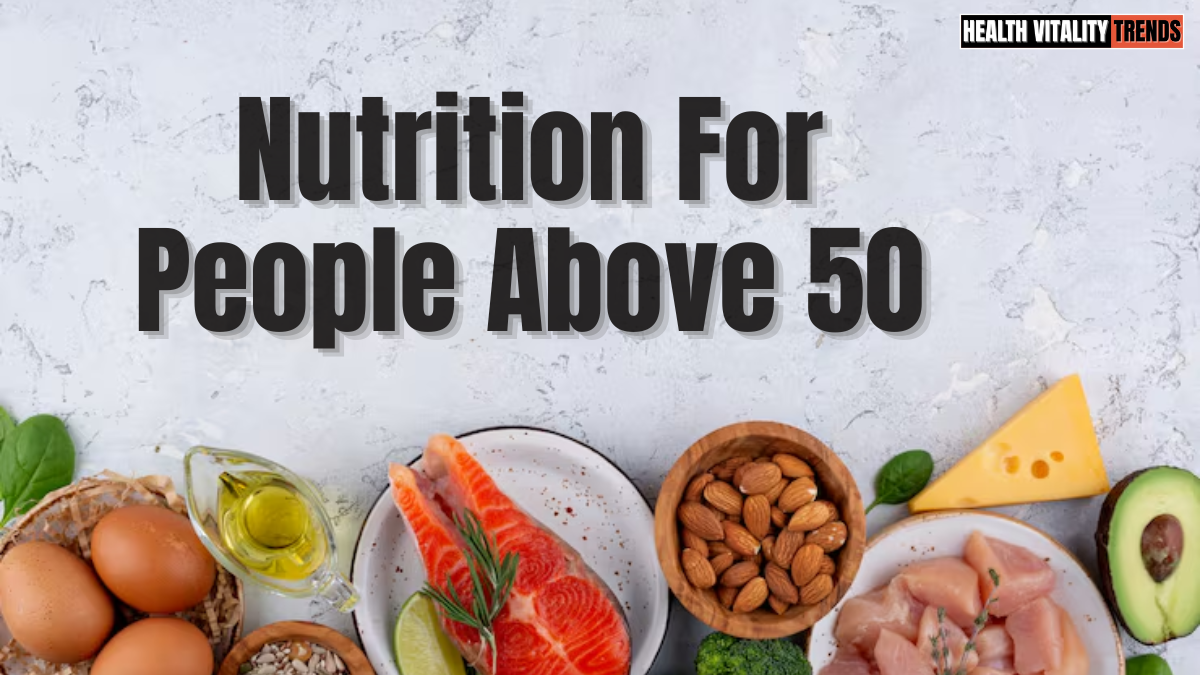
Healthy fats also become important as well. The omega-3 fatty acids, which are found in food sources like – fatty fish, walnuts, and seeds, support heart health and reduce inflammation. Since cardiovascular risk also increases with age, eating quality fats matters more than just eating lower quality fats in quantity.
[Also See: Deadlifts After 45: The Strength Benefits Many Lifters Don’t Expect]

Often, hydration is also overlooked. Since the sense of thirst also tends to decrease with age, it can lead to mild to severe dehydration. This can impact your energy levels, joint health, and even cognitive functions. Thus, staying consistently hydrated becomes a daily priority, and it’s not just something you have to do only between your workouts.
Lastly, proper nutrition for recovery also becomes important. Your body at an older age – now takes longer to recover after every physical activity, so post-workout nutrition becomes very important. And this means a diet that includes a correct proportion of protein, carbohydrates and fats – that helps to repair muscle tissues, and replenish energy stores more effectively.
Therefore, after 50 – Diet is no longer about eating less or avoiding weight gain. It’s about eating smarter. The goal shifts towards more on preserving muscles, supporting metabolic health, and maintaining long-term body functionality. When your nutrition aligns with these changes, your body responds better – not just how you look, but in how you feel and perform every day.
[Also See: Over 50? Try These 6 Simple CPT-Approved Ways to Boost Your Stamina Naturally!]
Editor’s Note: This content is for informational and educational purposes only and is not intended to diagnose, treat, or cure any medical condition. Always consult your physician or a qualified personal trainer before starting any workout or nutrition program.